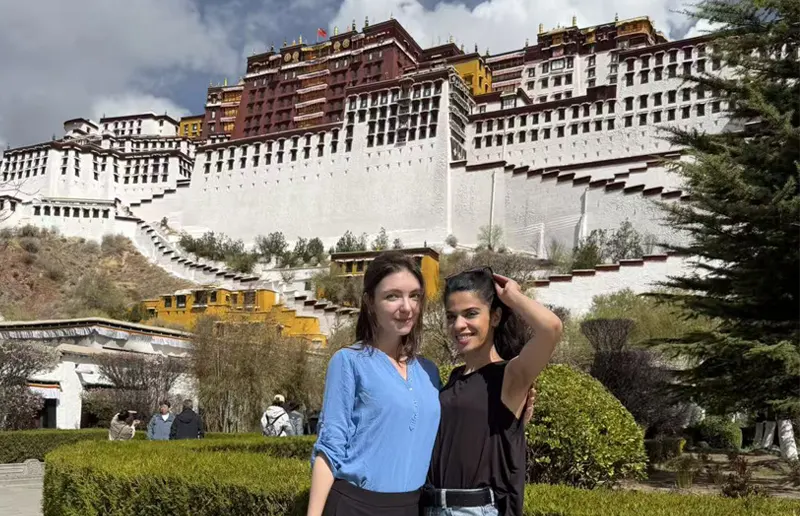
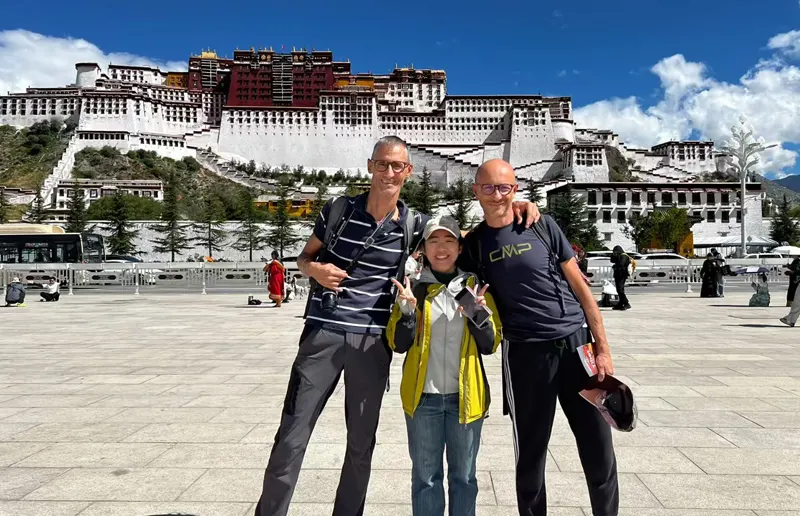
inquiry@tibettourism.com


.webp)


Tibet Tour
Tibet Horizon, a professional travel agency, has 10 years of expertise in crafting exceptional Tibet tours. We offer a variety of tour packages, from small group tours to private tours, each designed to cater to different interests and themes. Whether by road, rail, or air, and starting from various gateway cities, all our tours encompass the iconic landmarks of Tibet, promising a wonderful travel experience. Traveling with us, you can experience everything from tranquil monasteries to bustling markets, and from sacred snow-capped mountains to azure lakes, each offering a feast for the soul and the eyes.
Our services range from meticulous itinerary planning to professional guiding, comfortable accommodations, and convenient transportation. We pay attention to every detail to ensure your Tibet journey is safe and enjoyable. Recognizing the diverse expectations and needs of travelers, we provide personalized travel services. Whether you are looking for cultural exploration, natural immersion, or adventurous experiences, we have the perfect travel plan for you.
Choose Tibet Horizon to embark on your journey to Tibet, and together, let's explore this sacred and beautiful land, creating memories that will last a lifetime.
Top Tibet Tour
At Tibet Horizon, we pride ourselves on offering both small group tours and private tours that cater to a variety of preferences and budgets. Check out our top Tibet tours, all capturing the essence of Tibet while accommodating different travel styles. Whether you choose the intimacy and customization of a private tour or the shared joy and cost-effectiveness of a small group tour, we are committed to making your journey to Tibet an unforgettable experience.
-
![Lhasa Shigatse Mount Everest Small Group Tour]() Small Group Tour
Small Group Tour8 Days Lhasa Shigatse Mount Everest Small Group Tour
Promo: Once-in-a-lifetime chance to face the tallest mountain in the world
Dates & Price
![rili]()
![xiala]()
-
![Lhasa to Everest Kailash and Mansarovar Small Group Tour]() Small Group Tour
Small Group Tour15 Days Tibet Mount Kailash and Lake Mansarovar Small Group Tour
Promo: Western Tibet tour around Mount Kailash
Dates & Price
![rili]()
![xiala]()
-
![Lhasa Shigatse Everest Base Camp Namtso Small Group Tour]() Small Group Tour
Small Group Tour9 Days Lhasa Shigatse Everest Base Camp Namtso Small Group Tour
Promo: Unveil the profound spirituality and natural beauty that lie within the heart of Tibet.
Dates & Price
![rili]()
![xiala]()
.webp)


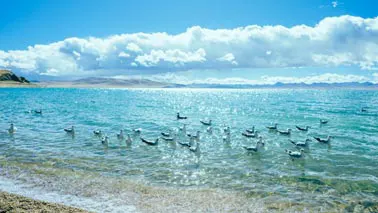
Tibet Tour by Destination
Browse our destination-based Tibet tour collection to target your ideal highland highlights. Whether you long for Lhasa’s sacred pilgrimage sites, Everest peak’s mighty north face, Kailash Parvat’s holy kora trails or Nyingchi’s gentle valley scenery, every package is built around core regional attractions. Each destination delivers distinct landscapes and spiritual heritage. Pick your dream destination and we tailor driving routes, accommodation and permits for your overseas group or private trip for a smooth, well-rounded plateau journey.




Tibet Tour by Travel Style
Different travel styles bring totally different plateau experiences. We cover classic slow rail journeys, quick time-saving flight arrivals, scenic overland drives and multiple adventure options including self-drive, motorcycle, biking and high-altitude trekking. Every travel mode comes with unique scenery and physical demands. Select your preferred way to move across Tibet, and we match suitable vehicles, experienced guides and reasonable rest schedules for your comfort and safety throughout your trip.


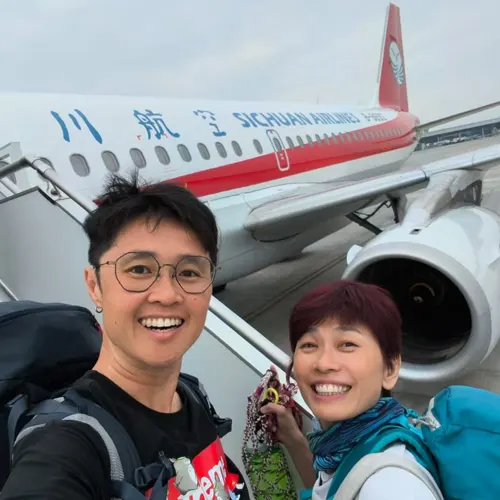


Tibet Tour by Festival
Tibet’s calendar is filled with vivid religious and folk festivals steeped in local traditions. Our festival-focused tours time your visit perfectly for Tibetan New Year, Shoton Yogurt Festival, Saga Dawa and Nyingchi peach blossom events. You get front-row access to ceremonial rituals, lively local gatherings and time-honoured festive customs that you cannot see on ordinary sightseeing itineraries. Immerse yourself in authentic Tibetan culture with our carefully scheduled festival tour arrangements.

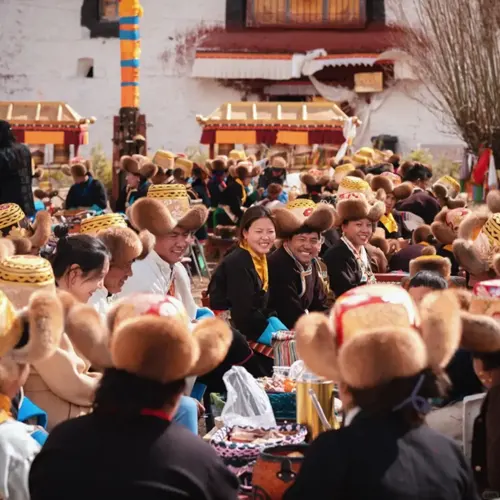


Tibet Tour by Theme
Our theme-oriented tour series cater to varied traveler profiles and special personal interests. Choose from culture-focused, winter off-season, pure nature, luxury, Tibetan village-visit or photography-specialized trips. We also design dedicated itineraries for families, seniors, solo visitors, students, honeymoon couples and expats living in China. Every theme comes with adjusted sightseeing pace, activity selection and service details to fit your travel expectations and physical conditions.


Tibet Tour by Month
Tibet shows completely different charms month by month across the whole calendar year. Our monthly-based tour guides sort out key practical information including temperature, rainfall, mountain visibility, road conditions, peak-and off-season prices and important festival notes for every month from January to December. You can easily weigh up pros and cons of each travel window and pick your ideal departure month according to local weather and the sights you most hope to experience.
Tibet Tour by Day
We offer rich itineraries spanning short 4-day Lhasa city breaks all the way to extended 16-day cross-plateau expeditions. Brief tours focus tightly on Lhasa cultural highlights; medium-length packages cover classic highlights such as EBC and Yamdrok Lake, while long-range itineraries include remote Ngari and challenging Kailash trekking. Simply match your tour length to your available vacation time, personal stamina and core travel goals for a satisfying Tibet adventure.
Tibet Tour from Gateway Cities
Most international visitors first get to major Chinese mainland gateway cities before heading onward to Tibet. From Beijing, Shanghai, Guangzhou, Chengdu, Chongqing, Xi’an and other major transport hubs, you can take either connecting flights or the iconic Qinghai-Tibet train toward Lhasa. We arrange practical combined multi-city travel plans, seamlessly linking these gateway stopovers with your full Tibet plateau adventure for overseas guests.
Tibet Tour from Countries
Travelers come to Tibet from all corners of the world with varied entry routes and travel backgrounds. You may enter Tibet via Chinese mainland’s airports and railway stations, or take the direct Kathmandu-Lhasa flight or Gyirong overland border crossing originating from Nepal. Our team provides useful visa hints, border document preparation support and smooth transfer connections for overseas visitors starting their journey from different countries worldwide.
- Tibet Tour from Singapore
- Tibet Tour from Malaysia
- Tibet Tour from Canada
- Tibet Tour from the United States
- Tibet Tour from the United Kingdom
- Tibet Tour from Germany
- Tibet Tour from Australia
- Tibet Tour from Japan
- Tibet Tour from Russia
- Tibet Tour from Spain
- Tibet Tour from Italy
- Tibet Tour from France
- Tibet Tour from Vietnam
- Tibet Tour from Thailand
- Tibet Tour from Brazil
- Tibet Tour from Bangladesh
- Tibet Tour from Switzerland
- Tibet Tour from Norway
- Tibet Tour from Myanmar
- Tibet Tour from Laos
- Tibet Bhutan Tour
FAQs on Tibet Tour
The answer is yes, absolutely. Tibet has good public security and its people are warm and honest, so traveling to Tibet is safe for tourists, especially when you're with a professional and responsible tour agency like Tibet Horizon. We prioritize the safety and well-being of our travelers by ensuring all necessary precautions are in place. This includes providing well-maintained vehicles, experienced drivers, and knowledgeable guides who are familiar with local conditions. Additionally, we adhere to all local regulations and health guidelines to ensure a secure travel experience.
2. How to get to Tibet?To reach Tibet, there are various options available.
Get to Tibet from the Chinese Mainland
By Train: Several cities offer direct trains to Lhasa, such as Beijing, Shanghai, Guangzhou, Chongqing, Chengdu, Xi’an, Lanzhou and Xining. The Qinghai-Tibet Railway, in particular, is a popular choice, offering scenic views of the plateau.
By Flight: Direct flights to Lhasa are available from major cities like Chengdu, Chongqing, and Xining. Chengdu, for example, has the most frequent flights to Lhasa, with the shortest flight time being approximately 2 hours and 10 minutes.
By Road: Overland journeys can be made via the China National Highways G318 from Sichuan, G214 from Yunnan, or G219 from Xinjiang. These routes provide a more immersive experience of the diverse landscapes and cultures along the way.
Get to Tibet from Kathmandu, Nepal
By Flight: The only international flight to Lhasa is from Kathmandu, Nepal. The flight takes about 1 hour and 30 minutes, and it's a convenient option for travelers coming from South Asia.
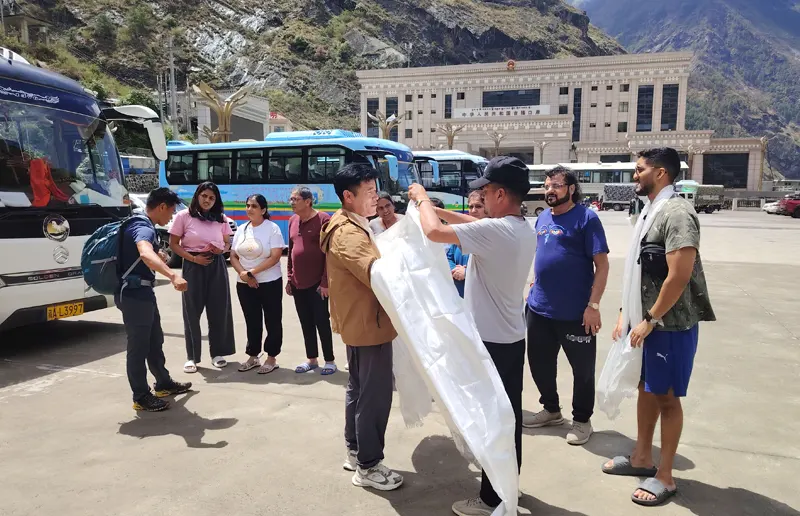
By Road: Driving from Kathmandu to Tibet via Gyirong Port is a popular choice. Tourists can easily reach the holy grounds of Kailash Mansarovar and then venture to EBC, Shigatse and Lhasa.
Notice: Since Gyirong Port has been destroyed, we suggest you to fly from Kathmandu to Lhasa.
3. What is the best time to visit Tibet?The best time to visit Tibet is generally from April to June and from September to October. During these months, the weather is relatively stable, with clear skies and mild temperatures, making it ideal for enjoying the stunning views in Tibet. Also, you can experience the grand Saga Dawa Festival in May. In summer, the weather may be rainy, but tourists can witness the celebration of Shoton Festival. In winter, Tibet is not so cold as you think. You can enjoy a lower cost of transportation and accommodation and feel less crowded as there are fewer tourists. Also, Losar, the Tibetan New Year, often falls in February or March.
4. What permits are needed to travel Tibet?Permits needed for foreign travelers:
Tibet Travel Permit issued by the Tibet Tourism Bureau (TTB) is mandatory for all foreign travelers entering Tibet.
As per latest official notices, Aliens’ Travel Permit is no longer required for visiting EBC, Gyirong border route, Basumtso Lake, Samye Monastery and classic G318 itineraries. Only Ngari region (Mount Kailash & Lake Mansarovar) still requires both Aliens’ Travel Permit plus Military Area Entry Permit. For routes extending beyond standard G318 sightseeing spots, please consult our team for permit confirmation.
Permits needed for residents in Taiwan:
Traveler from Taiwan must join an organized Tibet tour of a qualified Tibet travel agency and possess necessary documents and permits.
1) Taiwan Compatriot Permit: Taiwan residents should hold a valid "Taiwan Compatriot Permit" or "Taiwan Resident Permit for Traveling to Chinese Mainland (台胞证)" (known as "Taiwan Travel Permit" or "Taiwan Compatriot Certificate").
2) Tibet Travel Permit: You need to apply for the Tibet Travel Permit to board flights or trains to Tibet. Taiwan Compatriot Certificate, passport, and phone number are needed when applying for the permit.
3) Tibet Border Permit: To visit places like Tingri in Shigatse, Cuona County in Shannan Prefecture, and Nagri Prefecture, you may need a Tibet Border Permit.
4) Military Area Entry Permit: Travelers from Taiwan traveling to restricted areas like Mount Kailash and Lake Mansarovar or traveling along G318 Highway, need to apply for a Military Area Entry Permit.
Permits needed for residents in Hong Kong and Macau:
Hong Kong and Macau residents can independently travel to Tibet with a Chinese SAR passport and a Mainland Travel Permit for Hong Kong and Macau Residents (港澳同胞回乡证/港澳居民来往内地通行证). You’ll also need a Tibet Border Permit to visit certain restricted places in Tibet.
Tibet Travel Permit, Aliens’ Travel Permit, Military Area Entry Permit, Tibet Border Permit, and other necessary travel documents cannot be applied by tourists by themselves but can only be applied by a qualified travel agency. Our Tibet tour packages include Tibet Travel Permit and all the necessary Tibet travel documents. If you book with us, we’ll help apply for the permits needed to ensure a smooth and worry-free Tibet tour.
5. What are the top attractions in Tibet?Tibet is blessed with multiple attractions, from awe-inspiring natural landscapes and architectural wonders.
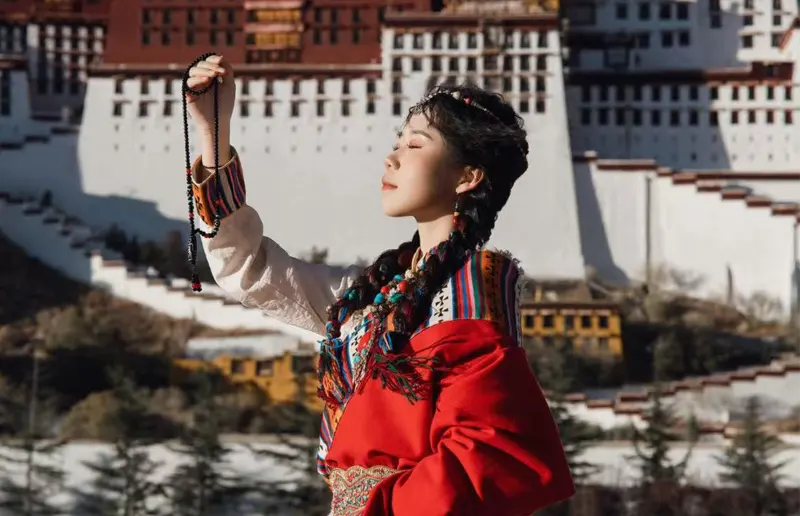
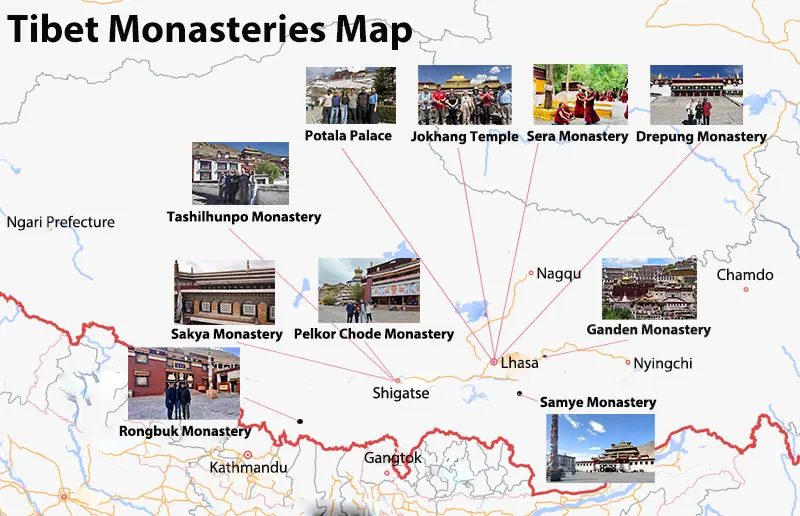
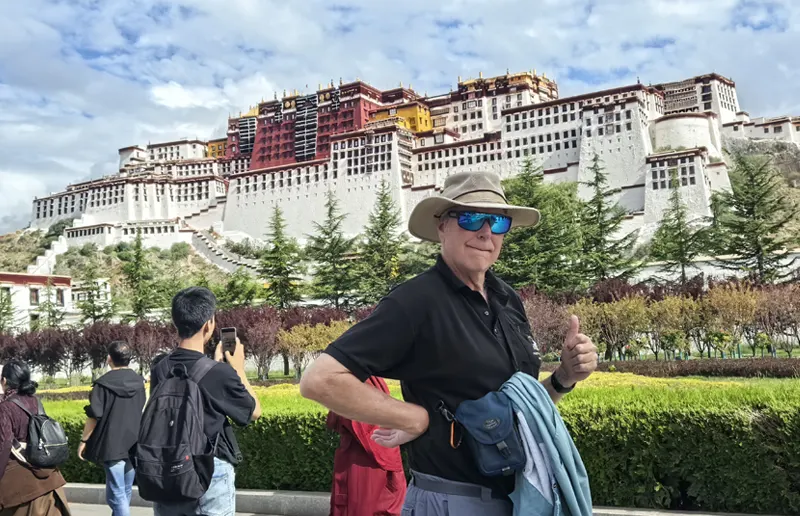
1) Potala Palace: This iconic complex offers a wealth of history and culture, making it a centerpiece of any Tibet tour.
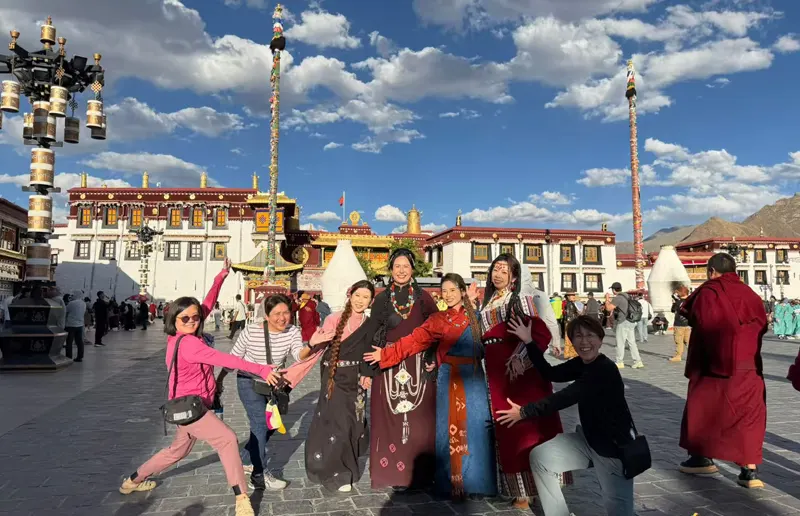
2) Jokhang Temple: Located in the old town of Lhasa, this temple is one of the most sacred and important monasteries in Tibetan Buddhism.
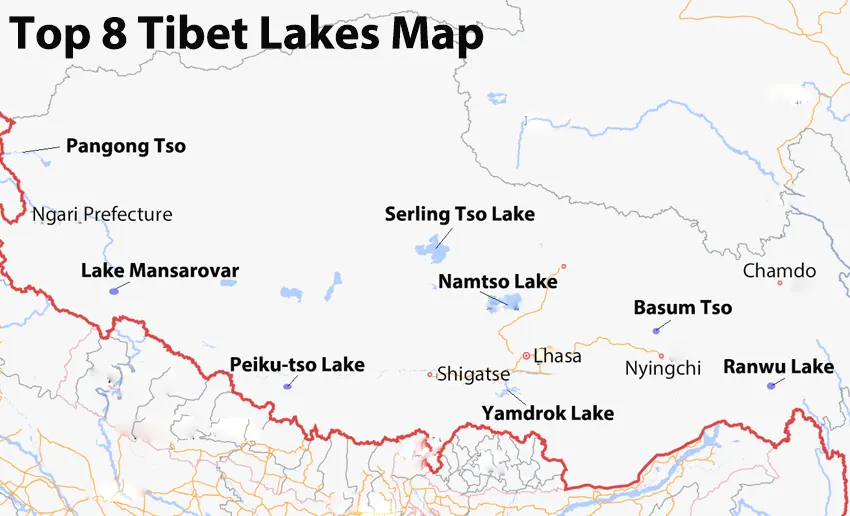
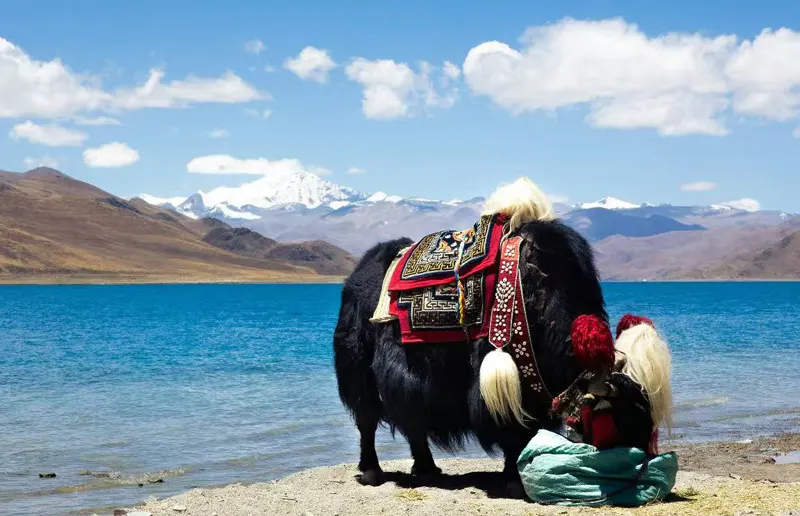
3) Yamdrok Lake: Known as one of Tibet's three holy lakes, Yamdrok Lake's azure waters and surrounding mountain scenery are not to be missed.
4) Namtso Lake: As the second-largest lake in Tibet, Namtso is revered for its breathtaking views and spiritual significance.
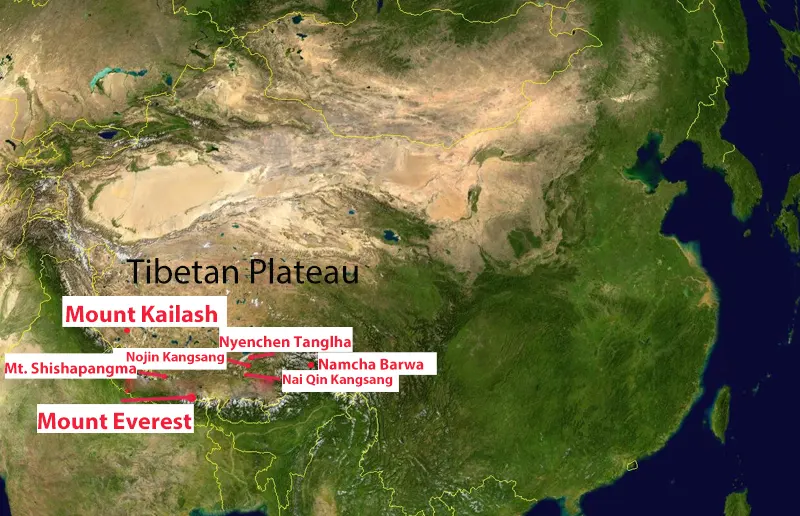
5) Everest Base Camp: For adventure seekers, a visit to the base camp of the world's highest peak, Mount Everest, is an unforgettable experience.
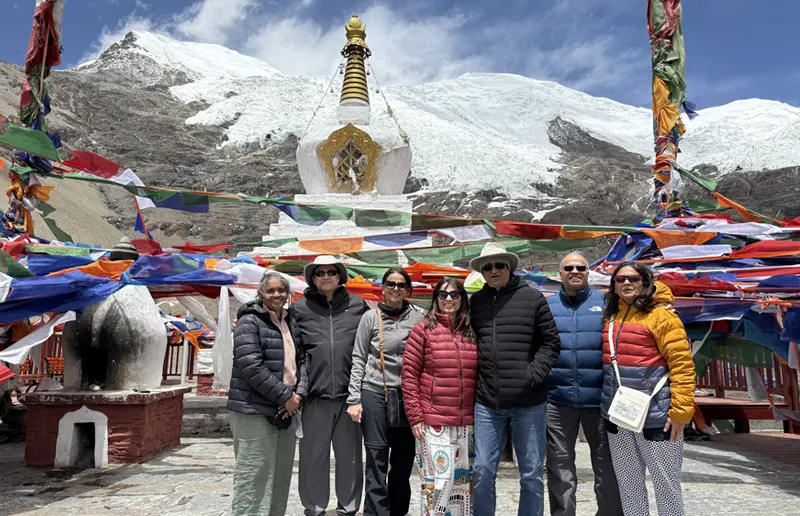
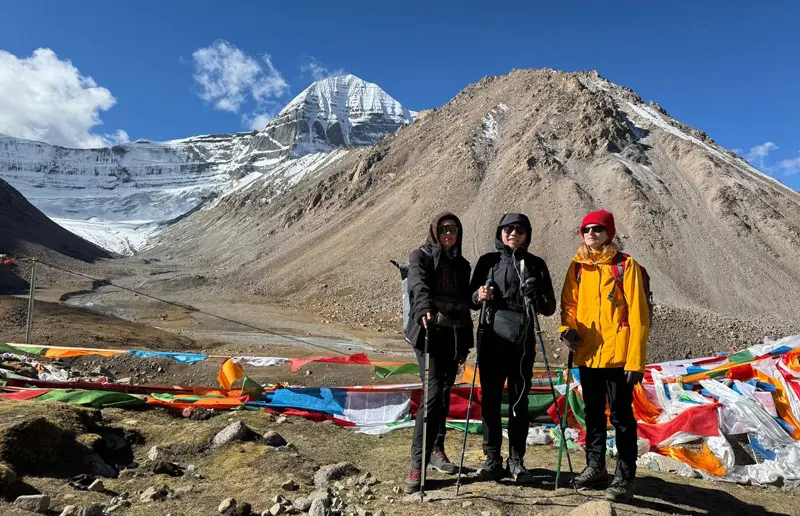
6) Mount Kailash: Considered the spiritual center of the world by several religions, this sacred mountain is a site of pilgrimage for believers.
7) Lake Mansarovar: Revered as a sacred site by pilgrims, Lake Mansarovar reflects the divine harmony of Mount Kailash like a mirror of the heaven.
8) Guge Kingdom Ruins: Nestled in the remote yet breathtaking landscapes, it stands as a testament of a once-thriving civilization, where ancient murals and sculptures whisper tales of the lost kingdom.
9) Nyingchi Peach Blossom Valleys: Each spring, the Nyingchi region blooms with peach blossoms, creating a pink paradise that draws visitors from around the globe.
When planning a trip to Tibet, remember that due to its unique geographical location and cultural background, travelers are required to book their tours through registered travel agencies and must have the appropriate travel permits to enter.
6. What about the accommodation in Tibet?Major Tibetan cities like Lhasa, Shigatse, and Nyingchi offer more diverse options from 3-to 5-star hotels to local guesthouses. They provide basic to luxury facilities, all ensuring a comfortable stay. For private travelers, you can choose according to your standards. However, in remote areas like EBC and Mt. Kailash, only cozy tents and guesthouses are available.
7. What about the food during Tibet tours?We have handpicked restaurants with food safety guarantees for our clients. You can enjoy unique Tibetan, Sichuan, Nepali, and Indian cuisines along the way. Specialties include yak hotpot, sweet tea, butter tea, roasted pig, tsampa, barley wine, stone pot chicken and spicy diced chicken. Nepali and Indian dishes feature chicken masala and various curries. You can also find Indian dishes in Tibet. Also, if you have any special dietary requirements, please keep our guides informed and they will help you check food composition when you order dishes.
8. How long does a Tibet tour take?The duration of your Tibet tour from Chinese cities or Kathmandu, Nepal can vary based on your preferred travel mode and the regions you wish to visit. We have varied packages with durations ranging from 3-30 days. For the classic Lhasa-Shigatse-EBC route, the tour typically takes 8 days. If you want an immersive experience or a trek around Mt. Kailash, prepare for at least 10 days. For a shorter duration, you can choose a Lhasa city tour. It’s recommended to take a longer trip for a more in-depth experience if you have enough time. Besides, if you choose to take a train or drive to Tibet, your journey will typically last longer than a flight tour.
9. How much does a Tibet tour cost?The cost of a Tibet tour depends on several factors, including the length of the tour, the type of accommodation, the mode of transportation, and the specific services included. Our tour packages are designed to cater to a range of budgets, from budget-friendly options to more luxurious experiences. The cost also includes travel permits, accommodations, transportation, and guided tours. For the most accurate pricing, it's best to contact us with your specific travel plans, and we can provide a detailed quote based on your preferences and requirements.
10. How to deal with possible altitude sickness?Traveling on the Tibet Plateau with an average altitude of over 4,000 meters, it’s common for some tourists to experience altitude sickness. The symptoms of altitude sickness can include headache, nausea, and dizziness. To minimize the effect of altitude sickness, it is important to allow time to acclimate to the high altitude and to take precautions to prevent altitude sickness. Travelers should drink plenty of water, eat light meals, and avoid alcohol or caffeine. It is also recommended to take a slow path in the first two days after entering Tibet, avoiding strenuous activities like running. If you feel uncomfortable, tell your guide. We have prepared oxygen tanks in our vehicles. You can inhale oxygen and take medication when necessary. If symptoms of altitude sickness persist or worsen, we’ll help transfer you to the hotel or hospital to seek medical attention immediately.
11. Can I travel independently without joining a tour group in Tibet?Foreign visitors cannot travel independently across Tibet. You must book an organized tour through a registered local agency such as Tibet Horizon. We will arrange guides, transportation and apply for all required permits for you. You are not allowed to travel around Tibet on your own even if you hold a valid Chinese visa.
12. Is Wi-Fi and mobile internet widely available in Tibet?Stable Wi-Fi is accessible in most hotels and restaurants in Lhasa, Shigatse and Nyingchi. However, remote spots such as Everest Base Camp and Kailash offer very limited or no mobile signal. We suggest downloading offline maps and important translation materials before heading to high-altitude remote regions. We recommend that you buy a e-SIM card before traveling to Tibet.