
 inquiry@tibettourism.com


.webp)


Tibetan Monks: Daily Prayer Life & Complete Tibet Tour Guide


.webp) Content
ContentTibetan monks, with their unique daily spiritual routines, are vital inheritors of Tibet's traditional religious culture. For travelers exploring Lhasa or beyond, their mysterious daily life is often the most captivating part of the journey. This guide unveils authentic prayer rituals while serving as a comprehensive monastery tour companion. You'll learn insider etiquette, discover sacred ceremonies, and gain practical travel tips to plan a meaningful Tibet tour.
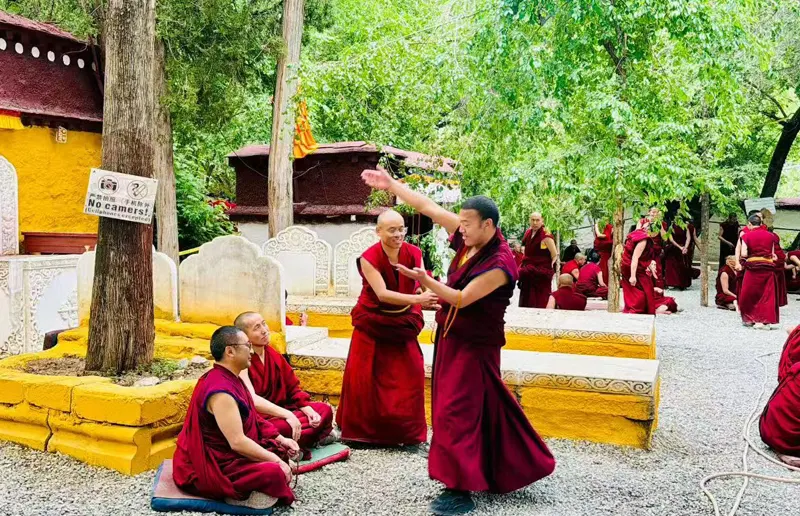 Tibetan Monks
What Is the Real Daily Prayer Life of Tibetan Monks?
The daily prayer life of Tibetan monks is the core of their spiritual practice. It follows fixed traditions, includes regular rituals, and connects faith, study, and daily life. The following section explores the authentic prayer routines, habits, and rules of Tibetan monks within the monasteries.
1) What Is the Exact Daily Schedule of Tibetan Monks in Monasteries?
The daily schedule of Tibetan monks in monasteries is precise and demanding, leaving little room for idleness. Most monks rise at 4:00 AM or 5:00 AM for personal meditation and chanting before the communal morning prayer assembly begins at sunrise. From 6:00 to 8:00 AM, the entire monastery gathers for group sutra recitations and ritual offerings. The late morning is dedicated to monastic education — studying Buddhist philosophy, logic, and scripture under senior teachers. After a simple lunch break, afternoons are split between debate sessions (often starting around 2:00 PM) and performing ritual duties such as preparing butter lamps or maintaining monastery grounds. Evenings bring more prayer and self-study, with lights usually out by 10:00 PM. This tightly scheduled routine ensures that every moment is used for spiritual cultivation, making the monastery both a school and a sanctuary.
2) What Common Prayer Rituals Do Tibetan Monks Follow Every Day?
Tibetan monks observe a variety of daily prayer rituals, each carrying deep symbolic meaning. The most common is the morning puja (prayer ceremony), where monks chant sutras in unison, accompanied by traditional instruments like bells, drums, and long horns. Another universal ritual is the offering of butter lamps — lit before dawn to symbolize the dispelling of ignorance with wisdom. Monks also perform kora, walking clockwise around stupas, shrines, or sacred mountains while reciting prayers. Daily water bowl offerings are made on altars, representing purity and generosity. Additionally, many monks participate in tsok (feast offerings) on specific lunar days, involving ritual food distribution and collective chanting. These rituals are repeated regularly in monastery life and help monks maintain devotion.
3) What Mantras and Prayer Tools Do Tibetan Monks Use for Daily Worship?
Tibetan monks use classic mantras and traditional prayer tools in daily worship. Common tools include prayer wheels, malas (prayer beads), and sacred texts. Mantras are recited softly or aloud during personal and group prayer time.
4) How Do Tibetan Monks Combine Prayer, Study and Daily Life?
For Tibetan monks, prayer, study and daily life blend seamlessly together. Prayer calms their minds and guides all daily activities. They learn Buddhist scriptures and debate doctrines to deepen spiritual faith. Even routine chores are done with focused mindfulness and mantra chanting, turning ordinary work into spiritual practice. Monks maintain a compassionate and mindful state in everything they do, erasing the line between religious practice and daily life. This integrated lifestyle shows unique spiritual wisdom, which is well worth learning from for travelers.
What Are the Core Religious Customs of Tibetan Monks You Need to Know?
Understanding the core religious customs of Tibetan monks helps travelers respect local traditions and enjoy a meaningful Tibet tour. These customs include important seasonal ceremonies, daily prayer rules, and basic taboos that keep monastery visits polite and appropriate.
1) What Important Seasonal Prayer Ceremonies Do Tibetan Monks Hold?
Tibetan monks hold several key seasonal prayer ceremonies each year. Major events are as follows:
The Monlam Festival (Great Prayer Festival) is one of the most important religious festivals in Tibetan Buddhism. During the festival, thousands of Tibetan monks gather to chant scriptures, offer prayers, and perform sacred rituals for peace and prosperity. It is a unique opportunity to experience Tibet's vibrant Buddhist traditions and spiritual atmosphere.
The Saga Dawa Festival occurs in the fourth lunar month, typically May or June. This month is considered the holiest of the year because it marks the Buddha's birth, enlightenment, and death. Monks perform continuous prayers, circumambulate sacred sites, and release animals as acts of compassion.
The Ganden Ngamchoe is held in the tenth lunar month, around November or December. It honors the passing of Je Tsongkhapa, the founder of the Gelug school. Monks offer butter lamp illuminations and recite special prayers throughout the monastery.
The Chotrul Duchen (Butter Lamp Festival) falls on the fifteenth day of the first lunar month. Monks create elaborate butter sculptures and display them in public. This ceremony is a visual feast that combines art, devotion, and community participation.
These seasonal prayer ceremonies are vibrant, crowded, and deeply moving. Travelers who time their Tibet tour to coincide with these events gain a rare glimpse into the heart of Tibetan Buddhist practice.
2) What Taboos Should Travelers Avoid When Watching Monks Pray?
When watching monks pray in Tibet, you should respect important taboos. Here are the most important rules every traveler must follow.
Do not interrupt prayer sessions. Entering a prayer hall during an active session is disruptive. Wait for a
natural break or observe from a designated visitor area.
Do not touch monks or their robes. Physical contact is considered disrespectful. This includes patting shoulders,
shaking hands, or touching prayer tools. Always maintain a respectful distance.
Do not point your feet at monks or sacred objects. In Tibetan culture, feet are considered the lowest part of the
body. Pointing them toward an altar, a monk, or a statue is deeply offensive. Sit with your legs crossed or
tucked underneath you.
Do not take photos without permission. Many monks consider flash photography and intrusive filming as
disturbances to their spiritual focus. Always ask before taking pictures. Some monasteries explicitly prohibit
photography inside prayer halls.
Do not wear inappropriate clothing. Shorts, sleeveless tops, and revealing outfits are forbidden inside
monasteries. Both men and women should cover shoulders and knees as a sign of respect.
Do not touch altar items or prayer tools. Items such as prayer wheels, bells, dorjes, and offering bowls are
consecrated. Tourists should not handle them unless explicitly invited by a monk.
Do not speak loudly or laugh carelessly. Prayer halls are places of deep silence and reverence. Maintain a quiet,
contemplative demeanor at all times.
Do not step over prayer flags or ritual objects. Always walk around them, never over them. This shows respect for
the sacred nature of these items.
Following these taboos is not difficult. It simply requires awareness and humility. By doing so, you honor the Tibetan monks and their traditions, making your Tibet tour more authentic and meaningful.
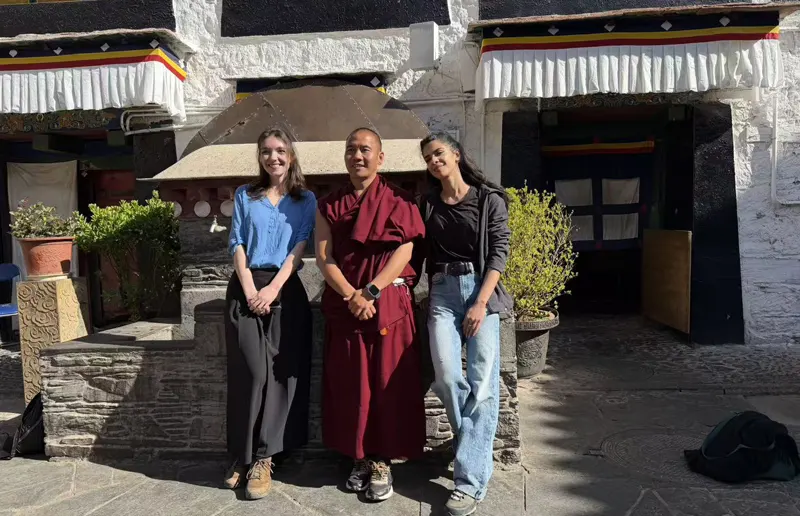 Tibetan Monks and Tourists
Where Are the Best Monastery Spots for Tibetan Monk Tour in Tibet?
Each monastery features its own unique monastic culture, prayer rituals, and religious atmosphere. Choosing proper monastery destinations is the key to a satisfying Tibetan monk tour.
1) In Which Monasteries Can You Watch Classic Tibetan Monk Debates?
Monk debates are one of the most intellectually vibrant and visually striking traditions in Tibetan Buddhism. If you want to witness this unique practice, here are the best monasteries to visit.
Sera Monastery is the undisputed king of monk debates. Located just north of Lhasa, it holds daily debate sessions from 3:00 PM to 5:00 PM (except Sunday) in its famous debate courtyard. Monks engage in animated discussions on Buddhist philosophy, using sharp hand claps and dramatic gestures to emphasize their points. This is a must-see for any Tibetan monk tour.
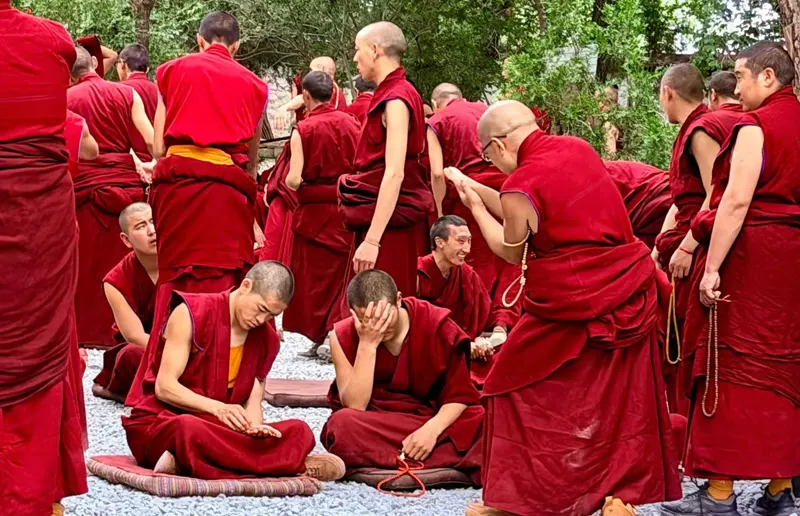 Tibet Monks in Sera Monastery
Ganden Monastery, perched on a mountain ridge about 60 kilometers from Lhasa, also offers excellent debate sessions. The debates here are more intimate and less crowded than those at Sera. You can observe monks of all ages challenging each other on complex philosophical texts.
Drepung Monastery, once the largest monastery in the world, is another prime location. Its debate courtyard hosts afternoon sessions where monks gather to sharpen their reasoning skills. The atmosphere is intense yet scholarly, offering a deep insight into monastic education.
Tashilhunpo Monastery in Shigatse also holds regular debates. While not as famous as Sera, it provides a quieter and more contemplative setting for observing this ancient tradition.
For the best experience, arrive early to secure a good viewing spot. Stay silent and avoid disrupting the monks' concentration. Watching these debates is not just entertaining — it is a profound lesson in how Tibetan monks train their minds through logical inquiry.
2) What Hidden Monastery Sites Are Ideal For In-depth Monk Culture Travel?
Beyond the famous monasteries above, several lesser-known monasteries offer a deeper insight into Tibetan monk culture.
Drigung Til Monastery: Renowned for its strict meditation retreats. It is also an ideal place to experience Tibetan Buddhist traditions and learn about the sacred sky burial culture from a respectful distance.
Tsurphu Monastery: Hidden in a quiet valley, this site is the traditional seat of the Karmapa lineage. It is known for its monk chanting ceremonies, rich Tibetan Buddhist heritage, and ancient meditation retreats.
Samye Monastery: As Tibet's first Buddhist monastery, it is famous for its unique mandala-shaped layout. It offers visitors a fascinating introduction to early Tibetan Buddhism and the history of monastic life.
Chimpu Caves: One of Tibet's most important meditation sites, located in the mountains above Samye Monastery. The area is home to hundreds of ancient caves where monks and pilgrims have practiced meditation for centuries. Today, it remains a peaceful destination for visitors interested in Tibetan Buddhism and spiritual culture.
3) How to Plan A Lhasa-centered Tibetan Monk Culture Tour Route?
A Tibet culture tour or Lhasa tour is ideal for first-time visitors. Begin with the Potala Palace in downtown Lhasa, then visit Sera Monastery to watch the famous monk debates and Drepung Monastery to learn about monastic life. Continue to Ganden Monastery or Samye Monastery for a more immersive cultural experience.
How to Make A Complete Practical Tibet Monk Tour Plan?
To plan a practical Tibet monk tour, book with a licensed Tibet travel agency, such as Tibet Horizon, at least 30 days in advance to secure your Tibet Travel Permit (TTP). Travel during spring or autumn for pleasant weather and clear views. While visiting monasteries, dress modestly, speak quietly, and ask permission before taking photos of Tibetan monks.
Conclusion
Tibetan monks play a vital role in preserving Tibet's Buddhist traditions and spiritual heritage. Visiting monasteries and witnessing their daily prayers offers a deeper understanding of Tibetan culture and traditions. With the right itinerary, permits, and a licensed local tour operator, you can enjoy an authentic and unforgettable Tibet monk tour.
10 years exp.| 5.0
 | Reviews
Tell me about your travel plan or contact me via inquiry@tibettourism.com
Related Tibet Travel Guide and Advice

Most Popular Tibet Tour Packages
-
![15 Days Lhasa EBC Kailash Mansarovar Gyirong Sakya Shigatse Lhasa Join-in Group Tour]() Real Join-in Group Tour
Real Join-in Group Tour15 Days Lhasa EBC Kailash Mansarovar Gyirong Sakya Shigatse Lhasa Join-in Group Tour
Promo: Journey through the Himalayan mountains and lakes to uncover their mysteries
Dates & Price (More Traveler, Lower Price)
![rili]()
![xiala]()


Please share your contact information, so we can send you the answer directly by email.

