
 inquiry@tibettourism.com


.webp)


Tibet Train Facilities: What to Expect on the Train to Lhasa
Traveling to Tibet by train is undoubtedly one of the most spectacular rail journeys in the world, but it’s important to understand what facilities are available onboard to ensure a comfortable trip. The Qinghai-Tibet Railway, being the highest railway in the world, has specially designed facilities to accommodate the needs of passengers making this extraordinary journey. This guide provides detailed information about different classes of seats, luggage storage options, power availability, toilet facilities, dining services, and the unique oxygen supply systems that make the high-altitude journey possible. Whether you’re booking a soft sleeper, hard sleeper or hard seat, knowing what to expect will help you pack appropriately and travel with confidence across the Roof of the World.
Berths and Seats
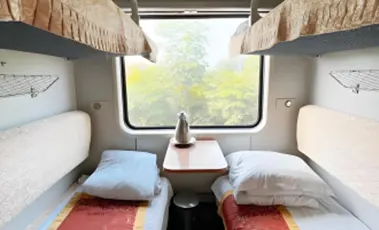
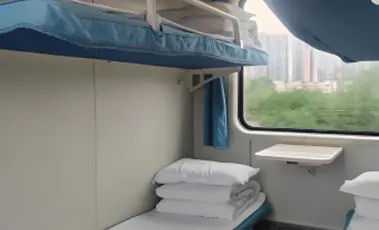
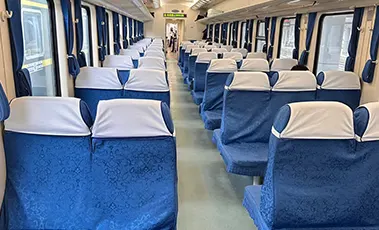
The Qinghai-Tibet tranis are specially built for high altitude environments by CRRC Qingdao Sifang Locomotive Co., Ltd. On the Qinghai-Tibet trains, there are three kinds of train tickets: soft sleeper berths, hard sleeper berths, and hard seats.
Luggage Racks and Storage Space
The Qinghai-Tibet trains offer ample luggage storage options. Each carriage is equipped with multiple storage solutions designed to accommodate different types of baggage. Overhead racks run the length of the carriage above the seats and berths, providing space for smaller bags and personal items. Additional storage areas beneath seats and beds can hold medium-sized suitcases. For larger items, there are dedicated luggage areas at the ends of each carriage and in the passageways between cars.
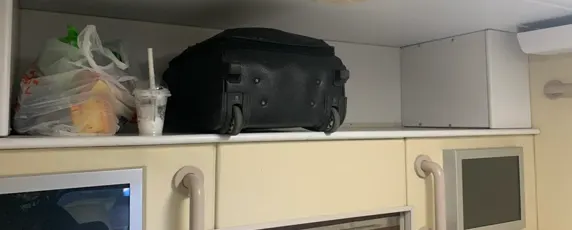
The soft sleeper compartments offer the most convenient luggage storage options on the train. Each enclosed four-berth compartment features generous overhead storage racks that can accommodate medium-sized suitcases, along with significant space beneath the lower bunks that can easily hold large suitcases standing upright. The compartments are designed so that travelers can easily access their luggage. The privacy of the locked compartment door adds an extra layer of security for your belongings.
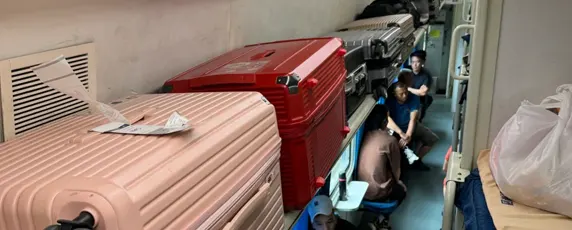
Hard sleeper carriages provide adequate but more limited luggage storage compared to soft sleepers. The open-plan design means storage is more communal, with overhead racks above each berth that can hold small to medium bags. The space beneath the lower bunks is available for larger items, though it’s narrower than in soft sleepers. Many passengers find the middle bunks particularly challenging for accessing luggage during the journey.
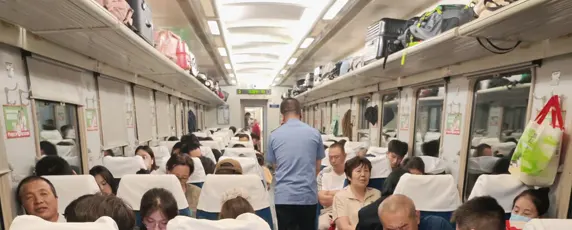
Hard seat class offers the most basic luggage storage options on the train. The overhead racks are narrower, suitable only for small backpacks or lightweight bags. Beneath the seats, there's minimal space, perhaps only enough for a medium backpack if carefully arranged. Many travelers in hard seat choose to keep their most essential items in their laps or at their feet throughout the journey. It’s recommended using compression sacks to minimize bulk when choosing hard seat class on this lengthy journey.
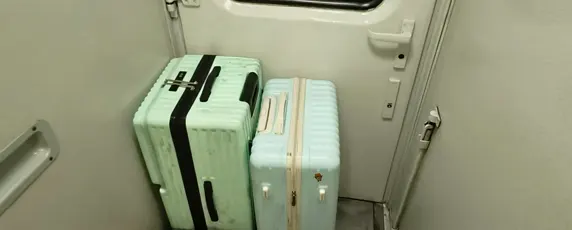
Between each carriage, you’ll find spacious luggage storage areas. These spaces feature floor-to-ceiling closets that can accommodate even the largest suitcases and backpacks. While unmonitored, these areas are generally secure as they’re in high-traffic zones constantly passed by staff and passengers. Many travelers use these areas to store items they won’t need during the journey, like extra clothing or supplies for their time in Tibet.
Power Sockets and Electricity Outlets
Modern Qinghai-Tibet trains are well-equipped with power outlets to keep your devices charged throughout the journey. Voltage is standardized at 220V, compatible with most modern electronics. However, it’s worth noting that power availability varies significantly by carriage class. During peak travel times, you may find outlets in high demand, so bringing a multi-port charger or power bank is advisable. The train’s electrical system is remarkably stable considering the challenging high-altitude conditions it operates in.
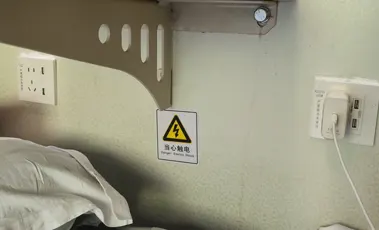
Soft sleeper passengers enjoy the most convenient power access on the train. Each compartment features at least two standard power outlets, usually located near the bunks for easy access. The outlets are positioned so that passengers can comfortably use devices while seated or lying in their berths. Some compartments feature additional outlets near the small fold-down tables, perfect for those who need to work during the journey. The soft sleeper’s enclosed design means you can safely leave devices charging without concern.
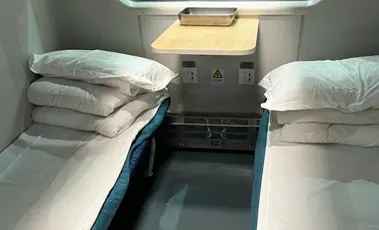
Hard sleeper carriages provide more limited but adequate power access for passengers. You’ll typically find two to four outlets available per hard sleeper section, which means they can be in high demand during peak usage times. It’s recommended charging devices during off-peak hours (early morning or late evening) when competition for outlets is lower.
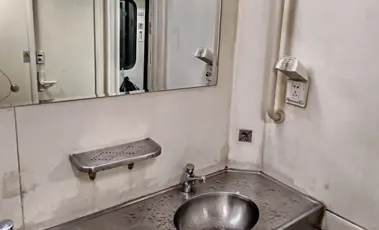
Outlets are also located in the hallway areas near the washrooms and at the ends of each carriage section. These are shared among all passengers on the train, making them highly competitive resources. During busy periods, you might see queuing lines develop as passengers wait their turn to charge phones and other essential devices.
Sanitation Facilities
There are two toilets and bathrooms at both ends of each car. In soft sleeper car, at one end is the Western-style toilet (seat type) and at another end is Chinese-style toilet (squat type). But in hard sleeper car, both toilets are Chinese-style toilet. Inside the toilet, there are water basin, dustbin, and two kinds of button: green for flushing water and red for emergency.
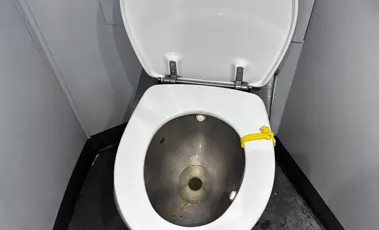
Western-style seated toilets are available, providing familiar facilities for international travelers. These units feature plastic toilet seats that are cleaned and disinfected regularly by the train staff. The toilet cabins offer reasonable space, though taller passengers may find them somewhat cramped. There is the secure locking mechanism on each door, ensuring privacy during use. The flushing system uses a powerful vacuum mechanism that works efficiently throughout the journey.
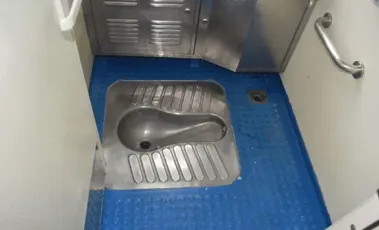
The Chinese squat toilets are found in all sleeper and hard seat carriages. Many travelers find them more hygienic for public use, though those with mobility issues may find them challenging. Each squat toilet features sturdy handrails for stability during the train's movement. Like the western-style units, these toilets use a powerful vacuum flushing system that maintains cleanliness.
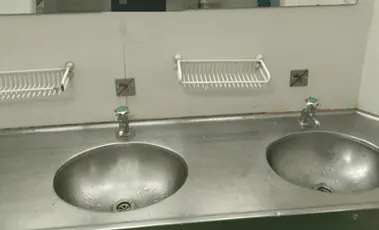
The train provides numerous washbasin areas for passenger use, located both inside and outside toilet cabins throughout each carriage. These sinks offer both hot and cold running water, though the temperature may fluctuate. The separate sink areas feature large mirrors and ample counter space for personal grooming, making them popular spots for freshening up each morning. Liquid soap dispensers are provided at each sink station, though they may run out during peak times.
Food and Beverages
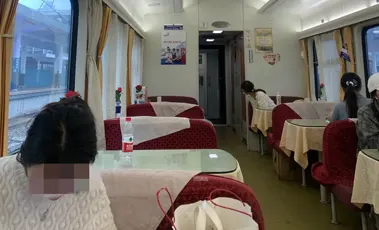
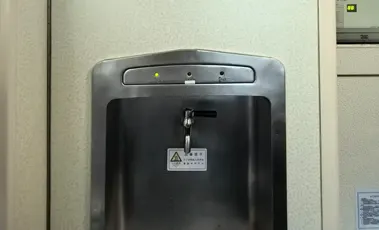
The Qinghai-Tibet trains offer varied dining options considering the remote route. The dedicated dining car serves as the social hub of the train, offering both Chinese and basic Western-style meals at reasonable prices. For those preferring to eat in their compartments, food vendors make regular rounds through all carriages offering snacks, instant noodles, and beverages. An important feature is the 24-hour hot water supply available from dispensers in each carriage, perfect for making tea, coffee, or instant meals.

Oxygen Supply
On the Tibet train, there are two kinds of oxygen supply devices. One is the dispersion type oxygen supply system which can make the oxygen content of each car reach 23.5% by mixing the oxygen in the air conditioning system. Usually, the train conductor will turn on the oxygen supply system when arriving at Golmud (2,829m) to distribute the disposable tube to each passenger. Another system is the distribution type oxygen supply system which can let passengers to inhale oxygen from oxygen outlet through the oxygen pipe at time to avoid altitude sickness.
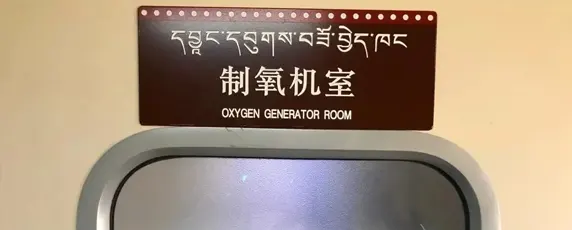
The diffusion oxygen system is the backbone of the train’s altitude adaptation system, seamlessly enriching the air in all carriages as the train ascends into high-altitude regions. This sophisticated system begins automatically increasing oxygen levels when the train passes Golmud. This system is particularly effective because it provides continuous, mild oxygen enrichment rather than sudden bursts, allowing for natural acclimatization. Staff conduct regular checks to ensure the system functions perfectly, giving passengers peace of mind during their high-altitude journey.
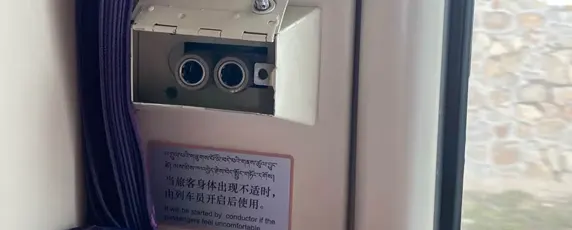
In soft sleeper compartments, the personal oxygen system offers additional comfort and privacy. Each berth features its own oxygen outlet built into the wall near the bunks. The compartment’s enclosed design allows passengers to use the oxygen at ease when needed, and the quiet operation ensures no disturbance to others. You are able to use the oxygen while sleeping, as it helps prevent altitude-related sleep disturbances. The system is particularly valued by elderly passengers or those with pre-existing respiratory conditions making the journey to Tibet.
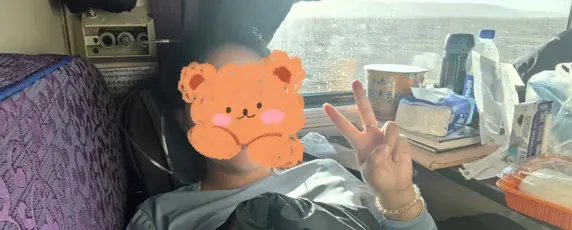
Hard sleeper carriages provide pipe oxygen outlets at each berth, though in a more compact configuration than soft sleepers. The outlets are located along the carriage walls near the upper, middle and lower bunks. While slightly less private than in soft sleeper, the system functions effectively, delivering pure oxygen through disposable tubes.
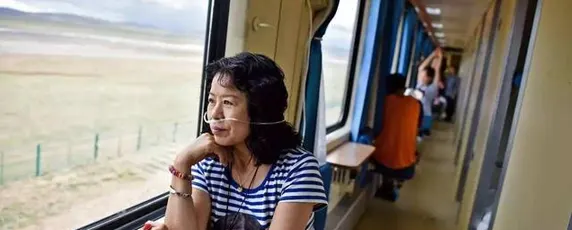
Hard seat passengers benefit from the train’s oxygen systems as well, with outlets located at regular intervals along the carriage walls. While not as conveniently positioned as in sleeper classes, these outlets ensure all passengers have access to supplemental oxygen when needed. The hard seat oxygen outlets on the wall typically serve 4-6 passengers each, requiring some coordination during peak usage times. There are also outlets under the seats.
Security Facilities
The Tibet trains prioritize passenger safety with comprehensive security measures. Each carriage features emergency exits with clear signage in Chinese and English, along with strategically placed fire extinguishers. The train staff includes security personnel trained in emergency response. Emergency alarms are located in every carriage, directly connecting to the conductor’s compartment for immediate response.
Internet and WiFi
While the Tibet trains do not offer onboard WiFi, most sections of the route have reasonable mobile data coverage through China’s major carriers. Signal strength varies depending on the remote terrain, with consistent 4G or even 5G coverage in populated areas and intermittent service in mountain passes and wilderness sections. International tourists can purchase local SIM cards with generous data packages to stay connected during the journey.
Entertainment
The onboard TVs are only availble in the soft sleeper compartment. Some passengers bring books, playing cards, or portable games to enjoy during the journey. The dining car often becomes a social hub where travelers from around the world share stories and experiences. While there are no organized entertainment programs, the lack of digital distractions encourages conversation and contemplation.
Smoking Area
Strict no-smoking policies are enforced throughout all interior areas of the Tibet trains, including toilets and carriage connections. Designated smoking areas are only available during scheduled station stops, where passengers may smoke on the platform for the limited duration of the stop (typically 5-10 minutes). These restrictions are particularly important at high altitudes where oxygen levels are lower and fire risks greater.
Most Popular Tibet Train Rouets and Tour Packages
Taking a Qinghai-Tibet Train to Lhasa is the first choice for many international tourists to Tibet. You will be impressed by the breathtaking scenery along the Qinghai-Tibet Railway: the railway itself, blue sky and white clouds, grasslands with flocks and herds, snow-covered Kunlun Mountains, source of Yangtze River and Hoh Xil National Nature Reserve, etc., by direct train to Lhasa from Xining, Lanzhou, Chengdu, Chongqing, Beijing, Shanghai, and Guangzhou.
1. Xining to Lhasa Train: Xining is the starting point of Qinghai-Tibet Railway. The Train Z8981 runs directly from Xinig to Lhasa every day. The total rail distance is 1,956km. It departs from Xining Railway Station at 12:50, and arriving at Lhasa Railway Station on the second day at 10:20 (21hrs 30mins in total). But each day there are 5-6 trains to Lhasa passing through Xining train station, pushing easy to booking train tickets and short train journey time, it is first choice for most passengers to take a train to Lhasa from Xining.
>> 9 Days Xining Train to Lhasa Shigatse Everest Base Camp Tour>> 12 Days Xining Qinghai Lake, Qinghai-Tibet Train to Lhasa and Mount Everest & Namtso Lake Tour2. Lanzhou to Lhasa Train: Although there is no train originating from Lanzhou to Lhasa, you still have chance to get onboard for 4 trains to Lhasa passing through Lanzhou train station. The total rail distance is 2,188km and costs 23 hours.
>> 10 Days Lanzhou Train to Lhasa Shigatse Everest Base Camp Namtso Tour3. Chengdu to Lhasa Train: The train Z322 is the only train from Chengdu to Lhasa. It departs each other day from Chengdu railway station (also known as Chengdu North Train Station) at 21:10 and arrives at Lhasa railway station at 07:41 on the third day. The distance is 3,014km and it takes 34 hours and 31 minutes.
>> 12 Days Chengdu Train to Lhasa Shigatse Everest Base Camp and Namtso Lake Tour4. Chongqing to Lhasa Train: The train Z223 is the only train from Chongqing to Lhasa and it depart each other day at 21:53 from Chongqing West Train Station to Lhasa Railway Station. The whole rail length is 3,055km and it takes 33 hours 48 minutes.
>> 12 Days Chongqing Train to Lhasa Shigatse Everest Base Camp and Namtso Lake Tour5. Beijing to Lhasa Train: As one of the most popular inbound city of China, Beijing is considered as the best place to start Tibet tour. Most of international and domestic travelers prefer to go to Tibet by train rather than take a flight to Lhasa. Taking Tibet train from Beijing to Lhasa, passengers will enjoy the magnificent scenery changes from eastern plain to Qinghai-Tibet Plateau. The train Z21 departs from Beijing West Railway Station at 19:22 each day and arrives at Lhasa Railway Station at 11:42 on the third day. The whole distance is 3,757km and takes 40 hours 20 minutes.
>> 11 Days Beijing Xian, Qinghai-Tibet Train to Lhasa and Shanghai Tour>> 14 Days Beijing Xian, Qinghai-Tibet Train to Lhasa Chongqing Yangtze Cruise to Shanghai Tour6. Shanghai to Lhasa Train: The train Z164 runs from Shanghai to Lhasa each day. It departs from Shanghai Railway Station at 18:33 and arrives at Lhasa at 15:30. The whole rail length is 4,373km through 8 provinces and takes 44 hours 57 minutes.
>> 10 Days Shanghai Train to Lhasa Shigatse and Namtso Lake Tour7. Guangzhou to Lhasa Train: From Guangzhou to Lhasa, it is the longest railway route to Lhasa. The whole rail length is 4,980 kilometers. For this kind of distance train journey, a soft sleeper or a hard sleeper is highly recommended which allows a more comfortable trip. The train Z264 departs from Guangzhou Railway Station at 09:27 each day and arrives at Lhasa Railway Station at 14:54 on the third days. It takes 53 hours 27 minutes.
>> 12 Days Guangzhou Train to Lhasa Shigatse Everest Base Camp and Namtso Lake Tour8. Xian to Lhasa Train: Z165 and Z265 stop at Xi’an Railway Station everyday and depart from there at 07:53 and 09:27 respectively. It takes 31-33 hrs to cover 2,864km.
>> 10 Days Xian Train to Lhasa Shigatse Everest Base Camp and Namtso Tour9. Shangri-La Xining to Lhasa Train: Flying from Shangri-La to Xining takes around 5 to 6 hours with a transit at Kunming. From Xining, connect to Tibet train, reaching Lhasa the next day.
>> 11 Days Shangri-La Xining Train to Lhasa Shigatse Everest Base Camp Namtso Tour10. Kunming Xining to Lhasa Train: The Kunming-Xining train (Z372) departs every day at 3:20 PM, arriving in Xining at 2:04 PM the following day. A quicker option is to take a flight to Xining (2-3 hours). Then, you can board a Xining-Lhasa train.
>> 11 Days Kunming Xining Train to Lhasa Shigatse Everest Base Camp Namtso Tour11. Xinjiang Xining to Lhasa Train: The train Z510 departs from Urumqi to Xining (departing 8:00 AM, arriving10:31PM), then travelers can transfer to the Xining-Lhasa train. Alternatively, you can fly to Xining and then take Tibet train to Lhasa.
>> 11 Days Xinjiang Xining Train to Lhasa Shigatse Everest Base Camp Namtso Tour12. Hong Kong Xining to Lhasa Train: Hong Kong travelers first take the high-speed rail to Guangzhou (about 1 hour), then connect to the Guangzhou-Lhasa train (Z264, departing 9:27 AM every day ). Or you can fly to Xining, usually with a stopover at Chengdu, Yuncheng, or Qingdao, and then take Tibet train to Lhasa.
>> 11 Days Hong Kong Train to Lhasa Shigatse Everest Base Camp Namtso Tour13. Macau Xining to Lhasa Train: From Macau, travelers typically cross to Zhuhai and take the high-speed rail to Guangzhou (1.5 hours), then board the Z264 train. The total journey time is similar at about 53 hours. You can also take a flight to Xining by making a stopover at Chengdu or Beijing and then take Tibet train to Lhasa.
>> 11 Days Macau Train to Lhasa Shigatse Everest Base Camp Namtso Tour14. Taiwan Chengdu to Lhasa Train: Taiwanese travelers usually fly to Chengdu, then connect to the Tibet trains from those cities. The Chengdu-Lhasa route (train Z322, departing 7:41 PM every other day) is particularly popular.
>> 12 Days Taiwan Chengdu Train to Lhasa Shigatse Everest Base Camp and Namtso Lake TourTibet Train Travel Guide
-

All Tibet Train Routes: How to Choose the Best One and Tibet Train Ticket
-

Qinghai-Tibet Train Ticket Booking Guide and Reservation Tips
-

How to Board Tibet Train: Step-by-Step Guide for Your Tibet Train Tour
-

Safety on Tibet Trains: Is Tibet Train Safe? How to Ensure Safety?
-

How to Plan a Tibet Train Tour to Lhasa: Routes, Tickets & Permits
-

Top 32 Qinghai-Tibet Railway FAQ: Tibet Train Travel Tips & Info