1. What to see in Taiwan?
Taiwan offers a variety of tourist attractions. Here are some top places to visit:
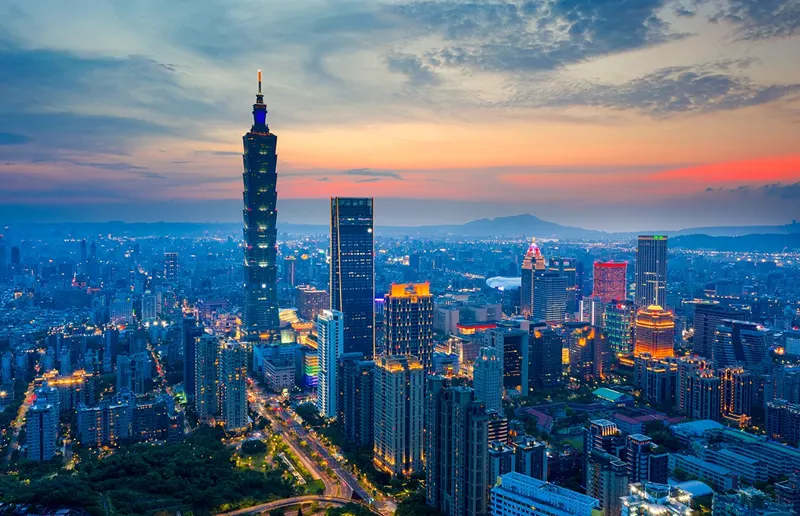
Taipei 101: This iconic skyscraper, once the world's tallest building, offers a stunning view of Taipei from its observatory deck.
Sun Moon Lake: It’s a picturesque alpine lake surrounded by lush mountains, offering boat tours and a chance to explore the local Thao culture.
Yushan (Jade Mountain): The highest peak in Taiwan, Yushan is a challenge for hikers and a destination for those seeking breathtaking mountain views.
National Palace Museum in Taipei: It’s a world-renowned institution housing an extensive collection of Chinese art and historical artifacts, including over 690,000 pieces that span thousands of years of Chinese history.
2. What to see on the Chengdu-Lhasa train during the Taiwan Tibet tour?
Taking a Tibet train from Chengdu to Lhasa, you can enjoy the stunning landscapes along the way.
Min Mountains: Heading to Qinghai Province, the train will traverse the majestic range in the northeastern part of China, which is known for its lush forests and diverse wildlife. You can witness the region's geological wonder and ecological richness.
Qinghai Lake: As the train departs Xining, you will be greeted by Qinghai Lake. Located in the northeast of the Tibetan Plateau, it is China’s largest alkaline salt lake. The heavenly blue lake is like a sapphire set in the land. The lake is located at the intersection of several bird migration routes. You may witness many species here during migration.
Delingha: Delingha area offers a unique blend of diverse landscapes, including lakes, deserts, and mountains. On the train, you may catch the sight of serene blue lake surrounded by red rocks and colorful hills.
Cuona Lake: It’s the world’s highest freshwater lake and the closest lake to the Qinghai-Tibet Railway, with clear and green waters against the blue sky and the mountains beyond.
3. What permits are needed to travel Tibet from Taiwan?
Foreign Tourists with Foreign Passports
Tibet Travel Permit: This permit is issued by the Tibet Tourism Bureau (TTB) and is required for all foreign travelers visiting Tibet.
Aliens' Travel Permit: Travelers traveling to partially restricted areas such as EBC, Basumtso Lake, Samye Monastery, etc. need to obtain Aliens’ Travel Permit via Tibet Travel Agency (like Tibet Horizon).
Military Area Entry Permit: If you want to visit places like Lake Manasarovar and Mount Kailash or travel along G318 Highway, you need to apply for a Military Area Entry Permit.
Taiwan Compatriots
Taiwan Compatriot Permit: Taiwan compatriots who wish to visit the mainland, including Tibet, for various purposes such as tourism need to process a Taiwan Compatriot Permit, officially known as the "Mainland Travel Permit for Taiwan Residents" (台湾居民来往大陆通行证).
Tibet Travel Permit: This permit is issued by the Tibet Tourism Bureau (TTB) and is required for tourists from Taiwan visiting Tibet.
Military Area Entry Permit: Taiwan tourists visiting places like Lake Manasarovar and Mount Kailash or travel along G318 Highway need to apply for a Military Area Entry Permit.
Border Permit: Taiwan compatriots need a Border Permit to visit certain restricted areas in Tibet, particularly those close to the Chinese border with Nepal, including the Everest Base Camp, Ngari Prefecture and Gyirong Border.
Our Xizang (Tibet) tour packages include Tibet Travel Permit and all the necessary Tibet travel documents. If you book with us, we’ll help apply for the permits needed to ensure a smooth and worry-free Taiwan Tibet Tour.
4. What is the best time to visit Tibet from Taiwan?
Taiwan’s climate is humid subtropical, featuring high temperature and humidity, massive rainfall and tropical cyclones in summers. Compared with Taiwan, Tibet has greater temperature differences and cooler winters. Taking Taiwan and Tibet’s climates into consideration, the best time to visit Tibet from Taiwan is generally from April to June and from September to October. During these months, the weather is relatively stable, with less rainfall, clear skies and mild temperatures, making it ideal for enjoying the stunning views. Also, you can experience the grand Saga Dawa Festival in May. In summer, the weather may be rainy, but tourists can witness the celebration of Shoton Festival. Winter in Tibet is not as cold as you might think and you can enjoy a lower cost of transportation and accommodation and feel less crowded as there are fewer tourists. Also, Losar, the Tibetan New Year, often falls in February or March.
5. Where to stay during Taiwan Tibet tours?
Taiwan, Chinese mainland gateway cities like Chengdu, and major Tibetan cities like Lhasa and Shigatse offer more diverse options from 3-to 5-star hotels to local guesthouses. They provide basic to luxury facilities, all ensuring a comfortable stay. For private travelers, you can choose according to your standards. However, in remote areas like EBC, only cozy tents and guesthouses are available.
6. What to eat during Taiwan Tibet Tours?
Taiwan is known for a lot amazing dishes full of flavor. You can try marinated pork rice, oyster omelette, and bubble milk tea. During your trip in Tibet, we have handpicked restaurants with food safety guarantees for our travelers. You can enjoy unique Tibetan, Nepali and Sichuan cuisines along the way. Specialties include yak hotpot, sweet tea, butter tea, roasted pig, tsampa, barley wine, stone pot chicken and spicy diced chicken. Nepali dishes feature chicken masala and various curries. You can also find Indian dishes and Western-style dishes in Tibet. If you have any special dietary requirements, please keep our guides informed and they will help you check food composition when you order dishes.
7. How to deal with possible altitude sickness?
Traveling on the Tibet Plateau with an average altitude of over 4,000 meters, it’s common for some tourists to experience altitude sickness. The symptoms of altitude sickness can include headache, nausea, and dizziness.
To minimize the effect of altitude sickness, it is important to allow time to acclimate to the high altitude and to take precautions to prevent altitude sickness. Travelers should drink plenty of water, eat light meals, and avoid alcohol or caffeine. It is also recommended to take a slow path in the first two days after entering Tibet, avoiding strenuous activities like running.
If you feel uncomfortable, tell your guide. We have prepared oxygen tanks in our vehicles. You can inhale oxygen and take medication when necessary. If symptoms of altitude sickness persist or worsen, we’ll help transfer you to the hotel or hospital to seek medical attention immediately.

 inquiry@tibettourism.com


.webp)



.jpg)

.jpg)


