
 inquiry@tibettourism.com


.webp)


Lanzhou Tibet Tour
Lanzhou, the capital city of Gansu Province, is strategically located at the heart of China's northwest region, where the Yellow River meets the city. This geographical positioning makes Lanzhou a pivotal transportation hub. Its well-connected airport and extensive railway network provide convenient access to and from various parts of China, including the Tibetan Plateau, making it an ideal starting point for journeys to Tibet.
As a tourist destination, Lanzhou offers a rich blend of historical sites, cultural experiences, and natural beauty. Traveling to famous attractions such as Gansu Provincial Museum, Green Corridor along Binhe Road, Baita Mountain Park, Yellow River Mother Sculpture, Xiguan Mosque, you can explore its rich history, indulge in the local cuisine, and experience the city's vibrant atmosphere. From Lanzhou, you can easily get to other famous sites in Gansu Province, including Duhuang Mogao Grottoes, Jiayuguan and Zhangye Danxia Landform Geological Park. For those looking to venture further afield, Lanzhou serves as a gateway to the mystical landscapes of Tibet.
We offer carefully planned Lanzhou to Tibet tour packages and all-inclusive services to handle train and flight ticket booking and Tibet Travel Permit application, designed to provide you with comfortable and enriching travel experiences. Whether you opt for a flight tour or a train journey, our packages ensure that you can explore the spiritual and natural wonders of Tibet with ease.
What Tibet Horizon Can Do for Your Lanzhou Tibet Tour
Planning a Lanzhou to Tibet tour is simple with Tibet Horizon. We provide all-inclusive travel services, from Tibet Travel Permit application to Tibet train and flight ticket booking. Our experienced team ensures a smooth, safe, and worry-free journey from Lanzhou to Lhasa.
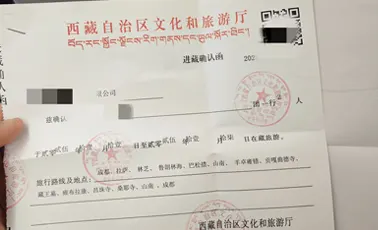
The Tibet Travel Permit is required for all foreign travelers entering Tibet. We provide a 100% Tibet Travel Permit Guarantee for every eligible booking. Our team handles the entire application process and delivers the permit before you depart from Lanzhou.
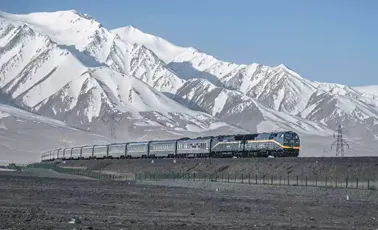
The train from Lanzhou to Lhasa is one of the shortest routes to Tibet and covers a distance of only 2,188km on its journey across the Qinghai-Tibet Plateau. Totally, five trains depart from or stop at Lanzhou Railway Station, including trains from Beijing (Z21), Guangzhou (Z265), Shanghai (Z165), Chongqing (Z223), and Chengdu (Z323), offering multiple options to you. Once boarding the train, you can sit comfortably on the train and view the landscapes changing from colorful Danxia landforms into snowy mountains. We offer Lanzhou to Tibet train ticket booking for all available seat classes, including soft sleepers, hard sleepers, and hard seats. If direct tickets are unavailable, we can recommend the best transfer routes to help you reach Lhasa smoothly.
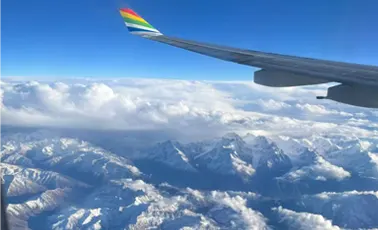
With a hassle-free flight from Lanzhou, known for its accessible transportation network, you'll swiftly find yourself on the Tibetan Plateau. Lanzhou offers direct flights to Lhasa, with a flight time of about 2.5 hours. We provide Lanzhou to Tibet flight booking services at competitive prices. Our travel consultants will recommend the best flight options based on your schedule and budget, ensuring a smooth and hassle-free journey from Lanzhou to Lhasa.
Top 2 Lanzhou Tibet Tour Packages
Discover the enchanting landscapes and rich cultural tapestry of Tibet with our two best tour packages from Lanzhou. The 8-day flight tour offers a direct air journey to Lhasa, providing swift access to the heart of Tibet's spiritual realm. This trip allows you to delve into Lhasa's sacred sites, including the majestic Potala Palace and the revered Jokhang Temple, as well as the natural marvels of Yamdrok Lake and Mt. Everest. For a more extended adventure, choose our 10-day train tour. This in-depth experience includes a scenic train journey from Lanzhou to Lhasa on the legendary Tibet Train, offering breathtaking views of the Qinghai-Tibet Plateau. The tour continues with visits to the cultural hub of Shigatse, the awe-inspiring EBC, and the serene Namtso Lake. Each package is designed to offer a comfortable and memorable exploration of Tibet's spiritual and natural wonders, ensuring that your journey is both enriching and hassle-free.
-
![bugong]() Best Lanzhou Tibet TourLanzhou Tibet Trip by Train
Best Lanzhou Tibet TourLanzhou Tibet Trip by Train10 Days Lanzhou Train to Lhasa Shigatse Everest Base Camp Namtso Tour
Features:
Lifetime train ride experience on the Qinghai-Tibet Railway
Mysterious and profound Tibetan Buddhism
Sacred lakes on the Tibet PlateauGroup size: Min.1 pax
Tour price: free enquire >
-
![bugong]() Lanzhou Tibet Trip by FlightTop China Tibet Tour
Lanzhou Tibet Trip by FlightTop China Tibet Tour8 Days Lanzhou Flight to Lhasa Shigatse Everest Base Camp Tour
Features:
Discover Tibet Plateau by air
Landmarks in the City of Sunlight
Pinnacle of the Himalayan Mountain RangeGroup size: Min.1 pax
Tour price: free enquire >


Lanzhou Tibet Train Tour
Experience the best of Tibet on this 10-day Lanzhou Train to Lhasa, Shigatse, Everest Base Camp, and Namtso Lake Tour. Ride the legendary Tibet train from Lanzhou to Lhasa before discovering ancient monasteries, stunning alpine lakes, and the majestic Himalayas. After reaching Lhasa, you can visit city landmarks and venture to EBC and Namtso Lake to fully appreciate the natural beauty and cultural splendors. This itinerary combines rich Tibetan culture, breathtaking landscapes, and the unforgettable experience of the world's highest railway.
-
![10 Days Lanzhou Train to Lhasa Shigatse Everest Base Camp Namtso Tour]()
10 Days Lanzhou Train to Lhasa Shigatse Everest Base Camp Namtso Tour
Features:
Lifetime train ride experience on the Qinghai-Tibet Railway
Mysterious and profound Tibetan Buddhism
Sacred lakes on the Tibet PlateauGroup size: Min.1 pax
Tour price: free enquire >

Lanzhou Tibet Flight Tour
Our meticulously designed 8-day Lanzhou to Tibet flight tour offers a comfortable and hassle-free travel experience. Fly from Lanzhou to Lhasa and begin your journey through Tibet's breathtaking landscapes and rich Buddhist culture. Explore the highlights of Tibet, including the Potala Palace and Jokhang Temple, as well as the natural splendor of Yamdrok Lake and the Everest Base Camp. This itinerary is perfect for travelers who want to experience Tibet's top attractions in a shorter time.
-
![8 Days Lanzhou Flight to Lhasa Shigatse Everest Base Camp Tour]()
8 Days Lanzhou Flight to Lhasa Shigatse Everest Base Camp Tour
Features:
Discover Tibet Plateau by air
Landmarks in the City of Sunlight
Pinnacle of the Himalayan Mountain RangeGroup size: Min.1 pax
Tour price: free enquire >


FAQs on Lanzhou Tibet Tour
Lanzhou to Tibet is one of the shortest routes to the Tibetan Plateau. The distance from Lanzhou to Lhasa is about 2,188 km by train along the Qinghai-Tibet Railway and around 1,180 km by air. A direct flight takes about 2.5 hours, while the train journey takes approximately 22 hours, offering spectacular views of the Qinghai-Tibet Plateau.
2. What to see in Lanzhou?In Lanzhou, the "City of Rivers”, you can explore a variety of attractions that showcase the region's rich history and cultural heritage.
Baita Mountain Park: Located on the north bank of the Yellow River, this park offers stunning panoramic views of Lanzhou and is a great spot for photography enthusiasts.
Xiguan Mosque: A prominent religious site, the Xiguan Mosque offers insight into the local Muslim community and its architectural style.
Gansu Provincial Museum: Housing a vast collection of historical relics and artifacts, including the renowned Bronze Running Horse, the museum is a treasure trove of knowledge about the region's past.
Riding on Qinghai-Tibet Railway from Lanzhou to Lhasa, you can enjoy the stunning landscapes of the snow-capped mountain range, vast grassland, and flowing rivers.
Yellow River: As you travel by train from Lanzhou, especially if you are on a route that follows the river, you may catch glimpses of the Yellow River's vast waters. The sight of the river can be particularly impressive as it meanders through the landscape, providing a scenic backdrop to the journey.
Qinghai Lake: As the train departs Xining, you will be greeted by Qinghai Lake. Located in the northeast of the Tibetan Plateau, it is China’s largest alkaline salt lake. The heavenly blue lake is like a sapphire set in the land. The lake is located at the intersection of several bird migration routes. You may witness many species here during migration.
Tanggula Mountain Range: Tanggula Mountain Range is the natural boundary of Qinghai and Tibet. It also marks the highest section of the Qinghai-Tibet Railway. As the train climbs to a higher altitude, you can enjoy the stunning view of the blue sky and snow-white mountains.
Tuotuo River: Tuotuo River is the official headstream of the Yangtze River. It originates from the glaciers of the Jianggendiru Snow Mountains, the highest peak of the Tanggula Mountain Range.
To visit Tibet from Lanzhou, travelers typically need the following permits:
Tibet Travel Permit: This permit is issued by the Tibet Tourism Bureau (TTB) and is required for all foreigners visiting Tibet.
Aliens' Travel Permit: Tourists venturing into partially restricted areas, such as Ngari Prefecture, need to obtain the Aliens’ Travel Permit through a Tibet Travel Agency (like Tibet Horizon).
Military Area Entry Permit: Travelers traveling along G318 Highway or visiting Lake Mansarovar and Mount Kailash need to apply for a Military Area Entry Permit.
Our Tibet tour packages include the Tibet Travel Permit and all the necessary Tibet travel documents. If you book with us, we’ll help apply for the permits needed to ensure a smooth and worry-free Lanzhou Tibet tour.
5. What is the best time to visit Tibet from Lanzhou?The best time to visit Tibet from Lanzhou is generally from April to June and from September to October. During these months, the weather is relatively stable, with less rainfall, clear skies and mild temperatures, making it ideal for enjoying the stunning views in Lanzhou and Tibet. Also, you can experience the grand Saga Dawa Festival in May. In summer, the weather may be rainy, but tourists can witness the celebration of Shoton Festival. Winter in Tibet is not as cold as you might think. Compared with Lanzhou, Tibet may enjoy more abundant sunlight during the day, making you feel warm. You can also enjoy a lower cost of transportation and accommodation and feel less crowded as there are fewer tourists. Also, Losar, the Tibetan New Year, often falls in February or March.
6. Where to stay in Tibet?Major Tibetan cities like Lhasa and Shigatse offer more diverse options from 3-to 5-star hotels to local guesthouses. They provide basic to luxury facilities, all ensuring a comfortable stay. For private travelers, you can choose according to your standards. However, in remote areas like EBC and Mt. Kailash, only cozy tents and guesthouses are available.
7. Is it a good idea to take a train from Lanzhou to Lhasa?Yes. Taking the Lanzhou to Lhasa train is one of the best ways to travel to Tibet. As one of the shortest routes on the Qinghai-Tibet Railway, it offers spectacular views of snow-capped mountains, vast grasslands, and pristine lakes. The gradual ascent also gives your body more time to adapt to the high altitude, making the journey both scenic and comfortable.
8. Should I choose the soft sleeper or hard sleeper?For the Lanzhou to Lhasa train, a soft sleeper is the best choice if you value comfort and privacy. It has four berths per cabin, more space, and a quieter environment, making the long journey more relaxing. A hard sleeper is a more affordable option with six berths per cabin. It is ideal for budget-conscious travelers who want a comfortable journey on the Qinghai-Tibet Railway.
9. What to eat during Lanzhou Tibet Tours?Lanzhou's cuisine is as diverse and rich as the city itself, offering a plethora of flavorsome dishes that are not to be missed. Famous dishes include beef noodles, hand-grabbed mutton, and Lanzhou milk and egg fermented glutinous rice pudding (Niunai Jidan Laozao). During your trip in Tibet, we have handpicked restaurants with food safety guarantees for our travelers. You can enjoy unique Tibetan, Nepali and Sichuan cuisines along the way. Specialties include yak hotpot, sweet tea, butter tea, roasted pig, tsampa, barley wine, stone pot chicken and spicy diced chicken. Nepali dishes feature chicken masala and various curries. You can also find Indian dishes and Western-style dishes in Tibet. If you have any special dietary requirements, please keep our guides informed and they will help you check food composition when you order dishes.
10. How to deal with possible altitude sickness?Traveling on the Tibet Plateau with an average altitude of over 4,000 meters, it’s common for some tourists to experience altitude sickness. The symptoms of altitude sickness can include headache, nausea, and dizziness.
To minimize the effect of altitude sicknes, it is important to allow time to acclimate to the high altitude and to take precautions to prevent altitude sickness. You should drink plenty of water, eat light meals, and avoid alcohol or caffeine. It is also recommended to take a slow path in the first two days after entering Tibet, avoiding strenuous activities like running.
If you feel uncomfortable, tell your guide. We have prepared oxygen tanks in our vehicles. You can inhale oxygen and take medication when necessary. If symptoms of altitude sickness persist or worsen, we’ll help transfer you to the hotel or hospital to seek medical attention immediately.


