
 inquiry@tibettourism.com


.webp)


Chengdu Tibet Tour
Chengdu is a transportation center in southwest China, connecting the southwest region with the rest of the world. With two airports handling international and domestic flight takeoffs and landings, Chengdu receives flows of travelers from home and abroad every day. Before heading to Tibet, you can visit the city’s landmarks, such as the Giant Panda Breeding Research Base, Jinli Ancient Street, Chunxi Road, Jinsha Relic Museum, Dujiangyan Irrigation System, etc. Around Chengdu, there are also many attractions in Sichuan Province, such as Leshan Grand Buddha, Mount Emei, Jiuzhaigou Natural Reserve, Daochen Yading Natural Reserve, and Seda Wuming Buddhist. After tasting the unique charm there, you can easily get to Tibet by train, flight, or car.
We have several Tibet travel itineraries starting from Chengdu with different transportation modes, offering you the freedom to choose according to your preference. No matter which way you opt for traveling, we will make perfect arrangements for you, giving you a fantastic journey in southwest China!
What Tibet Horizon Can Do for Your Chengdu Tibet Tour
Planning your dream Tibet tour from Chengdu is exciting, but organizing the logistics can be overwhelming. As your local experts, Tibet Horizon handles all the details to ensure your journey is seamless and stress-free. Here is how we take care of your travel essentials:
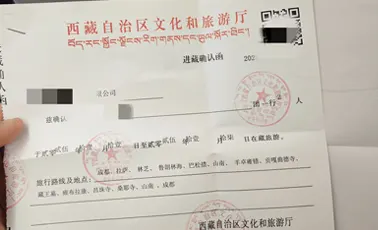
The Tibet Travel Permit is an essential document for entering Tibet. We manage the entire Tibet Travel Permit application process for you. Our team coordinates with local authorities, secures your permit efficiently, and delivers it to your hotel, train station or airport in Chengdu before you depart.
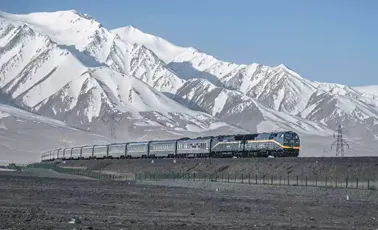
Chengdu Lhasa Train Z322 is a popular option for tourists heading to Tibet. It departs from Chengdu every other day, traversing 3,070km to the holy city in around 34hrs 31mins. Chengdu to Lhasa train tickets are often difficult to secure, especially during the peak tourist season, so early booking is recommended. We’ll help you book the train ticket and deliver it to your address in the Chinese Mainland, providing you with a worry-free and enjoyable tour.
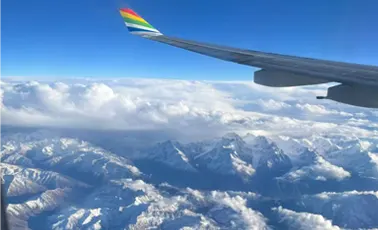
Chengdu has two airports: Chengdu Shuangliu Airport and Chengdu Tianfu Airport. More than 20 direct flights fly from Chengdu to Lhasa. The short and comfortable flight lands you in the enchanting places in about 2-3 hours. We can book the best flight from Chengdu to Lhasa based on your schedule and budget. Our team also monitors flight statuses and handles any scheduling changes.
Top 2 Chengdu Tibet Tour Packages
Driving along scenic G318 Highway or taking a sky train to Lhasa are two most popular ways for travelers getting to Tibet from Chengdu. Our 10-day overland tour follows the scenic G318 Highway connecting Sichuan and Tibet. Starting your epic journey in Chengdu and driving westwards, you can appreciate stunning scenery along the road, including Zheduo Mountain, Yalong River, Bangda Grassland, and Lulang Forest. Upon your arrival in Lhasa, you can visit the best parts of this city such as Potala Palace, Jokhang Temple, and Sera Monastery. For tourists willing to take a slow travel path, you can travel to Tibet from Chengdu by train. Riding on the sky train and galloping across the vast land of Kekexili, the flowing Tuotuo River and the lofty Tanggula Pass, you’ll be stunned by the landscapes outside the train window. Then our 12-day Chengdu Tibet train tour will take you to discover the wonderful Lhasa highlights, majestic Mt. Everest and sacred Namtso Lake. Join our well-planned trips from Chengdu to explore Tibetan natural and cultural splendors!
-
![bugong]() China Group TourTibetan Cultural ExplorationScenic Wonders of Tibet
China Group TourTibetan Cultural ExplorationScenic Wonders of Tibet10 Days Chengdu Litang Midui Nyingchi Lhasa G318 Overland Small Group Tour
Promo: In-depth Tour of G318 to discover the Beauty of Tibet
Route: Chengdu - Kangding - Litang - Cuopugou - Markam - Nujiang River 72 Turns - Ranwu Lake - Midui Glacier - Bomi - Lulang - Nyingchi - Basomtso - Lhasa
Dates & Price:

![dropdown]()
-
![bugong]() Scenic Tibet Train RideBest Chengdu Lhasa Everest Namtso Route
Scenic Tibet Train RideBest Chengdu Lhasa Everest Namtso Route12 Days Chengdu Train to Lhasa Shigatse Everest Base Camp and Namtso Lake Tour
Features:
Eastern Himalaya discovery
From basin to plateau
Snowy mountains and ancient glaciersGroup size: Min.1 pax
Tour price: free enquire >


Chengdu Tibet Train Tour
The Chengdu to Lhasa train tour combines Tibetan culture, breathtaking landscapes, and one of the world's most scenic railway journeys. The scenic Qinghai Lake, Kekexili, Tuotuo River, and Cuona Lake all show you the beauty of the Tibet Plateau and make you want to explore Lhasa, EBC, and Namtso Lake. We also offer customized Chengdu to Tibet train tours from different countries, including Germany, Japan, Russia, Italy, France, Thailand, Brazil, Bangladesh, Switzerland, and Norway. Read on for more details and join our Chengdu to Tibet train journey.
-
![12 Days Chengdu Train to Lhasa Shigatse Everest Base Camp and Namtso Lake Tour]()
12 Days Chengdu Train to Lhasa Shigatse Everest Base Camp and Namtso Lake Tour
Features:
Eastern Himalaya discovery
From basin to plateau
Snowy mountains and ancient glaciersGroup size: Min.1 pax
Tour price: free enquire >
-
![12 Days France Chengdu Train to Lhasa Shigatse EBC Namtso Tour]()
12 Days France Chengdu Train to Lhasa Shigatse EBC Namtso Tour
Features:
Take the world's highest railway from Chengdu to Lhasa
Deeply experience the traditional Tibetan Buddhism
Experience the unique Tibetan cultureGroup size: Min.1 pax
Tour price: free enquire >
-
![10 Days Brazil Chengdu Train to Lhasa Yamdrok Everest Base Camp Tour]()
10 Days Brazil Chengdu Train to Lhasa Yamdrok Everest Base Camp Tour
Features:
Experience the legendary Qinghai-Tibet Railway
Wander through the ancient Street of Lhasa
Witness the sunset and sunrise on Mount EverestGroup size: Min.1 pax
Tour price: free enquire >
-
![10 Days Bangladesh Chengdu Train to Lhasa Yamdrok Everest Base Camp Tour]()
10 Days Bangladesh Chengdu Train to Lhasa Yamdrok Everest Base Camp Tour
Features:
Enjoy stunning views at Everest Base Camp
Travel along the world’s highest railway
Feel local Tibetan customs and cultureGroup size: Min.1 pax
Tour price: free enquire >


Chengdu Tibet Flight Tour
On a flight from Chengdu to Tibet, you can enjoy stunning views of the snow-capped Himalayas, deep valleys, and winding rivers. On clear days, the vast Tibetan Plateau unfolds beneath you, revealing dramatic mountain landscapes. If your are short on time, you can choose the 8-day Chengdu to Lhasa flight tour. Upon your arrival in Lhasa, you can acclimate to the altitude and set off to Lhasa landmarks including Potala Palace, Sera Monastery, and Drepung Monastery and to beautiful Yamdrok Lake and Everest Base Camp (EBC). If you prefer a more gradual acclimatization, the 10-day Chengdu–Nyingchi–Lhasa flight tour is highly recommended. Begin your journey in Chengdu and fly to Nyingchi, a lower-altitude region known for its forests, rivers, and mild climate. Then continue to Lhasa and Shigatse before visiting the sacred Lake Namtso, one of Tibet’s most beautiful high-altitude lakes. We have also specially designed Chengdu to Tibet flight tours from countries such as Singapore, Malaysia, Canada, the United States, the United Kingdom, Germany, and Australia, etc. Explore our Chengdu Tibet tour itineraries by air and join us on a lifetime trip to feel the charm of Tibet!
-
![8 Days Chengdu Flight to Lhasa Shigatse Everest Base Camp Tour]()
8 Days Chengdu Flight to Lhasa Shigatse Everest Base Camp Tour
Features:
Epic journey to the west of China
Experience diverse Chinese cultures
Direct flights for Tibet explorationGroup size: Min.1 pax
Tour price: free enquire >
-
![10 Days Chengdu Nyingchi Lhasa Shigatse and Lake Namtso Low Altitude Tour]()
10 Days Chengdu Nyingchi Lhasa Shigatse and Lake Namtso Low Altitude Tour
Features:
Grand China city tour
Explore more Chinese cultures
Meet adorable giant pandasGroup size: Min.1 pax
Tour price: free enquire >
-
![11 Days Singapore Chengdu Nyingchi Lhasa Shigatse Everest Namtso Tour]()
11 Days Singapore Chengdu Nyingchi Lhasa Shigatse Everest Namtso Tour
Features:
Himalayan Beauty in Eastern Tibet
Tibetan Rivers and Mountain Vistas
Snow-Capped Peaks and Lush GreeneryGroup size: Min.1 pax
Tour price: free enquire >
-
![9 Days Malaysia Chengdu Nyingchi Laigu Glacier Lhasa Tour]()
9 Days Malaysia Chengdu Nyingchi Laigu Glacier Lhasa Tour
Features:
Unveil the beauty of Tibet’s hidden gems
A tranquil retreat among snow-capped peaks
Step into the heart of Tibetan cultureGroup size: Min.1 pax
Tour price: free enquire >
-
![10 Days Canada Chengdu Nyingchi Bomi Lhasa Shigatse Tour]()
10 Days Canada Chengdu Nyingchi Bomi Lhasa Shigatse Tour
Features:
Find the greenery of Lulang
Visit the holy monastery in Shigatse
Capture panoramic views of TibetGroup size: Min.1 pax
Tour price: free enquire >
-
![10 Days USA Chengdu Nyingchi Laigu Glacier Lhasa Yamdrok Lake Tour]()
10 Days USA Chengdu Nyingchi Laigu Glacier Lhasa Yamdrok Lake Tour
Features:
Marvel at the wonders of glaciers
Uncover hidden Tibetan villages
Explore the Himalayan foothillsGroup size: Min.1 pax
Tour price: free enquire >
-
![8 Days UK Chengdu Nyingchi Lhasa Yamdrok Lake Tour]()
8 Days UK Chengdu Nyingchi Lhasa Yamdrok Lake Tour
Features:
Explore the hidden treasures of Nyingchi
Find a quiet place among the mountains and lakes
Unveil Tibet’s ancient culture & Himalayan majestyGroup size: Min.1 pax
Tour price: free enquire >
-
![11 Days Germany Chengdu Nyingchi Lhasa Shigatse Everest Namtso Tour]()
11 Days Germany Chengdu Nyingchi Lhasa Shigatse Everest Namtso Tour
Features:
Marvel at the beauty of Nyingchi
Explore the ancient temples of Lhasa
Encounter the wonders of EBCGroup size: Min.1 pax
Tour price: free enquire >
-
![9 Days Italy Chengdu Nyingchi Bomi Lhasa Shigatse Tour]()
9 Days Italy Chengdu Nyingchi Bomi Lhasa Shigatse Tour
Features:
Explore the Stunning Landscapes of Nyingchi
Wander Through the Ancient Streets of Lhasa
Experience Tibetan Meditation and Spiritual PracticesGroup size: Min.1 pax
Tour price: free enquire >
-
![9 Days France Chengdu Nyingchi Bomi Lhasa Shigatse Tour]()
9 Days France Chengdu Nyingchi Bomi Lhasa Shigatse Tour
Features:
Visit the wonders of Bomi's valley
Discover Tibetan spirituality in Lhasa
Enjoy panoramic views of Yamdrok LakeGroup size: Min.1 pax
Tour price: free enquire >
-
![10 Days Bangladesh Chengdu Nyingchi Bomi Lhasa Yamdrok Lake Tour]()
10 Days Bangladesh Chengdu Nyingchi Bomi Lhasa Yamdrok Lake Tour
Features:
Experience the natural beauty of Nyingchi
Encounter the breathtaking landscapes of Yamdrok Lake Discover traditional Tibetan villagesGroup size: Min.1 pax
Tour price: free enquire >
-
![9 Days Switzerland Chengdu Lhasa Yamdrok Shigatse EBC Tour]()
9 Days Switzerland Chengdu Lhasa Yamdrok Shigatse EBC Tour
Features:
Deeply dive into Tibetan Buddhism
Witness sunrise and sunset at Mount Everest
Feel the healing serenity of Yamdrok LakeGroup size: Min.1 pax
Tour price: free enquire >
-
![11 Days Norway Chengdu Lhasa EBC Namtso Tour]()
11 Days Norway Chengdu Lhasa EBC Namtso Tour
Features:
Experience authentic Tibetan culture & monasteries
Stand at the foot of the world's highest peak - Mt. Everest
Feel the mystical Himalayan atmosphereGroup size: Min.1 pax
Tour price: free enquire >


Chengdu Tibet Overland Tour
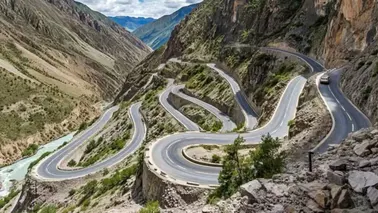
Embark on a remarkable road trip from Chengdu to Tibet! Following the winding path of G318 & G317 Highway, you can appreciate diverse landscapes from lush valleys to mountain ranges. These routes offer you a truly unforgettable journey through the most stunning areas of western Sichuan. Journey through Ya’an, Balang Mountain Pass, Yading Nature Reserve, you can make a detour to Nyingchi before reaching the awe-inspiring city of Lhasa.
-
![Chengdu Litang Rawuk Midui Nyingchi Lhasa G318 Overland Small Group Tour]() China Group Tour
China Group Tour10 Days Chengdu Litang Midui Nyingchi Lhasa G318 Overland Small Group Tour
Promo: In-depth Tour of G318 to discover the Beauty of Tibet
Dates & Price
![rili]()
![xiala]()
-
![Chengdu Jiaju Ganzi Namtso Lhasa Small Group Tour via Sichuan Tibet Highway G317]() China Group Tour
China Group Tour11 Days Chengdu Jiaju Ganzi Namtso Lhasa G317 Overland Small Group Tour
Promo: Exploring the Heart of Tibet Along the Scenic G317 Route
Dates & Price
![rili]()
![xiala]()
-
![G318 Sichuan-Tibet (Chengdu to Lhasa) Overland Group Tour]()
11 Days G318 Sichuan-Tibet (Chengdu to Lhasa) Overland Small Group Tour
Promo: World-classic Overland Road to Explore the Nature
Dates & Price
![rili]()
![xiala]()


Chengdu Tibet Self-driving Tour
Sichuan-Tibet Highway (G318&G317) is one of the most popular self-driving routes in China, which offers stunning scenery along the way, including Zheduo Mountain, Yalong River, and Bangda Grassland. We’ve carefully planned an 11-day Sichuan-Tibet self-driving tour, giving you a wonderful travel experience blending the excitement of driving on the road with natural and cultural enjoyment. You can choose to drive in your own vehicle or rent one. If you want to bring your own vehicle to Tibet, we can help you with the relevant paperwork. If you want to rent a car, you can choose from varied models according to your preferences. Join us in Chengdu and embark on the adventurous road trip to Tibet!
-
![11 Days Sichuan-Tibet G318 (Chengdu to Lhasa) Overland Self Drive Tour]()
11 Days Sichuan-Tibet G318 (Chengdu to Lhasa) Overland Self Drive Tour
Features:
Best for adventurous travelers
Drive through the vast southwest China
Pristine mountains and vast grasslandGroup size: Min.1 pax
Tour price: free enquire >
-
![Sichuan-Tibet G318 (Chengdu to Lhasa) Self-driving Small Group Tour]() China Group Tour
China Group Tour12 Days Sichuan-Tibet G318 (Chengdu to Lhasa) Self-driving Small Group Tour
Promo: Self-drive along the legendary Sichuan-Tibet Highway G318 linking Chengdu and Lhasa
Dates & Price
![rili]()
![xiala]()


FAQs on Chengdu Tibet Tour
Chengdu is relatively close to Tibet in travel terms. Lhasa is about 1,200 km away by air, making it one of the most convenient gateway cities to Tibet. Despite the distance, direct flights and railway connections make the journey fast and accessible.
2. What to see in Chengdu?Chengdu is not short of tourist spots, offering you an insight into the city’s spiritual essence.
Giant Panda Breeding Research Base: Giant pandas are favored by people around the world. This base focuses on breeding, conservation, and reintroducing pandas into the wild. You can see the cute giant pandas there and may have close contact with these animals.
Jinli Ancient Street: This street is deep in the local living ambience with colorful stores selling snacks and handicrafts. Walk in the avenue, you can also appreciate the classic Sichuanese architecture.
Chunxi Road: Visit the bustling commercial center, and you can have a taste of modern culture. Go shopping, taking photos, and savoring local dishes, and you can feel the city’s dynamics.
Taking a Tibet train from Chengdu to Lhasa, you can enjoy the stunning landscapes along the way.
Min Mountains: Heading to Qinghai Province, the train will traverse the majestic range in the northeastern part of China, which is known for its lush forests and diverse wildlife. You can witness the region's geological wonders and ecological richness.
Qinghai Lake: As the train departs Xining, you will be greeted by Qinghai Lake. Located in the northeast of the Tibetan Plateau, it is China’s largest alkaline salt lake. The heavenly blue lake is like a sapphire set in the land. The lake is located at the intersection of several bird migration routes. You may witness many species here during migration.
Delingha: The Delingha area offers a unique blend of diverse landscapes, including lakes, deserts, and mountains. On the train, you may catch sight of a serene blue lake surrounded by red rocks and colorful hills.
Cuona Lake: It’s the world’s highest freshwater lake and the closest lake to the Qinghai-Tibet Railway. Its clear and green waters reflect the blue sky and surrounding mountains.
Both the plane and the train from Chengdu to Lhasa have their advantages. Taking a flight from Chengdu to Lhasa is the fastest option. It usually takes about 2–3 hours, and is ideal for travelers with limited time. The Qinghai-Tibet Railway offers a slower but more scenic journey, allowing you to gradually acclimate to the high altitude while enjoying views of the Tibetan Plateau. If you prefer convenience and speed, choose the plane. If you value scenery and a smoother altitude adjustment, the train is a better option.
5. Can foreigners drive alone from Chengdu to Tibet?No. Foreigners are not allowed to drive independently from Chengdu to Tibet. The Tibet Travel Permit and other special travel permits are required, and foreign travelers must join a guided tour arranged by a licensed travel agency. Self-driving without a professional Tibetan guide and official permits is not permitted in Tibet due to local regulations.
6. What permits are needed to travel Tibet from Chengdu?To visit Tibet from Chengdu, you typically need the following permits:
Tibet Travel Permit: This permit is issued by the Tibet Tourism Bureau (TTB) and is required for all foreigners visiting Tibet.
Aliens' Travel Permit: Tourists venturing into partially restricted areas, such as Ngari Prefecture, need to obtain the Aliens’ Travel Permit through a Tibet Travel Agency (like Tibet Horizon).
Military Area Entry Permit: Travelers traveling along G318 Highway or visiting Lake Mansarovar and Mount Kailash need to apply for a Military Area Entry Permit.
Provisional Driving License: Travelers joining a self-driving trip in Tibet need to apply for a provisional driving license.
Our Tibet tour packages include the Tibet Travel Permit and all the necessary Tibet travel documents. If you book with us, we’ll assist you in applying for the permits needed to ensure a smooth and worry-free Chengdu Tibet tour.
7. What is the best time to visit Tibet from Chengdu?The climate of Chengdu is temperate, with relatively cold winters and hot, muggy, and rainy summers. The best time to visit Tibet from Chengdu is generally from April to June and from September to October. During these months, Chengdu sees mild temperatures and less rainfall, making it suitable for traveling. The weather in Tibet during this period is relatively stable, with clear skies and mild temperatures, making it ideal for enjoying the stunning views on this plateau. In addition, you can experience the grand Saga Dawa Festival in May. In summer, the weather may be rainy, but tourists can witness the celebration of the Shoton Festival. Winter in Tibet is not as cold as you might think, and you can enjoy a lower cost of transportation and accommodation, and feel less crowded as there are fewer tourists. Also, Losar, the Tibetan New Year, often falls in February or March.
8. Where to stay in Tibet?Major Tibetan cities like Lhasa, Shigatse, and Nyingchi offer more diverse options from 3-to 5-star hotels to local guesthouses. They provide basic to luxury facilities, all ensuring a comfortable stay. For travelers on private tours, you can choose according to your standards. However, in remote areas like Everest Base Camp and Mt. Kailash, only cozy tents and guesthouses are available.
9. What to eat during Chengdu Tibet Tours?Sichuan cuisine holds a great reputation in China. Traveling in Chengdu, you can taste Hotpot, Mapo Tofu, and other delightful dishes. Then, moving to Tibet, you can find unique Tibetan and Nepali cuisines there. Tibetan dishes include Yak Hotpot, Tibetan Sweet Tea, Tibetan Butter Tea, Roasted Pig, Tsampa, and Barley Wine. Nepali dishes feature chicken masala and various curries. You can find specialties of other Tibetan prefectures and cities, such as Stone Pot Chicken, a specialty of Nyingchi. You can also find Indian dishes and Western-style dishes in Lhasa.
10. Will I get altitude sickness in Tibet? How to deal with possible altitude sickness?Traveling on the Tibet Plateau with an average altitude of over 4,000 meters, it’s common for some tourists to experience altitude sickness. The symptoms of altitude sickness can include headache, nausea, and dizziness.
To minimize the effect of high altitude, it is important to allow time to acclimate to the high altitude and to take precautions to prevent altitude sickness. You should drink plenty of water, eat light meals, and avoid alcohol or caffeine. It is also recommended to take a slow path in the first two days after entering Tibet, avoiding strenuous activities like running.
If you feel uncomfortable, tell your guide. We have prepared oxygen tanks in our vehicles. You can inhale oxygen and take medication when necessary. If symptoms of altitude sickness persist or worsen, we’ll help transfer you to the hotel or hospital to seek medical attention immediately.


