-
1. How to get to Everest Base Camp?
Travelers can get to Tibet Everest Base Camp from Tibet or Nepal.
To reach the Everest Base Camp from the Tibet side, travelers can either take a flight or a train to Lhasa, the capital of Tibet, and then travel by road to the base camp. From Lhasa, it takes around 8-10 hours directly to Tibet EBC. Most tourists travel from Lhasa to Shigatse to Everest Base Camp for 4 days to enjoy the view along the way. An alternative is to take a bullet train from Lhasa to Shigatse, which only takes 2h20min, and then drive about 350km to EBC.
If traveling from Nepal, you will cross the Gyirong Border and then travel about 340km by road to Everest Base Camp.
-
2. What is the best time to visit Everest Base Camp?
The best time to visit Tibet is generally from April to June and from September to October. During these months, the weather is relatively stable, with clear skies and mild temperatures, making it ideal for enjoying the stunning views of Mount Everest and the surrounding Himalayan landscape.
-
3. What permits are needed to visit Everest Base Camp in Tibet?
To visit Everest Base Camp in Tibet, travelers typically need the following permits:
Tibet Travel Permit: This permit is issued by the Tibet Tourism Bureau (TTB) and is required for all foreign travelers visiting Tibet.
Aliens' Travel Permit: Travelers traveling to partially restricted areas such as EBC, Basumtso Lake, Samye Monastery, etc. need to obtain Aliens’ Travel Permit via Tibet Travel Agency (like Tibet Horizon).
Military Area Entry Permit: If you're extending your trip to military-sensitive areas such as Mount Kailash, Lake Mansarovar, etc, need to apply for a Military Area Entry Permit.
Chinese Group Visa: If you travel to Tibet from Nepal, you’ll need a Chinese Group Visa issued by the Embassy in Kathmandu.
Our Xizang tour packages include Tibet Travel Permit and all the necessary Tibet travel documents. If you book with us, we’ll help apply for the permits needed to ensure a smooth and worry-free EBC tour.
-
4. Where to stay at Everest Base Camp?
Currently, there are two options for accommodation at EBC. During the peak tourist season from April to October, tourists can stay in the tent camps. These camps provide basic facilities, such as food, beds, pillows and sheets. There’s no private bathroom in the camp. Staying in the tent guest house offers a unique opportunity to appreciate the snow-capped and mighty Mount Everest at close range. However, due to the cold weather and climate, the tents are not available during winter. In winter, Rongbuk Monastery Guesthouse is the only place to stay at Mount Everest in winter. The guesthouse also offers basic facilities and accommodation to visitors.
-
5. What are the photo spots at Everest Base Camp?
Gyawu La Pass offers you the first glimpse of Mount Everest and a panoramic view of this majestic mountain. Here you can take perfect photos of the snow mountain.
5200 Monument marks the elevation of Everest Base Camp where you can take a photo to commemorate your trip to EBC.
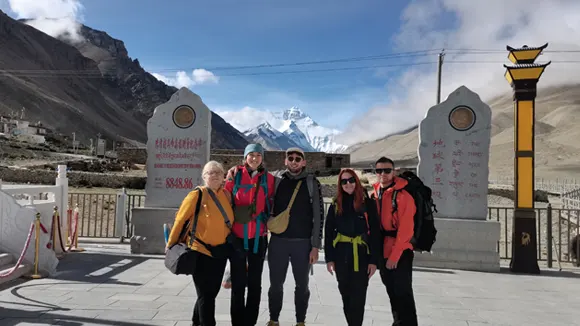
8848 Monument represents the elevation of Mount Everest. It is the closest viewing spot to Mt. Everest. You can take photos here with the monument and the majestic Everest.
Rongbuk Monastery also has a great view of the mountain and the sunrise and sunset of Mt. Everest. Whether you want to take photos of the natural scenes or the building itself, this is a perfect photo site for tourists.
-
6. What to pack for Everest Base Camp tour?
Firstly, bring a jacket to prepare for bad weather and huge temperature difference. Also, pack a pair of sneakers or hiking boots as you can’t avoid walking on the mountain paths. Bring some disposable underwear for easy changing.
Secondly, sun hats, sunglasses, face masks, and sunscreen are essential-UV rays on the plateau are no joke.
Thirdly, bring a small bag to carry some medicine in case of unexpected situations: stuff like Banlangen, band-aids, anti-diarrhea medicine, cold medicine, and glucose.
Also, since the weather is dry here, you’d better bring your lip balm and facial moisturizer.
-
7. How to deal with possible altitude sickness?
The average elevation of the region is over 4,000 meters, so it’s common for some tourists to experience altitude sickness. The symptoms of altitude sickness can include headache, nausea, and dizziness.
To minimize the effect of altitude sickness, it is important to allow time to acclimate to the high altitude and to take precautions to prevent altitude sickness. Travelers should drink plenty of water, eat light meals, and avoid alcohol or caffeine. It is also recommended to take a slow path in the first two days after entering Tibet, avoiding strenuous activities like running.
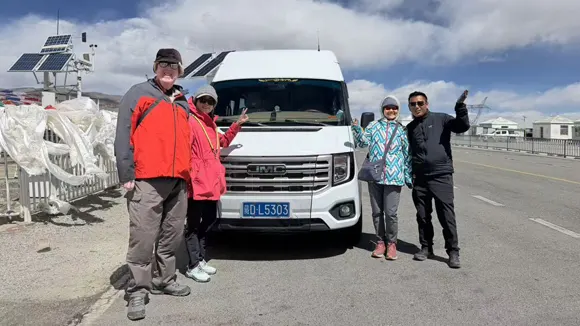
If you feel uncomfortable when visiting EBC, tell your guide. We have prepared oxygen tanks in our vehicles. You can inhale oxygen and take medication when necessary. If symptoms of altitude sickness persist or worsen, we’ll help transfer you to the hotel or hospital to seek medical attention immediately.

 inquiry@tibettourism.com


.webp)




.webp)



.webp)


.jpg)


