
 inquiry@tibettourism.com


.webp)


Tibetan Mastiff: Origin, Traits, Training & Where to See


.webp) Content
ContentTibetan Mastiffs originated on the Tibetan Plateau, where they have lived alongside Tibetan nomads and monks for thousands of years. Originally bred to guard livestock, homes, and monasteries from predators and intruders, they became known for their strength, courage, and loyalty. Read on to discover their history, characteristics, training, and where you can see them during your Tibet tour.
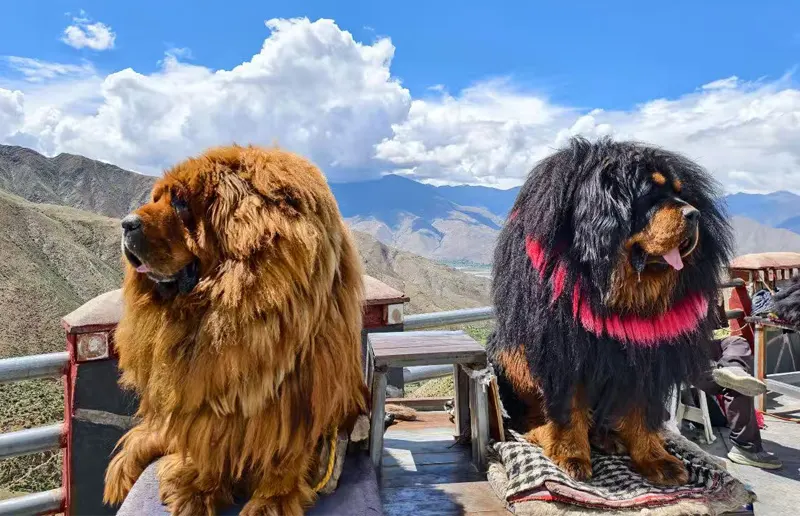 Tibetan Mastiffs
What Is the Origin and History of the Tibetan Mastiff?
The Tibetan Mastiff's history is wrapped in ancient mystery, tracing back thousands of years to the harsh landscapes of Central Asia. This long history helps explain its unique appearance, temperament, and strong protective instincts.
1) Where Do Tibetan Mastiffs Originally Come From?
The Tibetan Mastiff originated in the isolated, high-altitude regions of the Himalayan Mountains, primarily in Tibet (China), India, and Nepal. Guarded by treacherous terrain and geographic isolation, the breed developed for centuries without outside influence. Local nomadic tribes called them Do-Khyi, which translates to "tied dog," referencing how they were kept chained during the day and released at night to patrol.
2) What Was the Historical Role of These Dogs in Tibet?
Historically, the Tibetan Mastiff was bred as a livestock guardian dog rather than a hunting or herding dog. It protected sheep, yaks, and goats from predators such as wolves, snow leopards, and bears. Tibetan Mastiffs also guarded monasteries, villages, and family homes, often patrolling at night to warn of danger. Their courage, loyalty, and independence made them trusted companions in traditional Tibetan life and important symbols of protection in Tibetan culture.
3) How Did the Tibetan Mastiff Evolve into the Modern Breed We See Today?
As trade and exploration expanded in the 19th and 20th centuries, the Tibetan Mastiff became known outside the Himalayan region. The breed was introduced to Europe and later to North America, where kennel clubs established breeding standards to preserve its distinctive characteristics. Today, Tibetan Mastiffs are valued both as loyal companion dogs and as working guardians. While modern breeding has improved consistency in appearance, many Tibetan Mastiffs in remote areas of Tibet still perform their traditional role of protecting livestock and homes on the Tibetan Plateau.
What Are the Key Traits and Physical Characteristics of a Tibetan Mastiff?
The Tibetan Mastiff is famous for its impressive size, thick coat, and fearless personality. Understanding the physical characteristics of the Tibetan Mastiff can help you appreciate why it remains one of the world's most distinctive dog breeds.
1) How Big Do Tibetan Mastiffs Get? (Size, Weight, and Growth Chart)
The size of the Tibetan Mastiff qualifies them as a true giant dog breed. They grow slowly, often taking up to three years to fully mature. Adult males stand at least 26 inches tall at the shoulder and typically weigh between 90 and 160+ pounds. Females are slightly smaller, standing at least 24 inches tall and weighing between 70 and 120 pounds. Due to significant variations in lineage, gender, and individual characteristics, the following figures are for reference only.
| Age | Average Weight Range | Growth Stage |
|---|---|---|
| 0–6 months | 10–30 kg (22–66 lbs) | Rapid growth |
| 6–12 months | 30–50 kg (66–110 lbs) | Height increases quickly |
| 12–18 months | 45–60 kg (99–132 lbs) | Near adult height |
| 2–4 years | 68+ kg (150+ lbs) | Full muscle and body development |
| Age | Average Weight Range | Growth Stage |
|---|---|---|
| 0–6 months | 10–30 kg (22–66 lbs) | Rapid growth |
| 6–12 months | 30–50 kg (66–110 lbs) | Height increases quickly |
| 12–18 months | 45–60 kg (99–132 lbs) | Near adult height |
| 2–4 years | 68+ kg (150+ lbs) | Full muscle and body development |
2) What Does a Tibetan Mastiff Look Like? (Coat Colors and Distinctive Features)
The Tibetan Mastiff features a broad head, strong jaws, deep chest, and sturdy legs built for life in harsh alpine conditions. One of its most recognizable features is its thick double coat, which provides excellent insulation against freezing temperatures.
Common Tibetan Mastiff coat colors include:
Black
Black and tan
Brown
Red or golden red
Blue-gray
Sable
Many Tibetan Mastiffs have tan markings above the eyes, on the muzzle, chest, and legs. Adult males often develop a thick mane around the neck and shoulders, giving them a lion-like appearance.
3) What Is the Lifespan and General Health Profile of This Breed?
The average Tibetan Mastiff lifespan is 10 to 14 years, which is notably long for a giant dog breed. Despite their natural hardiness, the Tibetan Mastiff health profile includes risks for specific genetic conditions.
Common health concerns include:
Hip dysplasia
Elbow dysplasia
Hypothyroidism
Progressive retinal atrophy (PRA)
Entropion (an eyelid condition)
A balanced diet, regular exercise, routine veterinary care, and responsible breeding practices can help maintain a Tibetan Mastiff's health. Because of their thick coat, they are better suited to cool climates than hot and humid environments. With proper care, these loyal guardian dogs can enjoy a long, active, and healthy life.
What’s the Temperament of a Tibetan Mastiff?
The Tibetan Mastiff temperament is defined by loyalty, confidence, and strong protective instincts. Bred for centuries as a guardian on the Tibetan Plateau, this intelligent breed is naturally independent and alert. Understanding their personality is essential for anyone considering owning this powerful dog.
1) Are Tibetan Mastiffs Dangerous or Aggressive?
While not inherently malicious, a Tibetan Mastiff can be dangerous if improperly socialized or managed. Their natural guarding instincts make them intensely territorial and suspicious of strangers. Without firm leadership and extensive early socialization, their urge to protect their home and family can manifest as territorial aggression toward unfamiliar people or animals.
2) How Do Tibetan Mastiffs Behave Around Children and Other Pets?
Tibetan Mastiffs are generally gentle and loyal with the children in their own family. They are patient and protective, but their large size means young children should always be supervised during play. When raised together from an early age, Tibetan Mastiffs usually get along well with other household pets. However, they may be cautious around unfamiliar dogs, especially those of the same sex. Early socialization helps them develop good behavior around people and animals.
3) Do They Make Good Family Dogs for First-Time Owners? No!
Although the Tibetan Mastiff is a loyal and affectionate family companion, it is not usually recommended for first-time dog owners. This breed is intelligent but independent and often prefers to make its own decisions. It requires consistent training, firm leadership, and plenty of socialization from an early age. Experienced owners who understand large guardian breeds are more likely to succeed. With proper care, training, and enough space, a Tibetan Mastiff can become a devoted and reliable family dog.
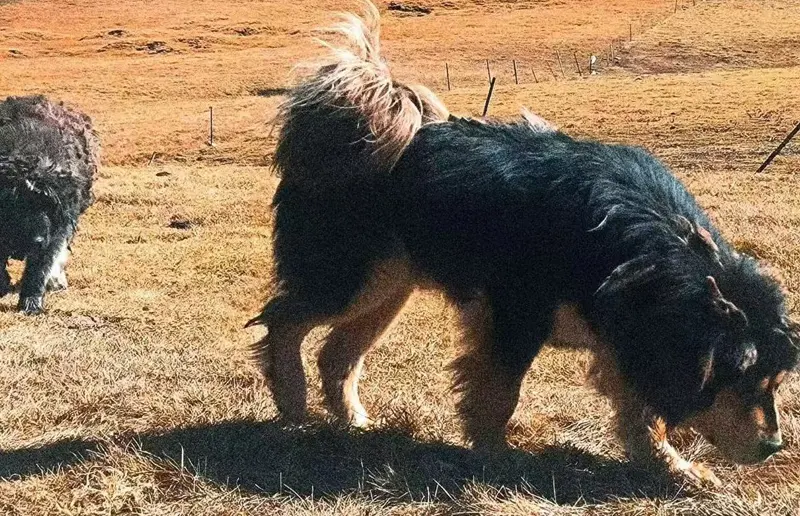 The Tibetan Mastiff
How Do You Train and Socialize a Tibetan Mastiff?
Mastering Tibetan Mastiff training requires an approach completely different from training standard domestic breeds. Because of their history as autonomous guardians, these dogs do not possess an innate desire to please humans. Starting training at an early age helps build good manners and allows the dog to become a reliable family companion.
1) Why Is Socialization Critical for a Tibetan Mastiff Puppy?
Tibetan Mastiff puppies should be introduced to new experiences between 8 and 16 weeks of age, when they are most receptive to learning. Regular positive interactions reduce fear, improve confidence, and help prevent excessive territorial or protective behavior as the dog matures.
2) What Are the Best Training Techniques for a Stubborn, Independent Breed?
The most effective Tibetan Mastiff training techniques rely on patient, firm, and highly consistent positive reinforcement. Because they are highly independent and easily bored, repetition-heavy training sessions will fail. Begin with basic commands such as sit, stay, come, and leave it, then gradually introduce more advanced obedience skills. Clear rules and daily practice help this independent breed understand expectations.
3) How Can You Manage and Prevent Their Intense Guarding Instincts?
To manage Tibetan Mastiff guarding instincts, owners must actively control the dog's environment and establish themselves as the decision-makers. Secure your property with tall, sturdy fencing to prevent escape and wandering. Additionally, controlled introductions with visitors and commands such as "leave it" and "quiet" help the dog learn appropriate responses. This training keeps its natural guarding instincts under control while encouraging calm and confident behavior.
Where Can You See or Buy a Tibetan Mastiff?
Because this giant breed is relatively rare outside of Central Asia, knowing where to observe them or how to navigate the purchasing process ethically is essential.
1) Where Can I See a Tibetan Mastiff in Person? (Shows, Kennels, and Events)
There are several ways to see a Tibetan Mastiff in person. Major dog shows, such as those organized by the American Kennel Club (AKC) or other national kennel clubs, often feature this breed. You can also visit reputable Tibetan Mastiff breeders and specialized kennels that welcome potential owners by appointment.
For a more authentic experience, travel to the Tibetan Plateau, where Tibetan Mastiffs still protect livestock, nomadic camps, monasteries, and rural homes. You may also see them in parts of Tibet, Qinghai, Sichuan, Nepal, and Bhutan, where the breed continues to play its traditional guardian role.
2) How Much Does a Tibetan Mastiff Puppy Cost?
The typical cost of a Tibetan Mastiff puppy from a reputable, ethical breeder generally ranges from $1,500 to $6,000. Prices vary depending on the puppy's pedigree, bloodline, coat quality, and the breeder’s reputation. Elite show-quality puppies or those from highly prized ancestral lineages can easily exceed $10,000. In addition to the purchase price, owners should budget for food, veterinary care, grooming, training, and other long-term expenses.
3) How Do You Find a Reputable Tibetan Mastiff Breeder or Rescue Organization?
Choose a reputable Tibetan Mastiff breeder who provides health records and raises well-socialized puppies. If you prefer adoption, consider a Tibetan Mastiff rescue organization. Always avoid puppy mills and sellers who cannot provide reliable health or breeding information.
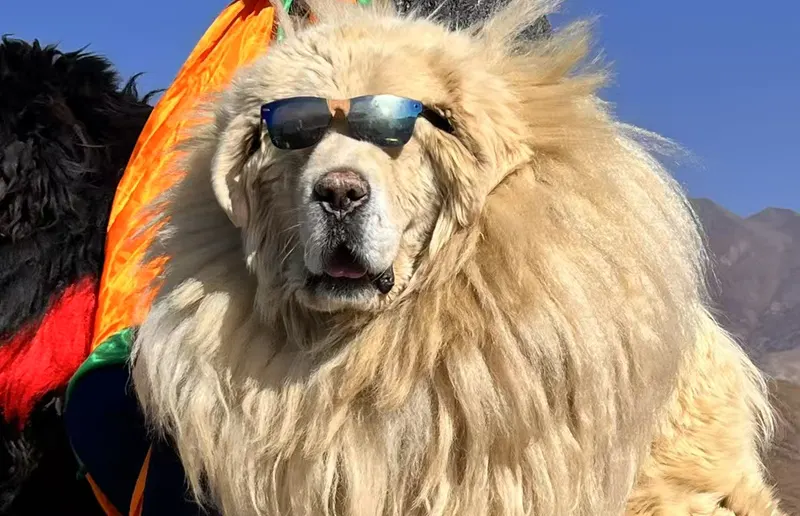 Tibetan Mastiffs in Yamdrok Lake
Conclusion
The Tibetan Mastiff remains one of the world's most iconic giant dog breeds, admired for its strength, loyalty, and protective nature. From its ancient origins as a guardian on the Himalayan Plateau to its striking lion-like appearance, this breed has earned a reputation for courage and endurance. However, its independent temperament and strong guarding instincts mean it requires experienced ownership, consistent training, and early socialization. Whether you hope to own one or simply see a Tibetan Mastiff in its native homeland, it remains one of Tibet's most enduring symbols of culture and tradition.
2 years exp.| 5.0
 | Reviews
Tell me about your travel plan or contact me via inquiry@tibettourism.com
Related Tibet Travel Guide and Advice


Most Popular Tibet Tour Packages
-
![15 Days Lhasa EBC Kailash Mansarovar Gyirong Sakya Shigatse Lhasa Join-in Group Tour]() Real Join-in Group Tour
Real Join-in Group Tour15 Days Lhasa EBC Kailash Mansarovar Gyirong Sakya Shigatse Lhasa Join-in Group Tour
Promo: Journey through the Himalayan mountains and lakes to uncover their mysteries
Dates & Price (More Traveler, Lower Price)
![rili]()
![xiala]()


Please share your contact information, so we can send you the answer directly by email.

