
 inquiry@tibettourism.com


.webp)


Tibetan Prayer Flags: Meaning, Colors, Symbols & Significance


.webp) Content
ContentTibet is a land of ancient customs, rich traditions, and deep spirituality. Tibetan prayer flags are an important part of Tibetan religious and cultural life. You can often see these colorful flags fluttering near monasteries, mountain passes, stupas, and other sacred sites. They are believed to carry prayers, blessings, and good wishes on the wind. Tibetan prayer flags are more than decorative items. They hold deep spiritual significance; their five colors and symbols represent core elements and beliefs in Tibetan tradition. Follow this guide to explore Tibetan prayer flags and make your trip to Tibet more meaningful.
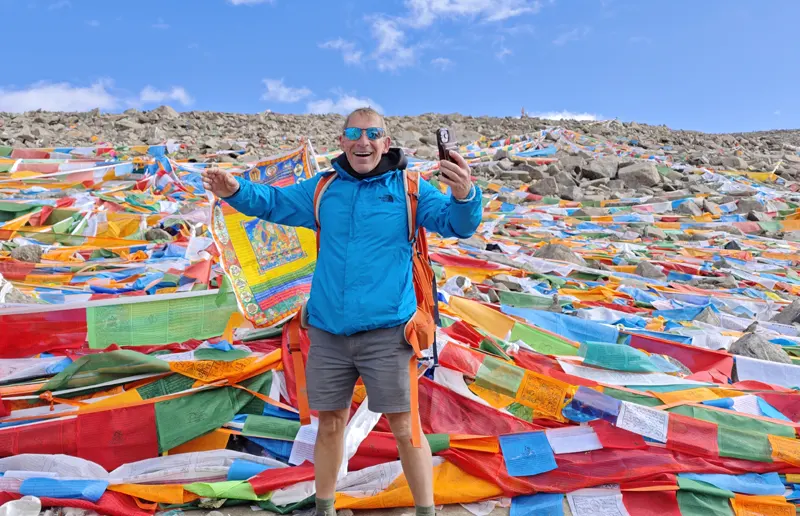 Tibetan Prayer Flags
What Are Tibetan Prayer Flags? (Origin & Purpose)
Tibetan prayer flags (Dar Cho) are sacred rectangular cloths printed with mantras and symbols. They are believed to use the power of nature to spread peace, compassion, and strength to the surrounding environment.
1) The Ancient Bon Tradition and Buddhist Origins
The tradition of hanging prayer flags dates back to the ancient Bon religion, which existed in Tibet before the spread of Buddhism. Early flags were used in rituals to seek protection and blessings from natural forces. As Tibetan Buddhism developed, the practice evolved and became part of Buddhist traditions. Today, Tibetan prayer flags combine elements of both Bon and Buddhist beliefs.
2) Why Are Prayer Flags Hung in High Places?
Tibetan prayer flags are often placed on mountain passes, hilltops, bridges, monasteries, and other elevated locations. High places allow the wind to move the flags freely and carry their prayers across the surrounding landscape. For Tibetans, these sacred locations also connect the natural world with spiritual beliefs, making them meaningful places for hanging prayer flags.
3) The Science of the Wind: Spreading Prayers (Lungta)
The Tibetan term lungta means “wind horse” and represents the power that carries prayers and blessings. As the wind moves the prayer flags, their printed mantras, prayers, and sacred symbols are traditionally believed to spread positive energy. The purpose is not simply to make a personal wish come true, but to promote peace, compassion, wisdom, and well-being for all beings.
The 5 Colors of Tibetan Prayer Flags & Their Meanings
The five colors of Tibetan prayer flags have deep symbolic meanings in Tibetan Buddhism. Each color represents an element, direction, and aspect of spiritual life. Together, the colors create a balanced system that reflects harmony, wisdom, and compassion.
1) The Sacred Color Order: Blue, White, Red, Green, Yellow
The colors follow a specific sequence: blue, white, red, green, and yellow. Maintaining this order preserves the symbolic balance of the five elements.
Blue symbolizes the sky and space.
White symbolizes the air and wind.
Red symbolizes fire.
Green symbolizes water.
Yellow symbolizes earth.
2) Element & Direction Associations for Each Color
Each prayer flag color is linked to an element and a direction. Blue represents space and the east, while white represents air and the south. Red is associated with fire and the west, green with water and the north, and yellow with earth and the center. These associations give the five Tibetan prayer flag colors their deeper spiritual meaning.
3) What Happens When You Change the Color Sequence?
The traditional color sequence of Tibetan prayer flags is an important part of their symbolism. Changing the order does not necessarily make the flags meaningless, but it can alter or weaken their traditional representation of the five elements and directions. For this reason, prayer flags are normally displayed in the established order of blue, white, red, green, and yellow.
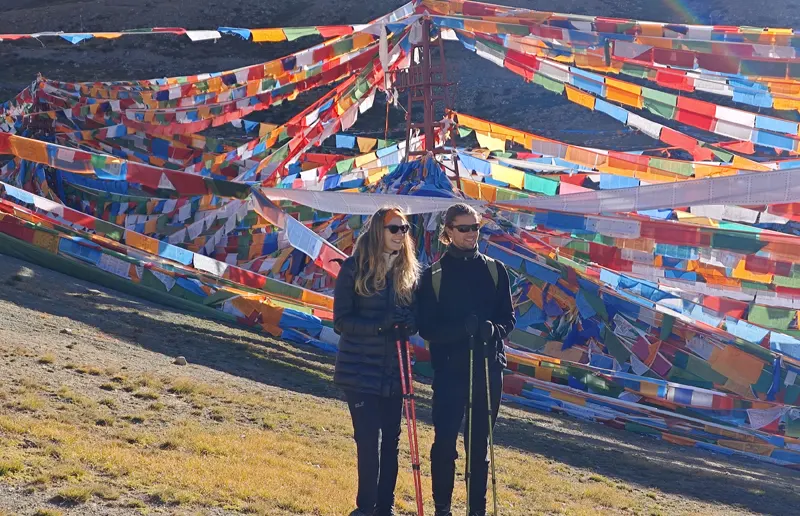 Tibetan Prayer Flags at Mount Kailash
Essential Symbols Found on Prayer Flags
Tibetan prayer flags feature sacred symbols, mantras, and images that express important Buddhist teachings and spiritual wishes. Far from mere decoration, each symbol carries a specific meaning related to protection, wisdom, compassion, or good fortune.
1) The Wind Horse (Lungta) and the 4 Sacred Animals
The wind horse (Lungta) is one of the most important symbols on Tibetan prayer flags. It represents vitality, good fortune, and the power to carry prayers through the wind. The four sacred animals surrounding the wind horse are the Garuda, Dragon, Snow Lion, and Tiger. Together, they represent different spiritual qualities, including wisdom, strength, fearlessness, and protection.
2) Sacred Mantras: Om Mani Padme Hum & Their Purpose
Om Mani Padme Hum is one of the most widely recognized mantras found on Tibetan prayer flags. It is closely associated with Avalokiteshvara (Chenrezig), the bodhisattva of compassion. The mantra represents compassion and is traditionally believed to bring blessings and positive energy as the wind carries it across the land.
3) Traditional Deities and Auspicious Symbols (Ashtamangala)
Tibetan prayer flags may also feature images of Buddhist deities and auspicious symbols known as the Ashtamangala, or Eight Auspicious Symbols. These include the Endless Knot, Lotus, Dharma Wheel, Conch Shell, Treasure Vase, Victory Banner, Golden Fish, and Parasol. Each symbol represents a positive quality or spiritual blessing, such as wisdom, prosperity, protection, and liberation.
Two Main Types of Flags: Lungta vs. Darchor
Tibetan prayer flags are commonly divided into two main types: Lungta and Darchor. Lungta, meaning “wind horse,” usually refers to horizontal prayer flags strung along ropes between trees, poles, or mountain passes. They are traditionally believed to spread blessings through the wind. Darchor are vertical prayer flags attached to tall poles and are often placed near monasteries, homes, and sacred sites. They are traditionally associated with strength, protection, and longevity.
Tibetan Prayer Flag Etiquette: Rules, Placement & Disposal
Tibetan prayer flags are sacred objects, so proper handling shows respect for Tibetan culture and Buddhist traditions. Their placement, timing, and disposal follow traditional customs. Understanding these basic practices can help travelers and visitors appreciate prayer flags without treating them as ordinary decorations.
1) How to Hang Prayer Flags Correctly at Home
When hanging Tibetan prayer flags at home, choose a clean and respectful place where the flags can move freely in the wind. Avoid placing them on the floor, near unclean areas, or where people might step over them. Hang horizontal Lungta flags securely and keep the traditional color order of blue, white, red, green, and yellow.
2) When to Hang and Take Down the Prayer Flags in Tibet
Prayer flags are traditionally hung on clean, elevated, and meaningful days, such as Tibetan New Year (Losar) and other important Buddhist occasions. They are often placed on rooftops, mountain passes, monasteries, and other sacred sites where the wind can carry their prayers and blessings. There is no fixed date for taking down prayer flags, as they are usually left in place until they naturally fade or become worn.
3) What to Do When Flags Fray or Fade (Proper Burning Ceremony)
Fraying and fading signal that the wind has carried the prayers away, so aged flags should never be thrown in the trash. Instead, burn them respectfully in a clean fire or let them decompose naturally outdoors while reciting mantras.
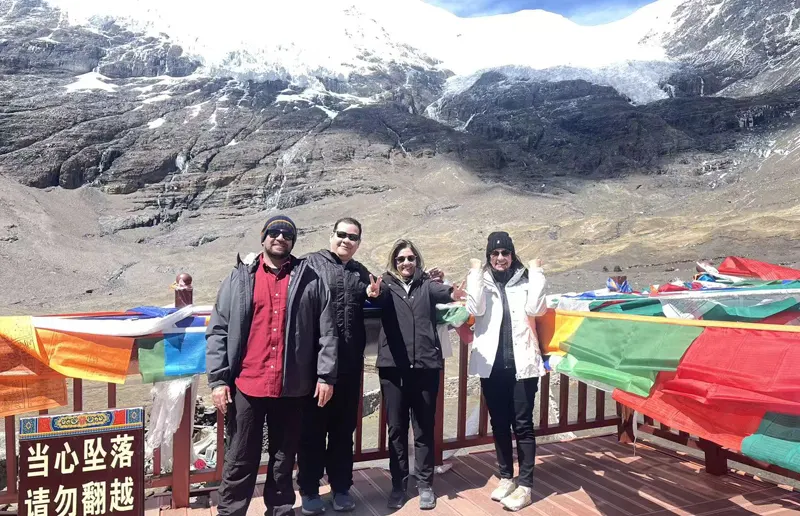 Tibetan Prayer Flags at the Karola Glacier
FAQs about Tibetan Prayer Flags
1) Is it OK for non-Buddhists to display Tibetan prayer flags?
Yes, you can display Tibetan prayer flags as long as you treat them with respect. You do not need to be Buddhist to appreciate their cultural and spiritual meaning. Hang them in a clean, elevated place and avoid using them as
ordinary decorations or placing them where people may step over them.
2) Can I buy prayer flags as gifts?
Yes, Tibetan prayer flags can be meaningful gifts for friends and family who appreciate Tibetan culture,
Buddhism, or spirituality. Choose traditionally made flags with authentic colors, mantras, and symbols. When
giving them, explain their cultural meaning and encourage the recipient to display them respectfully.
3) Where can I buy Tibetan prayer flags?
You can buy Tibetan prayer flags at local markets, handicraft shops, monasteries, and souvenir stores in Tibet.
In Lhasa, Barkhor Street is a popular place to find traditional prayer flags and other Tibetan handicrafts. For
authentic products, choose flags with traditional colors, mantras, and Buddhist symbols from reputable local
sellers.
Conclusion
Tibetan prayer flags are more than colorful decorations. Their five colors, sacred symbols, mantras, and traditional practices reflect the deep spirituality and cultural heritage of Tibet. While bringing them into your space creates harmony, nothing compares to experiencing their magic at its origin. We warmly welcome you to visit Tibet, walk beneath fluttering prayer flags, and experience its rich culture and spirituality firsthand.
2 years exp.| 5.0
 | Reviews
Tell me about your travel plan or contact me via inquiry@tibettourism.com
Related Tibet Travel Guide and Advice
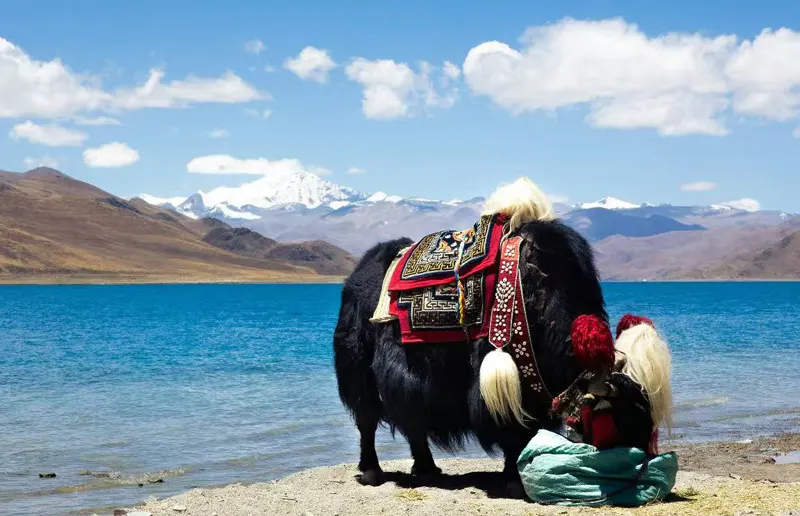


Most Popular Tibet Tour Packages
-
![Lhasa Everest Base Camp Kathmandu Overland Small Group Tour]() Small Group Tour
Small Group Tour7 Days Lhasa Everest Base Camp Kathmandu Overland Small Group Tour
Promo: Classic overland travel route from Lhasa to Kathmandu via Gyirong / Nyalam
Dates & Price
![rili]()
![xiala]()
-
![Lhasa Shigatse Mount Everest Small Group Tour]() Small Group Tour
Small Group Tour8 Days Lhasa Shigatse Mount Everest Small Group Tour
Promo: Once-in-a-lifetime chance to face the tallest mountain in the world
Dates & Price
![rili]()
![xiala]()
-
![Kathmandu to Lhasa Overland Small Group Tour with EBC]() Small Group Tour
Small Group Tour8 Days Kathmandu to Lhasa Overland Small Group Tour with EBC
Promo: Drive Across Himalaya Overland Tour with altitude rising slowly
Dates & Price
![rili]()
![xiala]()



.webp)


Please share your contact information, so we can send you the answer directly by email.

