
 inquiry@tibettourism.com


.webp)


Tibetan Culture and People: Traditions, Religion & Daily Life


.webp) Content
ContentTibet, known as the “Roof of the World,” is home to a rich and distinctive Tibetan culture. The high-altitude environment, spiritual traditions, and strong community values shape daily life on the plateau. Tibetan people maintain distinctive customs, religious practices, festivals, clothing, and food. These practices reflect their long history and beliefs. Today, their way of life continues to evolve while preserving a strong cultural identity. This guide explores Tibetan culture and people, with a closer look at their traditions, spiritual beliefs, and enduring customs.
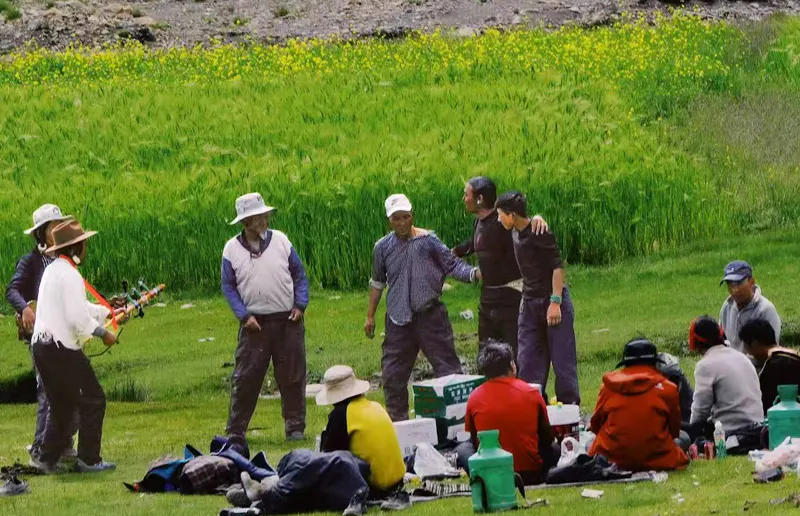 Tibetan People
Tibetan Religion & Spiritual Beliefs: The Heart of the Culture
Spiritual devotion forms the cornerstone of Tibetan identity, shaping everything from daily routines to grand architectural landmarks. On the high-altitude Tibetan Plateau, religion is not merely a practice—it is a lived experience defined by compassion, ancient philosophy, and sacred traditions.
1) Tibetan Buddhism (Vajrayana): Origins and Core Philosophy
Tibetan Buddhism, a form of Vajrayana Buddhism, developed in Tibet from Indian Buddhist traditions. It emphasizes compassion, wisdom, meditation, and the pursuit of enlightenment. Tibetan monasteries, stupas, and prayer flags are important symbols of Buddhist faith and spirituality. Common practices include prayers, mantras, meditation, and offerings. Followers seek to break Samsara, the cycle of suffering, through these devotional practices.
2) Sacred Rituals: Prayer Wheels, Prayer Flags, and Pilgrimages (Kora)
Daily life in Tibet is saturated with sacred rituals designed to accumulate positive karma:
Prayer Flags: Vibrant flags printed with mantras fly on mountain passes, sending blessings across the wind.
Prayer Wheels: Spinning cylinders containing sacred texts release spiritual merits with every turn.
Kora (Pilgrimage): Devotees walk circumambulatory routes around holy sites, temples, and sacred mountains such as Mount Kailash, often performing full-body prostrations.
3) Bon Religion: The Ancient Shamanistic Roots Pre-dating Buddhism
Bon is an ancient Tibetan religious tradition that predates the arrival of Buddhism. With its own unique rituals and sacred sites, Bon has profoundly shaped regional Tibetan traditions.
Ancient Traditions & Cultural Heritage of Tibet
Tibet’s rich cultural heritage reflects centuries of artistic devotion, architectural ingenuity, and vibrant community celebrations. Developed on the isolated high plateau, these ancient traditions preserve the spiritual depth and creative spirit of the Tibetan people.
1) Traditional Tibetan Architecture: Dzongs, Monasteries, and Mud-Brick Homes
Tibetan architecture is designed to withstand extreme mountain weather while serving spiritual and defensive needs. Built primarily from stone, rammed earth, and wood, notable structures include:
Monasteries & Dzongs (Fortresses): Massive, fortress-like complexes featuring sloping stone walls, flat roofs, and intricate gilded spires, exemplified by the Potala Palace and Jokhang Temple.
Residential Homes: Traditional mud-brick and stone houses painted with white facades, dark wooden window frames, and colorful prayer flags flying from the rooftops.
2) Tibetan Arts: Thangka Paintings, Woodblock Printing, and Sacred Crafts
Religious symbolism fuels Tibetan artistic craftsmanship, where creating art serves as a form of meditation:
Thangka Paintings: Intricate cotton or silk scrolls depicting Buddhist deities, mandalas, and spiritual narratives using natural mineral pigments.
Woodblock Printing: Traditional carving of wooden blocks used to hand-print sacred sutras, Buddhist texts, and prayer flags at ancient printing houses like Dege Parkhang.
Sacred Crafts: Skilled metalwork in bronze and brass for ritual objects, alongside hand-woven wool carpets and silver jewelry.
3) Festival Culture: Celebrating Losar (New Year) and Shoton Festival
Festivals play a vital role in Tibetan community life, marking seasonal shifts and religious milestones:
Losar (Tibetan New Year): The most significant celebration, marked by family reunions, house cleaning, ritual food preparations, and offerings at local temples.
Shoton Festival: Held in summer, featuring the dramatic unrolling of giant Thangka scrolls at Drepung Monastery, traditional opera performances, and eating yak yogurt.
4) Tibetan Performing Arts: Opera (Lhamo), Folk Dances, and Sacred Cham Dances
Performance art in Tibet bridges folklore, entertainment, and religious ritual:
Achi Lhamo (Tibetan Opera): A traditional folk opera combining singing, chanting, and masked storytelling based on Buddhist mythology and historical legends.
Folk Dances: Vibrant circle dances (such as Guozhuang) performed during harvest celebrations and social gatherings.
Cham Dance: A sacred ritual dance performed by Buddhist monks wearing elaborate costumes and terrifying masks to ward off evil spirits and purify the mind.
Daily Life of Tibetan People: Lifestyle, Food & Clothing
The daily routine of the Tibetan people seamlessly blends high-altitude adaptability with deeply ingrained spiritual habits. Their lifestyles vary from traditional pastoral communities to modern urban life. Food, clothing, language, and family traditions remain important parts of Tibetan culture.
1) Nomadic vs. Urban Life: Nomads on the Plateau and City Life in Lhasa
Traditionally, many Tibetan people lived as nomads or farmers across the Tibetan Plateau. Nomadic families moved with their livestock, especially yaks and sheep, in search of seasonal pastures. Today, some communities continue this traditional lifestyle. Others live in towns and cities such as Lhasa, where modern education, employment, and services are more accessible.
Tibetans also live beyond the borders of the Tibetan Autonomous Region. Communities can be found across neighboring Chinese provinces (Sichuan, Qinghai, Yunnan, Gansu), as well as in neighboring countries such as Nepal, India, and Bhutan.
2) Traditional Tibetan Cuisine: Tsampa, Butter Tea (Yak Butter), Momos, and Yak Meat
Tibetan food reflects the high-altitude environment and local resources. Highland barley, the primary staple, is roasted and ground into tsampa. Yak butter tea, momos, and yak meat are also popular traditional foods. These staples provide necessary energy and warmth in the cold plateau climate.
3) Traditional Clothing: Chuba Coat, Ornaments, and Regional Attire
Designed for the harsh alpine climate, the chuba—a long robe made of wool or sheepskin—provides essential warmth against bitter winds. Tibetan people also wear traditional ornaments, including silver jewelry, coral, and turquoise. Clothing styles vary by region, reflecting local climate, customs, and cultural identity.
4) Language & Literature: Tibetan Alphabet, Dialects, and Classical Texts
Tibetan people traditionally speak languages belonging to the Tibetic branch of the Sino-Tibetan language family. Tibetan has three main regional dialects: Ü-Tsang, Kham, and Amdo. The Tibetan alphabet has been used for centuries to record religious teachings, historical works, literature, and other texts. Classical Tibetan literature includes Buddhist scriptures, biographies, poetry, and historical writings.
Tibetan Family Values, Social Customs & Modern Life
Family values and social customs are important parts of Tibetan culture and daily life. Tibetan people traditionally place strong importance on family, community, hospitality, and mutual respect. At the same time, modern education, urbanization, and changing lifestyles continue to shape family life.
Family Life and Traditional Gender Roles
Family has traditionally played a central role in Tibetan society. Family members often support each other in daily life, work, and important ceremonies. Traditional households also had clear gender roles, with men and women often taking different responsibilities.
Men's Responsibilities: Typically focused on heavy outdoor labor, long-distance trade caravans, livestock management on pasturelands, and community affairs.
Women's Responsibilities: Managed domestic life, family finances, childcare, milking, and processing dairy products like butter and cheese.
Modern education and career opportunities have shifted these traditional dynamics in urban areas. However, mutual respect between partners remains a cornerstone of the Tibetan household.
Tibetan Hospitality, Courtesy & Respect
Tibetan people are known for their hospitality and warm welcome to guests. Offering food, tea, or a place to rest is a common way to show kindness and respect. Showing respect for Tibetan customs, religious practices, elders, and sacred places is also highly valued.
FAQs about Tibetan Culture and People
1) How many Tibetans are there?
There are around 7 million Tibetans worldwide, with the majority living in the Tibet Autonomous Region and other
Tibetan-inhabited areas of China. Tibetan communities are also found in India, Nepal, Bhutan, and other
countries. The exact number varies by source and census method.
2) What is special about Tibetan people?
Tibetan people are known for their rich cultural heritage, strong spiritual traditions, and deep connection to
the Tibetan Plateau. Their distinctive Tibetan culture is reflected in their language, religion, festivals,
clothing, food, art, and close-knit community values. Their traditional way of life also shows remarkable
adaptability to the high-altitude environment.
3) Why do Tibetans drink butter tea every day?
Butter tea is a traditional drink in Tibetan daily life. Made with tea, churned yak butter, and salt, butter tea
offers high calories to combat the frigid climate while preventing chapped lips and aiding digestion. The rich
fats prevent lips from chapping in the dry, windy climate while aiding in the digestion of heavy diets like
tsampa and yak meat. It is also commonly served to guests as a sign of Tibetan hospitality.
4) What is the significance of colored prayer flags?
The five colors of Tibetan prayer flags represent the five elements: blue for sky, white for air, red for fire,
green for water, and yellow for earth. They are traditionally printed with prayers, mantras, and sacred images.
As the wind moves the flags, these prayers are believed to spread blessings, peace, compassion, and positive
energy to all beings.
5) How do Tibetan nomads survive the harsh climate?
Tibetan nomads adapt to the harsh plateau climate through traditional knowledge and a mobile lifestyle. They
raise yaks, sheep, and other livestock that are well suited to high-altitude conditions. They use warm wool and
sheepskin clothing and live in sturdy tents or other insulated shelters. Their diet also provides the energy
needed for life in harsh terrain.
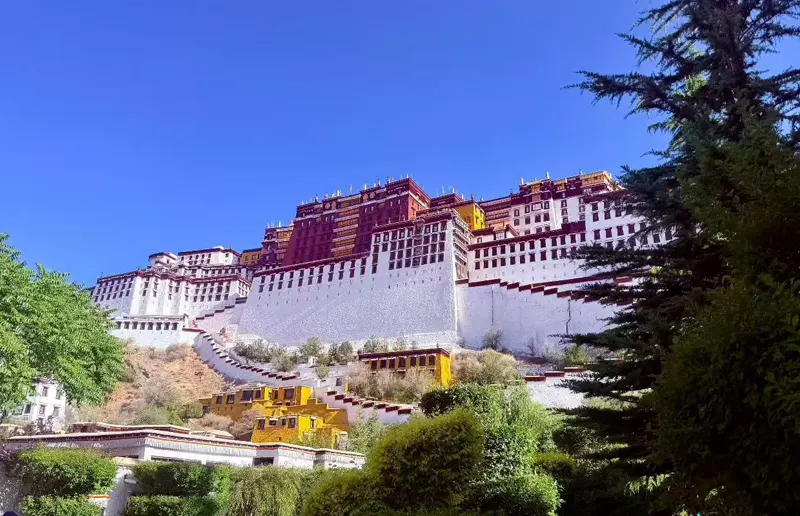 Potala Palace
Conclusion
Tibetan culture is shaped by its unique environment, spiritual traditions, and strong community values. Tibetan people continue to preserve their traditions through religion, festivals, food, clothing, art, language, and family life. While modernity brings subtle changes, traditional customs remain integral to Tibetan identity. Understanding these traditions offers a deeper insight into the history, beliefs, and daily life of Tibetan people.
10 years exp.| 5.0
 | Reviews
Tell me about your travel plan or contact me via inquiry@tibettourism.com
Related Tibet Travel Guide and Advice


Most Popular Tibet Tour Packages
-
![Lhasa Everest Base Camp Kathmandu Overland Small Group Tour]() Small Group Tour
Small Group Tour7 Days Lhasa Everest Base Camp Kathmandu Overland Small Group Tour
Promo: Classic overland travel route from Lhasa to Kathmandu via Gyirong / Nyalam
Dates & Price
![rili]()
![xiala]()
-
![Lhasa Shigatse Mount Everest Small Group Tour]() Small Group Tour
Small Group Tour8 Days Lhasa Shigatse Mount Everest Small Group Tour
Promo: Once-in-a-lifetime chance to face the tallest mountain in the world
Dates & Price
![rili]()
![xiala]()
-
![Kathmandu to Lhasa Overland Small Group Tour with EBC]() Small Group Tour
Small Group Tour8 Days Kathmandu to Lhasa Overland Small Group Tour with EBC
Promo: Drive Across Himalaya Overland Tour with altitude rising slowly
Dates & Price
![rili]()
![xiala]()



.webp)


Please share your contact information, so we can send you the answer directly by email.

