
 inquiry@tibettourism.com


.webp)


Tibetan Language Guide: Basic Phrases, Greetings & Useful Words for Tibet Tour


.webp) Content
ContentWhat language is spoken in Tibet? The primary language of Tibet is Tibetan, an indigenous Sino-Tibetan language with distinct regional dialects like Lhasa, Amdo, and Kham. Is Tibetan a difficult language to learn? For travelers who only need basic communication, Tibetan is not difficult to pick up. Learning a few basic Tibetan phrases, greetings, and useful words can greatly enhance your Tibet tour, helping you connect with locals and understand Tibetan culture. This Tibetan language guide introduces the essential expressions every traveler should know when visiting Tibet.
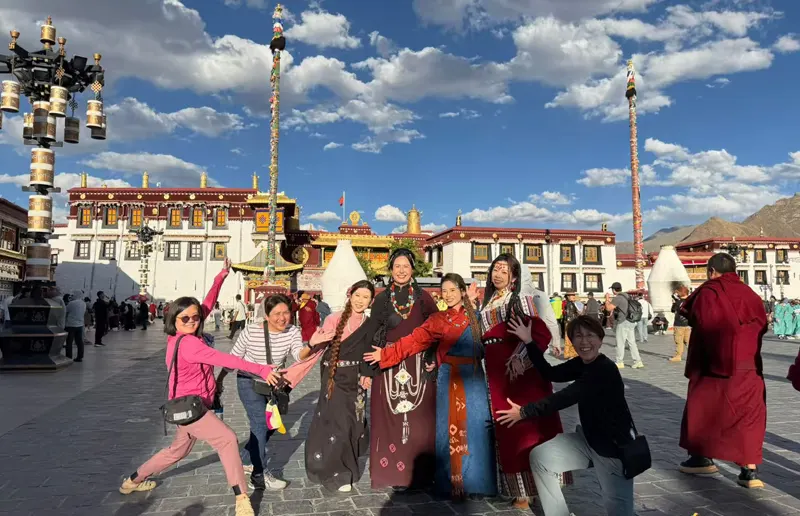 Visiting Tibet
The Core Greetings: How Do You Greet Someone in Tibet?
Greetings are an important part of the Tibetan language and reflect the warmth and respect of Tibetan culture. Learning some essential Tibetan greetings can enrich your tour, making it easier to break the ice with locals. From saying "Tashi Delek" to using common daily expressions, this simple guide can enrich your travel experience in Tibet and foster friendly interactions.
What is the Meaning of "Tashi Delek" and How Do You Pronounce It?
To say hello in Tibetan, the most common and respectful greeting is "Tashi Delek" (བཀྲ་ཤིས་བདེ་ལེགས་). Pronounced as "TAH-shee deh-LEK," it literally translates to "blessings, good luck, and good fortune." Unlike a casual Western "hi," Tashi Delek carries a deep spiritual and cultural wish for wellness. Saying "Tashi Delek" is a simple and respectful way to greet local people during your Tibet tour.
How to Say Good Morning, Good Night, and Goodbye in Tibetan?
While Tashi Delek works perfectly at any time of the day, you can also learn a few time-specific greetings and warm farewells. Here is a quick-reference vocabulary table for daily time-of-day greetings and partings:
| English | Tibetan Language | Phonetic Pronunciation | Usage Note |
|---|---|---|---|
| Hello / Blessings | བཀྲ་ཤིས་བདེ་ལེགས། | TAH-shee deh-LEK | Universal greeting used anytime |
| Good Morning | སྔ་དྲོ་བདེ་ལེགས། | NGA-to deh-LEK | Used from dawn until noon |
| Good Night | མཚན་མོ་བདེ་ལེགས། | TSEN-mo deh-LEK | Used when retiring to bed |
| Goodbye (Stay well) | ག་ལེར་བཞུགས། | Ga-leh bzhug | Said by the person leaving to the person staying |
| Goodbye (Go well) | ག་ལེར་ཕེབས། | Ga-leh PHEB | Said by the person staying to the person leaving |
| English | Tibetan Language | Phonetic Pronunciation | Usage Note |
|---|---|---|---|
| Hello / Blessings | བཀྲ་ཤིས་བདེ་ལེགས། | TAH-shee deh-LEK | Universal greeting used anytime |
| Good Morning | སྔ་དྲོ་བདེ་ལེགས། | NGA-to deh-LEK | Used from dawn until noon |
| Good Night | མཚན་མོ་བདེ་ལེགས། | TSEN-mo deh-LEK | Used when retiring to bed |
| Goodbye (Stay well) | ག་ལེར་བཞུགས། | Ga-leh bzhug | Said by the person leaving to the person staying |
| Goodbye (Go well) | ག་ལེར་ཕེབས། | Ga-leh PHEB | Said by the person staying to the person leaving |
Essential Tibetan Vocabulary: Showing Respect & Addressing Locals
Building a basic vocabulary is just as important as mastering daily phrases. Showing respect when greeting local people can help you build friendly connections and enjoy a more meaningful travel experience in Tibet.
How Do You Show Respect When Greeting Monks, Elders, and Hosts?
Respect is a core value in Tibetan culture. When greeting monks, elders, and hosts, say "Tashi Delek" with a smile and a slight nod. Use both hands when offering or receiving gifts, tea, or ceremonial scarves. Avoid touching another person's head or pointing directly at sacred objects. Speaking politely and using respectful greetings shows good manners and leaves a positive impression on local people.
Useful Tibetan Words for Questions and Daily Conversations
Learning a few useful Tibetan words can make daily interactions more comfortable and enjoyable. Simple expressions such as "Yes," "No," "Please," and "Thank you" are helpful when shopping, asking for directions, or meeting local people. Below is the essential traveler's toolkit for daily interactions:
| English | Tibetan Language | Phonetic Pronunciation |
|---|---|---|
| Thank You | ཐུགས་རྗེ་ཆེ། | Thuk-je-che |
| Please / Please help me | རོགས་རམ། | Rog-nang |
| Yes | རེད། | Re |
| No | མ་རེད། | Ma-re |
| Excuse Me / Sorry | དགོངས་པ་མ་ཚོམ། | Gong-pa-ma-tshom |
| I don't understand | ཧ་གོ་མ་སོང་། | Ha-go-ma-song |
| How much is it | ག་ཚོད་རེད། | Ga-tshod re |
| English | Tibetan Language | Phonetic Pronunciation |
|---|---|---|
| Thank You | ཐུགས་རྗེ་ཆེ། | Thuk-je-che |
| Please / Please help me | རོགས་རམ། | Rog-nang |
| Yes | རེད། | Re |
| No | མ་རེད། | Ma-re |
| Excuse Me / Sorry | དགོངས་པ་མ་ཚོམ། | Gong-pa-ma-tshom |
| I don't understand | ཧ་གོ་མ་སོང་། | Ha-go-ma-song |
| How much is it | ག་ཚོད་རེད། | Ga-tshod re |
Dining & Food: How Do You Order Food in Tibet?
Food is an important part of the Tibet travel experience. Mastering a few basic Tibetan phrases for dining ensures you can confidently order authentic dishes and communicate your dietary preferences to the staff.
1) How Do You Order "Sweet Tea" (Cha Ngamo) or "Butter Tea" (Po Cha)?
To order traditional beverages, you can simply state the name of the drink followed by the polite request "Nang" (which means "please give me"). For a cup of sweet tea, say "Cha Ngamo nang", and for traditional Tibetan butter tea, ask for "Po Cha nang". If you are ordering for a group, you can ask for a flask by adding the word "Dama" (e.g., "Cha Ngamo dama chik nang" for one flask of sweet tea).
2) What Is the Tibetan Phrase for "I’m Vegetarian" or "Not Spicy, Please?"
If you have dietary preferences, it is helpful to learn a few basic Tibetan phrases before traveling to Tibet. To state that you are a vegetarian, use the phrase "Nga sha za-gi-meh" (which literally translates to "I do not eat meat"). If you want to request a dish without any chili or spice, look at your server and say "Kha-tsa ma-loo" (Not spicy, please).
3) How Do You Say "Delicious" to Compliment Your Local Host?
Complimenting food is a polite way to show appreciation in Tibetan culture. Learning how to say "Delicious" in the Tibetan language can help you express gratitude to your local host or restaurant staff. The most common Tibetan word for delicious is "Shim-po". To make it more enthusiastic and say "Very delicious," use the phrase "She-trak shim-po do" while giving a friendly nod or a thumbs-up.
Tibetan Cultural Etiquette: What Language Mistakes Should You Avoid?
When using the Tibetan language, you should avoid speaking too loudly, using slang, or addressing monks and elders too casually. Do not assume that all Tibetans speak English or Mandarin. A few basic Tibetan greetings, such as "Tashi Delek," are always deeply appreciated. Speaking politely, listening carefully, and showing respect for Tibetan culture and local customs will help you make a positive impression during your Tibet tour.
FAQs about Tibetan Language
1) Can Tibetans speak English?
Some Tibetans, especially tour guides, hotel staff, and people working in the tourism industry in Lhasa, can
speak basic or fluent English. However, English is not widely spoken in many rural areas, monasteries, and
remote regions such as Mount Kailash and the Everest region. Most local people communicate in Tibetan or
Mandarin Chinese. Mastering a few basic Tibetan phrases can make your Tibet tour easier and help you connect
with local people.
2) Will I face a language barrier when traveling in Tibet?
Please rest assured that you will not face a language barrier when traveling in Tibet, even if you do not speak
any Tibetan. According to the Tibet Tourism Bureau regulations, international travelers must join an organized
tour accompanied by a licensed tour guide. Your certified guide will speak English and assist with all
communication at hotels, restaurants, and attractions. Most importantly, mastering a few basic Tibetan phrases
remains highly rewarding for your journey.
3) How can I learn more about the Tibetan language in Tibet tour?
A great way to experience the Tibetan language more deeply during your Tibet tour is to watch the famous monk debates at Sera Monastery.
From 3:00 pm to 5:00 pm, Monday to Saturday, you can see young Tibetan Buddhist monks engaged in lively debates in the shaded debate courtyard of Sera Monastery. You will hear precise, rhythmic, and energetic Tibetan conversations, often mixed with formal religious terms. During the visit, our guide will accompany you, explain the debate structure, and help you understand the meanings behind the claps, gestures, and facial expressions. The atmosphere is both intense and inspiring. Even if you do not understand the Tibetan language, you can still feel the monks' concentration and the depth of their learning.
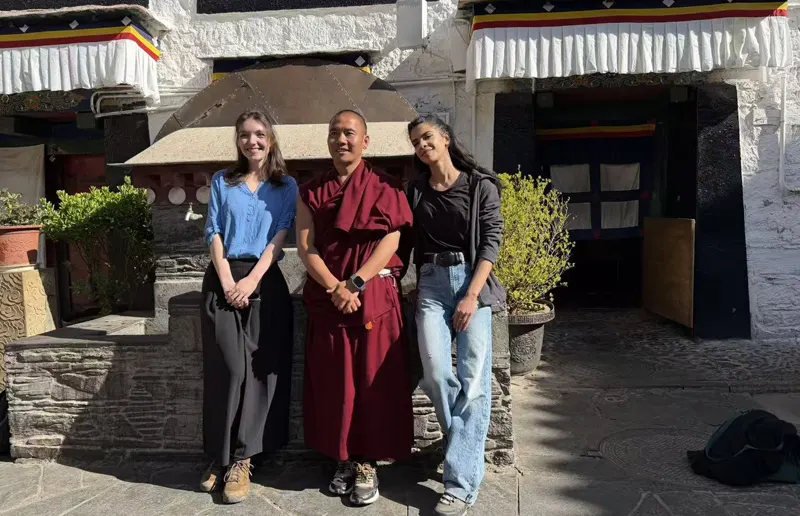 Tibet tour
Conclusion
Understanding some basic Tibetan can make your Tibet tour more enjoyable and meaningful. Simple expressions and polite greetings can help you communicate with local people, show respect for Tibetan culture, and create memorable experiences. Even though a language barrier is rarely a problem on an organized Tibet tour, knowing a bit of the local language can greatly enrich your journey.
2 years exp.| 5.0
 | Reviews
Tell me about your travel plan or contact me via inquiry@tibettourism.com
Related Tibet Travel Guide and Advice


Most Popular Tibet Tour Packages
-
![9 Days Lhasa Mount Everest Base Camp Namtso Join-in Group Tour]() Real Join-in Group Tour
Real Join-in Group Tour9 Days Lhasa Mount Everest Base Camp Namtso Join-in Group Tour
Promo: Classic trails to discover natural and cultural splendors of Tibet
Dates & Price (More Traveler, Lower Price)
![rili]()
![xiala]()


Please share your contact information, so we can send you the answer directly by email.

