
 inquiry@tibettourism.com


.webp)


Tibetan Singing Bowls: Origins, Uses, Benefits & How to Play


.webp) Content
ContentTibetan singing bowls are renowned for their rich tones and calming vibrations. Rooted in Himalayan tradition and ancient Buddhist practices, these instruments are widely used for meditation, relaxation, and sound healing. This ultimate guide covers their history, scientific and wellness benefits, selection criteria, and practical techniques. We also welcome you to visit Tibet, experience its unique spiritual atmosphere, and discover the cultural traditions behind these traditional bowls firsthand.
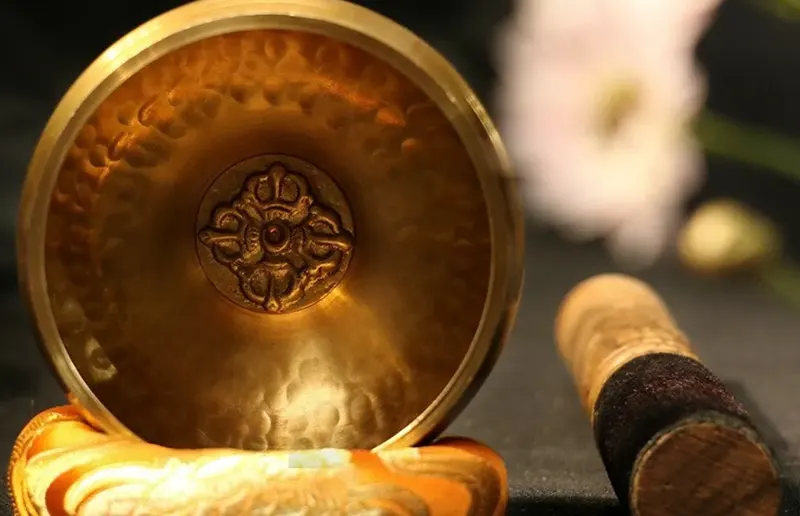 Tibetan Singing Bowls
What is a Tibetan Singing Bowl and Where Did It Come From?
A Tibetan singing bowl is a specialized inverted bell that produces rich, sustained musical tones when struck or rubbed with a mallet. Originating in the Himalayan region centuries ago, these unique Tibetan bowls served both practical and spiritual functions in traditional Asian cultures. Today, their ancient craftsmanship and unique acoustics make them essential tools for modern meditation, sound healing, and mindfulness.
The Ancient Origins and Cultural History
The history of Tibetan singing bowls is closely connected to Himalayan culture, ancient shamanic rituals, and Tibetan Buddhism. These metal bowls may have originally been used as cooking vessels, storage containers, or ritual objects. Over time, people discovered that they could produce deep, resonant sounds. Monks and healers later incorporated Tibetan bowls into prayer ceremonies, meditation, and holistic healing across Tibet, Nepal, and India.
Traditional Craftsmanship: How Tibetan Singing Bowls Are Made?
Traditional Tibetan singing bowls are traditionally crafted from metal alloys through careful hand-hammering and heating. The seven metals are traditionally associated with seven celestial bodies: gold with the Sun, silver with the Moon, mercury with Mercury, copper with Venus, iron with Mars, tin with Jupiter, and lead with Saturn. Each bowl has a unique tone and vibration influenced by its size, shape, and craftsmanship. This traditional process gives Tibetan bowls their distinctive character and rich harmonic sound.
How Do Tibetan Singing Bowls Affect Your Body?
Many people use Tibetan singing bowls during meditation, relaxation, and mindfulness practices. Understanding how their sounds and vibrations may affect the body helps explain why Tibetan bowls are widely used for sound healing and mind-body relaxation.
1) Stress Reduction & Nervous System Calming
The sounds of Tibetan singing bowls can create a peaceful atmosphere and promote relaxation. The resonant tones of a singing bowl help quiet a busy mind and soothe the nervous system. By encouraging slower breathing and a reduced heart rate, these sound waves effectively ease muscle tension and reduce feelings of stress.
2) Enhanced Focus in Mindfulness
Tibetan singing bowls can provide a simple sound focus during meditation. The sustained tones help practitioners stay focused on the present moment and reduce distractions. For practical guidance, explore where and how to practice Tibetan meditation to create a calm setting and develop a more focused mindfulness routine.
3) Brainwave Entrainment & Sleep Improvement
The continuous tones of Tibetan singing bowls may support brainwave entrainment and encourage a more relaxed mental state. During relaxation or meditation, Tibetan singing bowls may encourage a shift from active Beta waves to calmer Alpha and Theta states associated with meditation and deeper relaxation. These soothing sounds may help reduce mental fatigue and create a peaceful state before sleep. Listening to Tibetan singing bowls before bedtime can also support a relaxing routine and better sleep quality.
What Is the Purpose of a Tibetan Singing Bowl Today?
While historically rooted in spiritual rituals, the modern purpose of a Tibetan singing bowl focuses largely on personal wellness, stress management, and therapeutic healing. Their rich tones and gentle vibrations create a calm environment for personal and group practices. From professional wellness sessions to simple home routines, Tibetan bowls have become popular tools for supporting relaxation and mental well-being.
1) Sound Baths and Therapy Sessions
Tibetan singing bowls are often used in sound baths and wellness sessions. Practitioners play several bowls to create layers of resonant tones and vibrations. Participants lie comfortably as the rich vibrations of the Tibetan bowls wash over them, promoting profound emotional release and mental clarity.
2) Chakra Balancing and Energy Work
Some practitioners use Tibetan singing bowls in chakra balancing and energy work. Different tones may be associated with specific chakras in modern sound healing practices. These practices focus on relaxation, meditation, and personal awareness. Chakra balancing is a spiritual wellness practice rather than a medically proven treatment.
3) Daily Home Practice and Workplace Wellness
You can easily include a Tibetan bowl in your daily meditation or relaxation routine at home. A few minutes of gentle playing can support mental clarity and create a quiet space. In the workplace, Tibetan singing bowls can support stress-busting micro-breaks, mindfulness, and a calmer mind.
Where to Experience Authentic Tibetan Singing Bowls in Tibet?
Lhasa is one of the best places to experience authentic Tibetan singing bowls and their cultural traditions. Around Barkhor Street, you can find traditional handicraft shops and local markets selling Tibetan bowls in different sizes and styles. In and around Tibetan Buddhist temples, you may also hear singing bowls used in religious and meditation practices. Local handicraft markets offer another chance to meet artisans and learn about traditional craftsmanship. These experiences provide a closer look at the cultural role of Tibetan singing bowls in everyday life and spiritual traditions.
How to Choose the Right Tibetan Singing Bowl for You?
Choosing the right Tibetan singing bowl depends on its material, size, sound, and intended use. Think about whether you want a bowl for meditation, relaxation, sound baths, or home decoration. Comparing different types of Tibetan bowls can help you find one that matches your needs and preferences.
1) Traditional Metal Bowls vs. Modern Crystal Singing Bowls
Traditional Tibetan singing bowls are hand-crafted from a multi-metal alloy, producing warm, earthy tones with rich overtones and long-lasting physical vibrations. In contrast, modern quartz crystal singing bowls produce bright, extremely loud, and precise single frequencies. If you prefer rich historical craftsmanship and subtle harmonic depth, choose classic metal Tibetan bowls. If you want powerful volume and precise pitch alignment, a modern crystal bowl may suit your needs better.
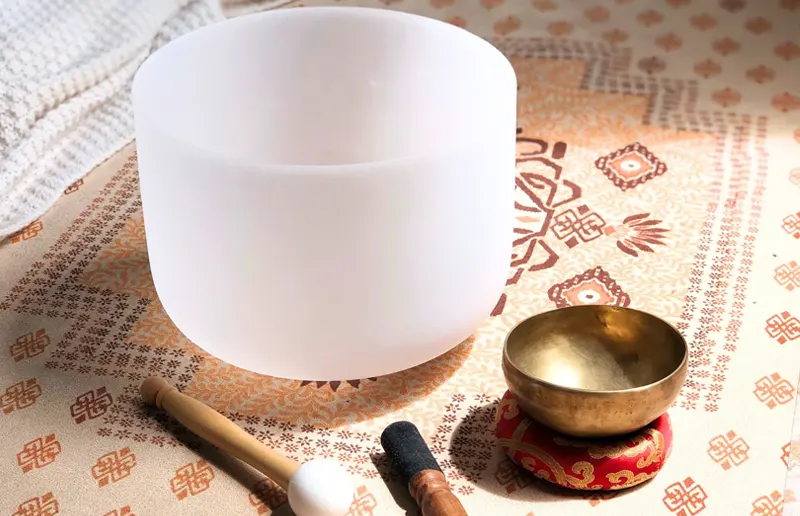 Traditional Metal Bowls vs. Modern Crystal Singing Bowls
2) Selecting Tone, Size, and Pitch for Your Needs
The size and shape of a Tibetan singing bowl can affect its tone, resonance, and volume. Smaller Tibetan bowls usually produce higher-pitched tones. They can be a good choice for short meditation sessions or quiet breaks. Larger Tibetan bowls often produce deeper, lower tones. These sounds are commonly used for meditation, sound baths, and relaxation. For beginners, a medium-sized Tibetan bowl is easy to handle and suitable for meditation and daily practice.
3) How to Tell If a Singing Bowl Is Real?
Authentic hand-hammered bowls exhibit subtle surface imperfections, unique hammer marks, and complex, layered overtones that sustain over time. In contrast, mass-produced machine-made bowls feature perfectly smooth surfaces and uniform, short-lived tones. When purchasing, focus on sound complexity and vendor transparency rather than questionable 'antique' labels."
How Do You Use a Tibetan Singing Bowl (Step-by-Step for Beginners)
Using a Tibetan singing bowl is simple with the right technique. This beginner step-by-step guide walks you through holding, striking, and playing your Tibetan bowl to achieve optimal sound and deep relaxation.
Step 1: Choosing the Right Striker or Mallet
Choose a striker or mallet that matches the size and thickness of your Tibetan singing bowl. A padded mallet is often suitable for beginners because it can produce a soft, warm tone. A wooden striker can create a brighter and clearer sound. Hold the mallet gently and avoid gripping it too tightly.
Step 2: The Rim Technique: Making the Bowl "Sing"
Place the Tibetan singing bowl on your open, flat palm rather than gripping or holding the bowl with your fingers. Hold the mallet loosely and touch the outer rim gently. Move the mallet around the rim at a steady speed with light, even pressure. Maintain this motion until friction causes the bowl to vibrate and produce a continuous, sustained singing tone.
Step 3: The Strike Technique: Producing Clear Warm Tones
For the strike technique, gently tap the side or rim of the Tibetan bowl with the mallet. Start with a light strike and let the sound naturally fade before striking again. Experiment with different points and levels of force to find the clearest tone. Avoid hitting the bowl too hard, as this can create a harsh sound and may damage the bowl or mallet.
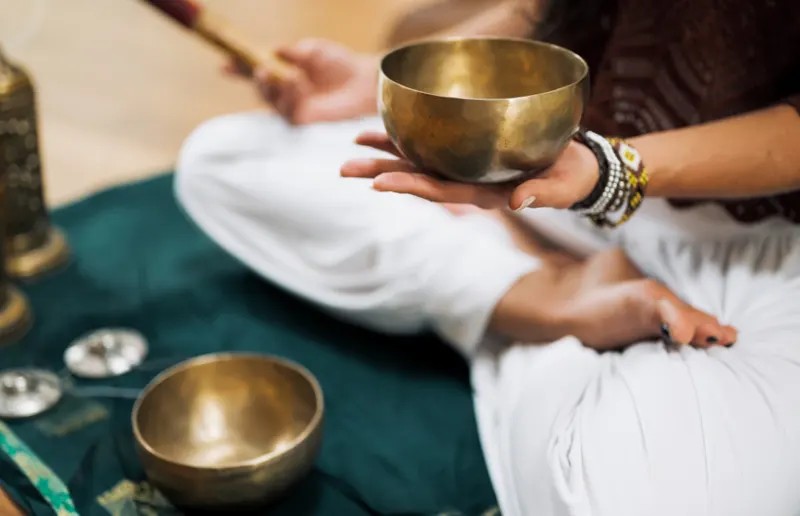 Use a Tibetan Singing Bowl
Troubleshooting: Common Mistakes for Beginners
Beginners may make a few common mistakes when playing Tibetan singing bowls. Avoid hitting the bowl too hard, pressing the mallet too firmly against the rim, or moving it too quickly. Keep a relaxed grip and use steady, gentle movements to produce a clear, resonant sound. Practice patiently and adjust your technique based on the bowl’s size, shape, and tone.
How to Care and Maintain Your Tibetan Singing Bowl?
To care for your Tibetan singing bowl, handle it gently and keep it clean and dry. Wipe the bowl with a soft cloth after use to remove dust and moisture. Store your Tibetan bowl in a dry, safe place away from extreme heat and humidity. Avoid harsh cleaners or abrasive materials, as they may damage its surface and affect its sound.
Conclusion
Tibetan singing bowls are traditional instruments deeply connected to Tibetan culture, meditation, and spiritual practices. Their unique sounds are widely used for relaxation, mindfulness, sound baths, and daily wellness routines. By learning about their origins, uses, benefits, and basic playing techniques, you can better appreciate the cultural value of a Tibetan bowl. To fully appreciate this tradition, visit the places where Tibetan singing bowls remain part of local culture and spiritual life. We warmly invite you to join our Tibet culture tour, explore the streets and temples of Lhasa, and discover the traditions behind Tibetan singing bowls firsthand.
2 years exp.| 5.0
 | Reviews
Tell me about your travel plan or contact me via inquiry@tibettourism.com
Related Tibet Travel Guide and Advice



Most Popular Tibet Tour Packages
-
![Lhasa Everest Base Camp Kathmandu Overland Small Group Tour]() Small Group Tour
Small Group Tour7 Days Lhasa Everest Base Camp Kathmandu Overland Small Group Tour
Promo: Classic overland travel route from Lhasa to Kathmandu via Gyirong / Nyalam
Dates & Price
![rili]()
![xiala]()
-
![Lhasa Shigatse Mount Everest Small Group Tour]() Small Group Tour
Small Group Tour8 Days Lhasa Shigatse Mount Everest Small Group Tour
Promo: Once-in-a-lifetime chance to face the tallest mountain in the world
Dates & Price
![rili]()
![xiala]()
-
![Kathmandu to Lhasa Overland Small Group Tour with EBC]() Small Group Tour
Small Group Tour8 Days Kathmandu to Lhasa Overland Small Group Tour with EBC
Promo: Drive Across Himalaya Overland Tour with altitude rising slowly
Dates & Price
![rili]()
![xiala]()



.webp)


Please share your contact information, so we can send you the answer directly by email.

