
 inquiry@tibettourism.com


.webp)


Women Traveling in Tibet: Safety Tips & Travel Guide


.webp) Content
ContentIs Tibet safe for women? Yes! Tibet is generally very safe for women, including solo female travelers, with low rates of violent crime and street harassment. The Tibetan Plateau offers breathtaking landscapes and a rich cultural heritage, making it an unforgettable destination. With proper planning, women traveling in Tibet can enjoy a safe and rewarding journey. This guide covers Tibet travel safety for women, solo travel tips, health precautions, dress codes, and practical advice to help women travel with confidence.
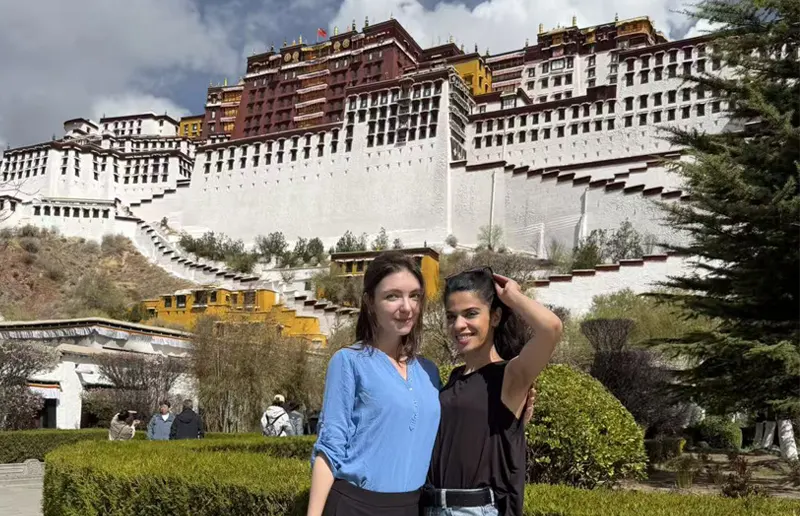 Women Traveling in Tibet
Essential Tibet Permits and Travel Rules for Women
Women traveling in Tibet must follow the same entry requirements and travel rules as other international visitors. A licensed Tibet travel agency (like Tibet Horizon) can arrange the required permits and help ensure your itinerary complies with local regulations.
Tibet Travel Permit (TTP) Requirements
The Tibet Travel Permit (TTP), issued by the Tibet Autonomous Region Tourism Bureau (TTB), is the primary document required for entry into Tibet. You must show this permit before boarding any plane or train bound for Lhasa.
Mandatory Tour Package: Independent travel is strictly prohibited for foreign passport holders. You must book a pre-arranged Tibet tour through an accredited Tibetan travel agency, which will apply for the TTP on your behalf.
Application Timeline: Submit your passport and Chinese Visa copies to your tour operator at least 15 to 20 days before departure. Processing typically takes 7–10 business days.
Chinese Visa Nuances: If you enter China with a Tourist (L) Visa, you only need to supply the visa copy. If you enter on a Work (Z) or Business (M) Visa, you must also provide an official employment letter or proof of company registration in China.
Restricted Areas Travel Permit Rules
Some areas of Tibet require additional permits and travel arrangements. For example, trips to Mount Kailash and Lake Mansarovar require an Aliens' Travel Permit and a Military Area Entry Permit. You generally cannot visit these restricted areas independently and should travel with an authorized guide and vehicle.
Which Tibet Tour Is Best for Solo Female Travelers: Group Tours vs. Private Tours?
For solo female travelers in Tibet, choosing between a Small Group Tour and a Private Tour depends on your budget, social preferences, and desired flexibility.
| Feature | Small Group Tour | Private Tour |
|---|---|---|
| Cost | More affordable | More expensive |
| Travel Companions | Travel with other tourists | Travel privately with your own group |
| Privacy | Less privacy | More privacy |
| Itinerary | Fixed or semi-flexible | Flexible and customizable |
| Social Experience | Easy to meet other travelers | More personal and quiet |
| Guide & Driver | Shared | Private |
| Best For | Solo female travelers looking to save money and meet like-minded travelers | Women who prefer privacy, comfort, and flexibility |
| Feature | Small Group Tour | Private Tour |
|---|---|---|
| Cost | More affordable | More expensive |
| Travel Companions | Travel with other tourists | Travel privately with your own group |
| Privacy | Less privacy | More privacy |
| Itinerary | Fixed or semi-flexible | Flexible and customizable |
| Social Experience | Easy to meet other travelers | More personal and quiet |
| Guide & Driver | Shared | Private |
| Best For | Solo female travelers looking to save money and meet like-minded travelers | Women who prefer privacy, comfort, and flexibility |
For many women traveling in Tibet, a small group tour offers a good balance of safety, affordability, and social interaction. A private Tibet tour is a better choice if you value privacy and want more control over your itinerary.
Cultural Etiquette & Dress Code for Women Traveling in Tibet
Understanding local customs and dressing appropriately can help ensure a safe and respectful Tibet tour. Tibetan people are generally warm and welcoming toward foreign female travelers. Respecting local traditions and religious etiquette helps you connect with local communities and honor Tibet’s rich cultural heritage.
1) Dress Code for Women in Tibet
Wear modest clothing that covers your shoulders and knees, especially when visiting monasteries, temples, and other religious sites. Avoid revealing or overly tight clothing. We recommend wearing multiple layers and choosing comfortable clothing that protects you from the sun and wind.
2) Temple and Monastery Etiquette
Keep your shoulders, chest, and knees covered when visiting Tibetan temples and monasteries. Avoid shorts, tank tops, crop tops, and leggings worn as outer pants. Opt for long pants, modest skirts, or long-sleeved tops instead. Remove hats, beanies, and sunglasses before entering a monastery chapel. Follow signs and your guide’s instructions, and do not touch religious objects or enter restricted areas. Ask for permission before photographing monks, local people, or religious ceremonies.
3) Respect Local Tibetan Customs
Walk clockwise around many religious sites and prayer wheels unless local signs indicate otherwise. Avoid stepping over prayer flags, offering objects with your feet, or disturbing people during religious practices. Observing everyday Tibetan social customs helps prevent unintended disrespect and enriches your cultural experience.
Tips: At Bon temples, you traditionally walk around the site counter-clockwise.
High-Altitude Health and Hygiene Tips for Female Travelers
Tibet’s high altitude, strong sunlight, dry air, and changing temperatures can affect women travelers. Good preparation can reduce common health and hygiene problems and make your Tibet travel more comfortable. Pay close attention to altitude sickness, personal hygiene, skincare, and sun protection.
1) Preventing and Managing Altitude Sickness (AMS)
Altitude sickness in Tibet can affect anyone, regardless of age or fitness level. Rest well during your first couple of days and avoid strenuous activities after arrival. Stay well-hydrated and opt for light, frequent meals. Avoid alcohol during acclimatization. If you develop a severe headache, repeated vomiting, difficulty breathing, confusion, or worsening symptoms, tell your guide immediately and seek medical help. Descending to a lower altitude may be necessary in serious cases.
2) Female Hygiene and Period Care on the Plateau
Remote travel and basic squat toilets in rural Tibet require advanced preparation for feminine hygiene and menstrual care.
Bring Adequate Supplies: Tampons and specialized organic pads are extremely difficult to find outside of central Lhasa. Pack enough menstrual products for your entire trip.
Sanitation Essentials: Public toilets in remote areas lack running water and soap. Always carry hand sanitizer, biodegradable wet wipes, and sealable plastic bags for discreet waste disposal.
Cycle Fluctuations: High altitude and physiological stress can temporarily disrupt your menstrual cycle, causing early, delayed, or heavier periods. During your period, stay hydrated and rest when needed. If you experience unusual or severe symptoms, seek medical advice.
3) Skincare, Sun Protection, and Extreme Weather Gear
Tibet’s high altitude brings strong UV exposure, dry air, and cold winds. Use SPF 50+ sunscreen and reapply it regularly. Wear sunglasses and a wide-brimmed hat, and apply lip balm with SPF. Apply a gentle moisturizer to protect dry skin. Pack warm layers, a windproof jacket, and gloves for sudden temperature changes, especially when traveling to higher-altitude areas.
Practical Tibet Packing List for Women
A practical Tibet packing list for women should include:
| Category | Essential Items | Women-Specific Essentials |
|---|---|---|
| Clothing | Thermal layers, fleece jacket, windproof jacket, warm trousers, comfortable walking shoes | Sports bra, comfortable underwear, extra underwear |
| Sun Protection | SPF 50+ sunscreen, sunglasses, sun hat, lip balm with SPF | Tinted sunscreen or lightweight face sunscreen |
| Personal Hygiene | Toothbrush, toothpaste, tissues, wet wipes, hand sanitizer | Sanitary pads, tampons or menstrual cup, intimate wipes, disposal bags |
| Health & Medicine | Basic medicines, personal prescriptions, electrolyte packets | Period pain relief medicine and any personal menstrual care products |
| High-Altitude Gear | Water bottle, oxygen canister if recommended, warm hat, gloves | Moisturizer and lip balm for dry skin |
| Travel Essentials | Passport, Tibet Travel Permit, phone, power bank, cash, travel insurance | Small crossbody bag or money belt for keeping personal items secure |
| For Remote Areas | Snacks, extra tissues, wet wipes, toilet paper, reusable water bottle | Extra menstrual products and personal hygiene supplies |
| Category | Essential Items | Women-Specific Essentials |
|---|---|---|
| Clothing | Thermal layers, fleece jacket, windproof jacket, warm trousers, comfortable walking shoes | Sports bra, comfortable underwear, extra underwear |
| Sun Protection | SPF 50+ sunscreen, sunglasses, sun hat, lip balm with SPF | Tinted sunscreen or lightweight face sunscreen |
| Personal Hygiene | Toothbrush, toothpaste, tissues, wet wipes, hand sanitizer | Sanitary pads, tampons or menstrual cup, intimate wipes, disposal bags |
| Health & Medicine | Basic medicines, personal prescriptions, electrolyte packets | Period pain relief medicine and any personal menstrual care products |
| High-Altitude Gear | Water bottle, oxygen canister if recommended, warm hat, gloves | Moisturizer and lip balm for dry skin |
| Travel Essentials | Passport, Tibet Travel Permit, phone, power bank, cash, travel insurance | Small crossbody bag or money belt for keeping personal items secure |
| For Remote Areas | Snacks, extra tissues, wet wipes, toilet paper, reusable water bottle | Extra menstrual products and personal hygiene supplies |
Note: Consult your doctor before taking high-altitude medication. If you plan to visit remote areas such as Mount Everest or Mount Kailash, bring extra food, toiletries, and essential supplies.
FAQs about Women Traveling in Tibet
1) What should I know about bathing in Tibet?
Bathing habits in Tibet may differ from those in warmer regions. In some remote areas, people may use sponge
baths when water and hot showers are less accessible. A hot shower can dilate your blood vessels. This can make
you more likely to get chilled and may trigger or worsen altitude sickness before your body adjusts to the high
altitude. After arriving in Tibet, it is best to avoid a hot shower during the first day or two while your body
adjusts to the high altitude. Stay warm after bathing and avoid sudden exposure to cold air.
2) What are toilets like in Tibet?
Toilets in Tibet can be very different from those many female travelers use at home. Conditions vary by location,
so it is best to prepare in advance.
Western-Style Toilets in Cities: Toilets in Lhasa and Shigatse are generally more comfortable. Most four- and five-star hotels, as well as good restaurants and cafés, have clean and modern Western-style toilets. You can expect better facilities when staying in these cities.
Squat Toilets Along Tibet's Roads: Outside the cities, you will often find traditional squat toilets at roadside stops. Facilities can be basic due to the remote locations and high altitude. Some may have limited privacy, water, or toilet paper. Carry tissues, wet wipes, and hand sanitizer for greater comfort and hygiene.
Dry Toilets During the Mount Kailash Yatra: During the three-day Mount Kailash Kora, toilets are usually basic dry toilets built over pits. Water is limited, and some facilities may have strong odors.
On very remote sections, toilets may not be available. Be prepared to use a private outdoor spot if necessary, and always follow local environmental guidelines.
3) Is it safe to carry cash while traveling in Tibet?
Yes, it is generally safe to carry cash while traveling in Tibet. However, scams and petty theft can still
happen. Keep your cash in a secure money belt or waist bag, and avoid showing large amounts of money in public.
Carry only what you need for the day and keep the rest in a safe place.
4) Do I need to share a car with unfamiliar men?
No. Women traveling in Tibet generally do not need to share a car alone with unfamiliar men. On group tours or
shared transfers, you will usually travel with other group members and a local guide or driver. If you have
concerns about privacy or personal safety, tell your Tibet travel agency in advance. They can arrange suitable
seating or transportation.
5) When staying in guesthouses in remote areas, are men and women roomed together?
Generally, no. Women traveling in Tibet are usually accommodated in separate rooms from unrelated male travelers.
In remote guesthouses, room arrangements may be more basic, and twin or shared rooms are common. If you prefer a
private room or have specific accommodation needs, inform your Tibet travel agency when booking.
6) How can I take stunning photos in Tibet?
For women traveling in Tibet, choosing the right colors can make your travel photos more striking. The four best
colors for Tibet travel photos are red, blue, yellow, and green. Red clothing stands out against monasteries and
rocky landscapes, while blue matches Tibet’s clear skies and sacred lakes. Yellow creates a warm contrast with
golden temples and prayer flags, and green works beautifully against grasslands and valleys. Choose simple,
comfortable outfits in these colors to create memorable Tibet travel photos.
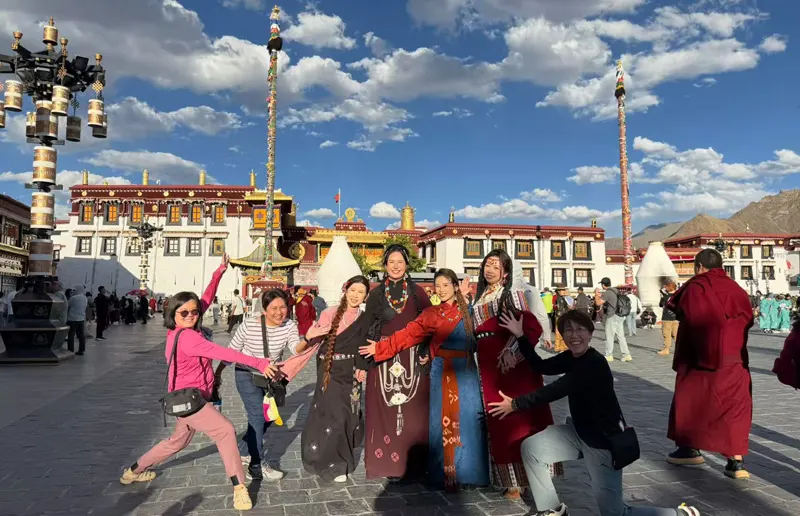 Women Traveling in Tibet
Conclusion
Tibet is a rewarding destination for women who plan and respect local customs. Follow essential safety tips, prepare for high altitude, pack suitable clothing and hygiene supplies, and follow local travel rules. With the right preparation, women traveling in Tibet can navigate the region safely, comfortably, and with total confidence.
2 years exp.| 5.0
 | Reviews
Tell me about your travel plan or contact me via inquiry@tibettourism.com
Related Tibet Travel Guide and Advice
Most Popular Tibet Tour Packages
-
![Lhasa Everest Base Camp Kathmandu Overland Small Group Tour]() Small Group Tour
Small Group Tour7 Days Lhasa Everest Base Camp Kathmandu Overland Small Group Tour
Promo: Classic overland travel route from Lhasa to Kathmandu via Gyirong / Nyalam
Dates & Price
![rili]()
![xiala]()
-
![Lhasa Shigatse Mount Everest Small Group Tour]() Small Group Tour
Small Group Tour8 Days Lhasa Shigatse Mount Everest Small Group Tour
Promo: Once-in-a-lifetime chance to face the tallest mountain in the world
Dates & Price
![rili]()
![xiala]()
-
![Kathmandu to Lhasa Overland Small Group Tour with EBC]() Small Group Tour
Small Group Tour8 Days Kathmandu to Lhasa Overland Small Group Tour with EBC
Promo: Drive Across Himalaya Overland Tour with altitude rising slowly
Dates & Price
![rili]()
![xiala]()


.webp)


Please share your contact information, so we can send you the answer directly by email.

