
 inquiry@tibettourism.com


.webp)


Gyirong Weather in July and August: Temperature, Rainfall & Travel Guide


.webp) Content
ContentNestled in a lush subtropical valley along the Himalayan border, Gyirong County experiences its warmest and most humid weather in July and August. Average temperatures generally range from 11°C to 14°C during this period. The Indian monsoon reaches its peak in summer, bringing significant rainfall to Gyirong. Rain often falls in the afternoon or evening, creating lush green landscapes and misty mountain scenery. Gyirong is known as the “Back Garden of the Himalayas” and is a popular stop on overland trips between Lhasa and Kathmandu. This guide covers Gyirong temperature, rainfall, weather conditions, and practical travel tips to help you plan your Tibet Nepal tour.
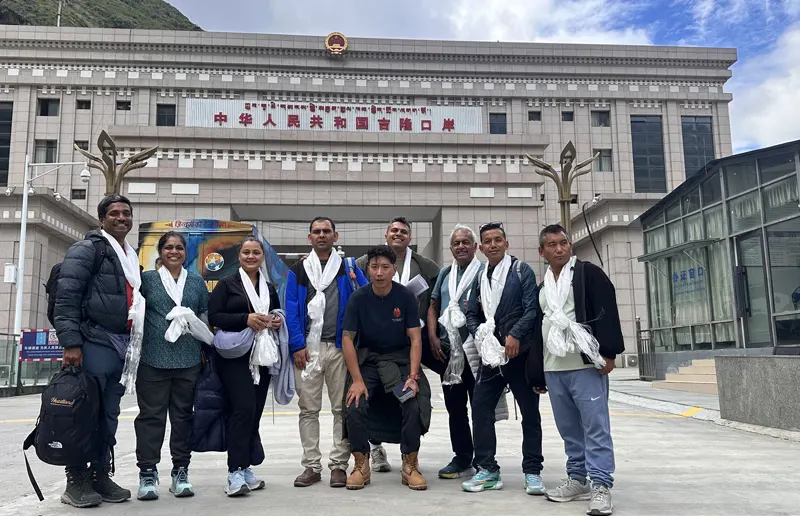 Tibet Nepal Tour
Gyirong Climate in Summer at a Glance
Gyirong has a mild subtropical climate because of its relatively low elevation and location near the Nepal border. Summer marks the height of the South Asian monsoon season in Gyirong. The season brings warmer temperatures, high humidity, and frequent rainfall.
Temperature: Generally around 11°C–14°C, with warmer conditions during the day.
Rainfall: July and August receive frequent monsoon rain.
Humidity: High humidity is common, especially after rainfall.
Weather: Expect cloudy skies, mist, rain, and occasional sunshine.
Landscape: Summer rain creates lush forests, green valleys, and misty mountains.
Travel: Roads can be wet or slippery after heavy rain, so allow extra travel time.
If you plan to travel from Kathmandu to Gyirong or continue to Everest Base Camp, check the local weather and road conditions before departure.
July vs. August: Weather Comparison & Key Differences
Both months have similar weather. However, subtle differences between July and August can help you plan a smoother journey through the Gyirong Border.
| Weather Factor | July | August |
|---|---|---|
| Temperature | Around 12°C–14°C | Around 11°C–14°C |
| Rainfall | Around 100–170 mm | Around 150–250 mm |
| Rainy Days | 29 | 28 |
| Humidity | High | Very high |
| Travel Conditions | Wet roads possible | Higher chance of rain-related delays |
| Weather Factor | July | August |
|---|---|---|
| Temperature | Around 12°C–14°C | Around 11°C–14°C |
| Rainfall | Around 100–170 mm | Around 150–250 mm |
| Rainy Days | 29 | 28 |
| Humidity | High | Very high |
| Travel Conditions | Wet roads possible | Higher chance of rain-related delays |
Notice: Gyirong Valley is prone to landslides, flash floods, and debris flows in July and August. Before traveling, check the latest weather warnings and road conditions in Shigatse City and Gyirong County.
Gyirong Temperature in July and August: What to Expect
Gyirong temperatures in July and August are generally mild during the day and cooler at night. Summer is the warmest season in Gyirong, but temperatures can change quickly due to rain, cloud cover, and altitude. Knowing the typical temperatures in Gyirong can help you choose the right clothing and prepare for your trip to Tibet.
Gyirong Daytime vs. Nighttime Temperature Variations during the Monsoon Season
Summer in Gyirong offers a mild, pleasant climate compared to the harsh cold of higher Tibetan plateau regions. In July and August, daytime temperatures in Gyirong are usually comfortable. Sunny periods can feel warmer, while rain and clouds can make the air feel cooler. At night, temperatures drop noticeably. The valley can feel chilly, especially after rainfall. Bring warm layers even if daytime weather feels pleasant.
Gyirong Average Daytime High: 13°C to 20°C
Gyirong Average Nighttime Low: 8°C to 12°C
Gyirong Diurnal Temperature Range: Moderate gap of 7°C to 10°C between day and night
How Altitude Impacts Gyirong Valley Temperatures
Altitude plays a significant role in temperature variations across Gyirong County. As you descend into Gyirong Valley from the higher mountain passes of the Tibetan Plateau, temperatures rise markedly due to changing elevation:
Gyirong Border (~1,850m): Located along the Nepal-China border, this is the lowest and warmest area. Summer
temperatures here often exceed 22°C, featuring dense subtropical vegetation and humid air.
Gyirong Town (~2,700m–2,800m): The primary hub for hotel stays and local tours. Daily high temperatures average
17°C, offering mild, comfortable summer conditions.
Zongga Town / County Seat (~4,200m): Situated on the higher plateau north of the valley. Temperatures here are
considerably cooler, often hovering around 10°C to 13°C during summer days.
Travelers heading from Lhasa to the Gyirong Border will notice a rapid rise in temperature and humidity. The elevation drops by nearly 2,000 meters within a few hours of driving.
Gyirong Rainfall and Monsoon Season Insights
Gyirong rainfall in July and August is strongly influenced by the Indian monsoon. These months are among the wettest periods of the year. Rain can be frequent, but it does not always last all day. Short showers often give way to clearer periods. The summer rain keeps Gyirong Valley lush and green.
Summer Rainfall Patterns: The "Night Rain" Phenomenon
Gyirong rainfall often follows a daily pattern during the summer monsoon. Rain may increase in the late afternoon or evening and continue into the night. Mornings are often relatively dry and can offer better visibility. This pattern is sometimes called the “night rain” phenomenon. However, rainfall can vary from day to day. Heavy showers may occur at any time, so you should always carry rain protection.
For travelers crossing the Gyirong Border, heavy rain can affect road conditions. Check local weather alerts and road updates before setting out.
Notice: If the Gyirong Border is temporarily closed, the Zhangmu Border in Nyalam serves as an alternative overland route.
Humidity, Fog, and Sunshine Hours in Gyirong in July & August
Gyirong's humidity in July and August is generally high because of the monsoon. The combination of rain and moisture can create fog and low clouds in the valleys and mountains. Sunshine is still possible between rain showers. Early mornings may offer clearer views before clouds and fog develop later in the day. Weather can change quickly, so flexible travel plans are recommended.
Road Conditions & Cross-Border Travel at Gyirong Border in July and August
Gyirong road conditions in July and August can be affected by heavy monsoon rainfall. Most main roads remain open, but rain can cause slippery surfaces, mud, landslides, and temporary delays.
1) Overland Driving between Lhasa, Gyirong, and Kathmandu
The Lhasa–Gyirong–Kathmandu route is a popular overland journey between Tibet and Nepal. The route passes through dramatic mountain scenery, high-altitude plateaus, and deep valleys. You may experience major changes in weather and road conditions along the way. Keep your schedule flexible and allow extra time for possible delays.
Recommended Itineraries:
>>7 Days Lhasa Everest Gyirong Overland to Kathmandu Small Group Tour
>>8 Days Kathmandu to Lhasa Overland Small Group Tour with EBC
2) Monsoon Landslide Risks & Safety Travel Tips
Heavy Gyirong rainfall in July and August can increase the risk of landslides, debris flows, and flash floods. Mountain roads may become slippery or temporarily blocked after heavy rain.
For a safer journey, you should:
Check the latest Gyirong weather forecast before departure.
Check road conditions and traffic restrictions along your route.
Avoid traveling during severe weather warnings.
Allow extra time for possible road delays.
Follow instructions from local authorities and your guide.
Do not approach landslides, flooded roads, or unstable slopes.
3) Tibet Travel Permit Requirements for Traveling from Gyirong to Lhasa
You must have a valid Tibet Travel Permit (TTP) when entering Tibet from Gyirong. Before your Tibet trip, the permit is arranged by a licensed Tibet travel agency, such as Tibet Horizon. Our tour guide will meet you at the Gyirong or Zhangmu Border, holding your Tibet Travel Permit. Thus, you can smoothly begin your Tibet tour.
Essential Packing List for Gyirong in Summer
Pack for Gyirong weather in July and August with lightweight, quick-drying clothes and warm layers for changing temperatures. Bring a waterproof jacket, comfortable walking shoes, sun protection, and insect repellent for humid summer conditions. A compact umbrella or rain cover is also useful during frequent showers. If you plan to travel from Gyirong to Everest Base Camp, bring extra warm clothing for the colder, higher-altitude areas.
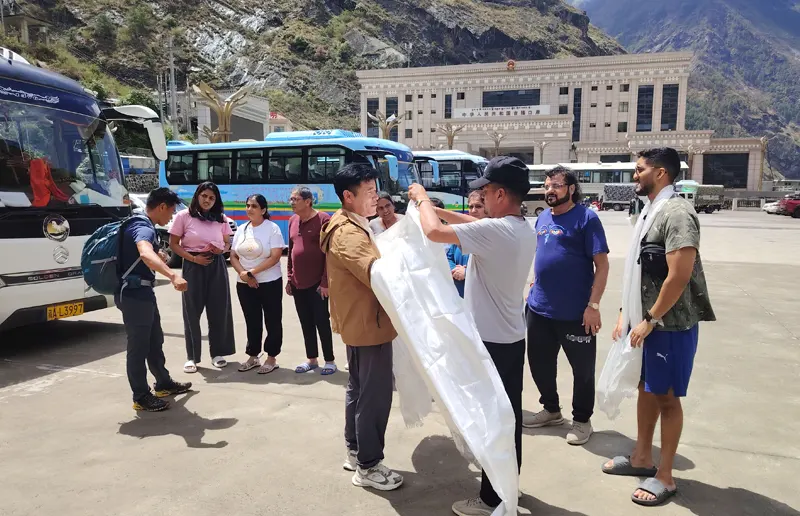 Gyirong Weather in July and August
FAQs about Gyirong Weather in July and August
1) How much does it rain in Gyirong in July and August?
Gyirong receives frequent rainfall in July and August due to the summer monsoon. July typically gets around
100–170 mm of rain, while August receives about 150–250 mm. Rain often comes in short, heavy showers, especially
in the afternoon and evening.
2) Is July or August a good time to visit Gyirong?
It is not exactly the best time of year to visit. July and August mark the local rainy season. The scenery is
very green and oxygen-rich, but there is also a greater risk of rainfall and mudslides.
3) Can I cross the Gyirong Port border during heavy summer rain?
Crossing the Gyirong border during heavy rain depends on weather, road conditions, and official border controls.
Heavy monsoon rain can cause landslides, debris flows, and road closures in the area. Check the latest weather
warnings and border updates before departure, and follow instructions from local authorities and your travel
agency.
4) What's the best time to visit Gyirong?
The best time to visit Gyirong Valley is from April to June and September to November. You can enjoy clear skies,
comfortable temperatures, and excellent mountain views without monsoon rainfall. Autumn (September–October) is
especially popular for overland travel between Tibet and Nepal. It can offer stable weather, dry roads, and
vibrant golden fall foliage throughout the Gyirong valley.
Conclusion
Gyirong weather in July and August is warm, humid, and rainy, with mild temperatures and lush green scenery. While summer rainfall can bring fog, landslides, and road delays, proper preparation can make your journey more comfortable. Check the latest Gyirong weather forecast and road conditions, pack waterproof and warm layers, and allow extra travel time. With the right planning, you can enjoy the beautiful Gyirong Valley and continue your Tibet overland journey.
2 years exp.| 5.0
 | Reviews
Tell me about your travel plan or contact me via inquiry@tibettourism.com
Related Tibet Travel Guide and Advice

Most Popular Tibet Tour Packages
-
![Lhasa Everest Base Camp Kathmandu Overland Small Group Tour]() Small Group Tour
Small Group Tour7 Days Lhasa Everest Base Camp Kathmandu Overland Small Group Tour
Promo: Classic overland travel route from Lhasa to Kathmandu via Gyirong / Nyalam
Dates & Price
![rili]()
![xiala]()
-
![Lhasa Shigatse Mount Everest Small Group Tour]() Small Group Tour
Small Group Tour8 Days Lhasa Shigatse Mount Everest Small Group Tour
Promo: Once-in-a-lifetime chance to face the tallest mountain in the world
Dates & Price
![rili]()
![xiala]()
-
![Kathmandu to Lhasa Overland Small Group Tour with EBC]() Small Group Tour
Small Group Tour8 Days Kathmandu to Lhasa Overland Small Group Tour with EBC
Promo: Drive Across Himalaya Overland Tour with altitude rising slowly
Dates & Price
![rili]()
![xiala]()


.webp)


Please share your contact information, so we can send you the answer directly by email.

