inquiry@tibettourism.com


.webp)


Top 9 Tibet Tour Packages
Embark on a lifetime journey with our collection of the top 13 Tibet tour packages, each crafted to unveil the majestic beauty and profound cultural heritage of this Himalayan gem. Our itineraries are designed to cater to a range of interests and time frames, from the bustling spiritual heart of Lhasa to the tranquil shores of Yamdrok and Namtso Lakes to the awe-inspiring view of Everest Base Camp. Whether you opt for a 4-day Lhasa city tour, a 6-day tour covering the surroundings like Shigatse and Namtso, an 8-10-day exploration including the EBC, or a 7-8-day adventure extending to Gyirong and Kathmandu, each package promises an intimate encounter with Tibet's sacred sites, natural wonders, and the warmth of its people.
Our dedicated personnel provide one-stop services including hotel and ticket booking and travel permit applications. Expert local guides accompany you throughout your journey, providing insights into the region's history, traditions, and spiritual practices. Whether you choose to join a group of like-minded travelers from around the world or customize an itinerary to your preferences, our meticulous planning and attention to detail ensure your time in Tibet is both enriching and hassle-free, allowing you to fully appreciate the profound experience of visiting the Roof of the World. Check out our 13 most popular Tibet tours and join us in exploring this wonderful land!
- Top 8 Tibet Small Group Tours
- Top 1 Tibet Private Tours
Tibet is renowned worldwide for its magnificent snow-capped mountains, pristine lakes, and rich Tibetan Buddhist heritage, a dream destination for countless travelers.
We have curated 8 small group tour packages that cover Tibet’s most iconic destinations - including Lhasa, Everest Base Camp and Mount Kailash - while offering in-depth experiences. Options range from a cross-border journey that takes you from Kathmandu, across the majestic Himalayas, all the way to Lhasa, to various ways of exploring the sacred Mount Kailash.
Traveling in a small group not only ensures a more flexible and comfortable journey but also allows you to more fully appreciate Tibet’s breathtaking natural landscapes and unique cultural charm.
-
![bugong]()
![bugong]() Small Group TourNo.1 Lhasa City TripBest Lhasa Tour ItinerayLhasa City Walk
Small Group TourNo.1 Lhasa City TripBest Lhasa Tour ItinerayLhasa City Walk4 Days Holy Lhasa City Small Group Tour
Promo: Explore the Architecture & Landscape of Lhasa
Route: Drepung Monastery - Sera Monastery - Potala Palace - Jokhang Temple - Barkhor Street
Dates & Price:

![dropdown]()
-
![bugong]()
![bugong]() Small Group TourBest Lhasa Kathmandu Cross-border RouteAll-inclusive Tibet Trip
Small Group TourBest Lhasa Kathmandu Cross-border RouteAll-inclusive Tibet Trip7 Days Lhasa Everest Base Camp Kathmandu Overland Small Group Tour
Promo: Classic overland travel route from Lhasa to Kathmandu via Gyirong / Nyalam
Route: Lhasa - Yamdrok Lake - Shigatse - Everest Base Camp - Gyirong/Nyalam - Gyirong Border/Zhangmu Border
Dates & Price:

![dropdown]()
-
![bugong]()
![bugong]() Small Group TourTop Lhasa Everest TourEverest Base Camp Adventure
Small Group TourTop Lhasa Everest TourEverest Base Camp Adventure8 Days Lhasa Shigatse Mount Everest Small Group Tour
Promo: Once-in-a-lifetime chance to face the tallest mountain in the world
Route: Lhasa - Yamdrok Lake - Shigatse - Everest Base Camp - Tashilunpo Monastery - Lhasa
Dates & Price:

![dropdown]()
-
![bugong]()
![bugong]() Small Group TourTop Nepal Tibet TourBest Tibet Overland TripNo.1 EBC Adventure
Small Group TourTop Nepal Tibet TourBest Tibet Overland TripNo.1 EBC Adventure8 Days Kathmandu to Lhasa Overland Small Group Tour with EBC
Promo: Drive Across Himalaya Overland Tour with altitude rising slowly
Route: Gyirong / Zhangmu - Everest Base Camp - Shigatse - Yamdrok Lake - Lhasa
Dates & Price:

![dropdown]()
-
![bugong]()
![bugong]() Small Group TourBest Everest Kailash TourTop Tibet ExplorationHoly Mt. Kailash Exploration
Small Group TourBest Everest Kailash TourTop Tibet ExplorationHoly Mt. Kailash Exploration15 Days Tibet Mount Kailash and Lake Mansarovar Small Group Tour
Promo: Western Tibet tour around Mount Kailash
Route: Lhasa - Yamdrok Lake - Shigatse - Everest Base Camp - Mansarovar Lake - Mount Kailash - Lhatse - Shigatse - Lhasa
Dates & Price:

![dropdown]()
-
![bugong]()
![bugong]() Small Group TourMount Kailash YatraMeditation by Lake MansarovarKailash Inner Travel Gateway
Small Group TourMount Kailash YatraMeditation by Lake MansarovarKailash Inner Travel Gateway16 Days Lhasa Everest Kailash Mansarovar Lhasa Tour with Inner Travel Gateway
Promo: Complete 3-Day Kailash Kora and 1-Day Inner Kora Gateway Excursion
Route: Lhasa - Yamdrok Lake - Gyantse - Shigatse - EBC - Saga - Darchen - Mount Kailash - Mansarovar Lake - Darchen - Selung Monastery - Darchen - Saga - Sakya Monastery - Shigatse - Lhasa
Dates & Price:

![dropdown]()
.webp)



.webp)
.webp)


Mr. Hire
commented on
Holy Lhasa City Small Group Touron Apr. 15th, 2025



Mr. Girard
commented on
Holy Lhasa City Small Group Touron Jan. 18th, 2025

Mr. Collins
commented on
Holy Lhasa City Small Group Touron Oct. 16th, 2024

Mr. Grandi
commented on
Holy Lhasa City Small Group Touron Sept. 18th, 2024
Miss Jones
commented on
Holy Lhasa City Small Group Touron Aug. 25th, 2024
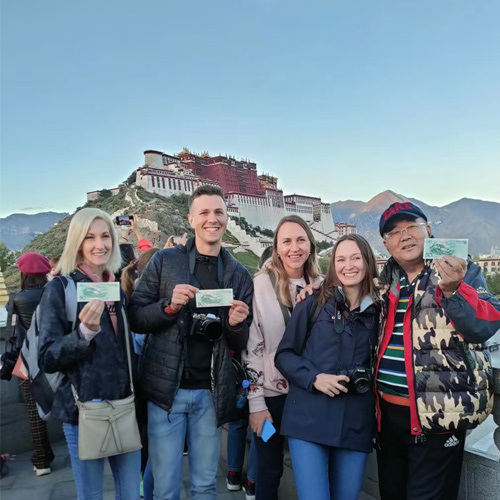
Mr. Sharma
commented on
Holy Lhasa City Small Group Touron Jul. 10th, 2024
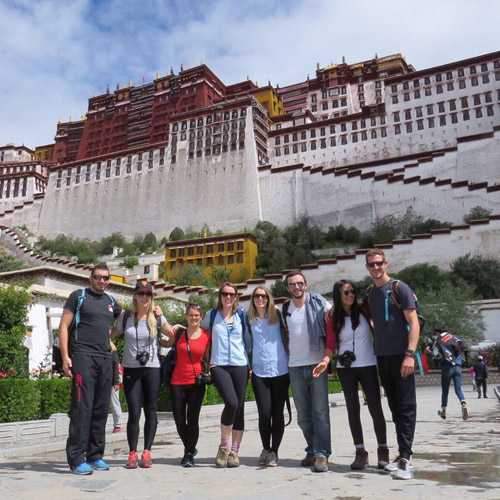
Mrs. Anderson
commented on
Holy Lhasa City Small Group Touron Jun. 8th, 2024
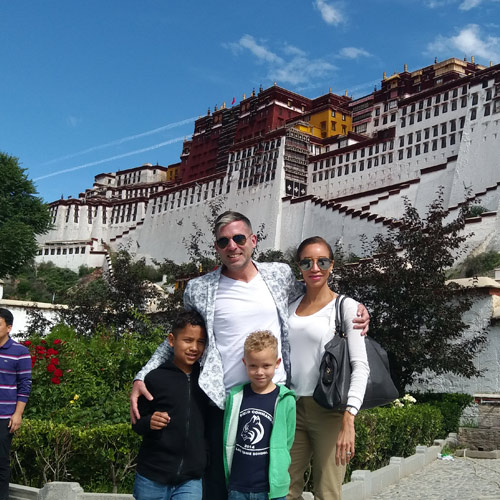
Mr. Wilson
commented on
Holy Lhasa City Small Group Touron May. 11th, 2024

Mr. Trono
commented on
Lhasa Everest Base Camp Kathmandu Overland Small Group Touron Apr. 28th, 2025

Mr. Bernard
commented on
Lhasa Everest Base Camp Kathmandu Overland Small Group Touron Apr. 17th, 2025

Mr. Hoa
commented on
Lhasa Everest Base Camp Kathmandu Overland Small Group Touron Oct. 5th, 2024
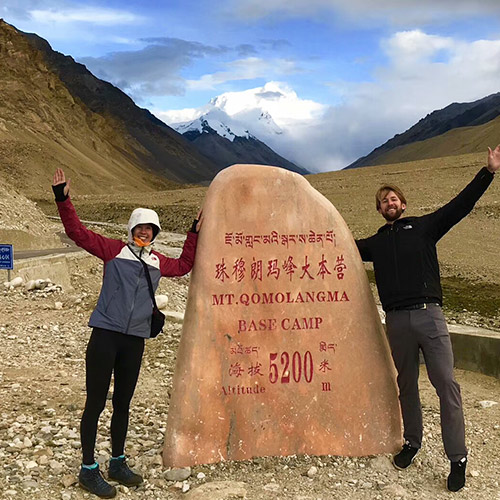
Mr. Smith
commented on
Lhasa Everest Base Camp Kathmandu Overland Small Group Touron Apr. 22th, 2023
Mrs. Williams
commented on
Lhasa Everest Base Camp Kathmandu Overland Small Group Touron Jul. 12th, 2022
Mrs. Zhou
commented on
Lhasa Everest Base Camp Kathmandu Overland Small Group Touron Apr. 2nd, 2020
Mr. Ferrari
commented on
Lhasa Everest Base Camp Kathmandu Overland Small Group Touron Mar. 10th, 2019

Mr. Panich
commented on
Lhasa Shigatse Mount Everest Small Group Touron May. 27th, 2025
Mr. Moreau
commented on
Lhasa Shigatse Mount Everest Small Group Touron May. 20th, 2025

Ms. Taylor
commented on
Lhasa Shigatse Mount Everest Small Group Touron Oct 22nd, 2024
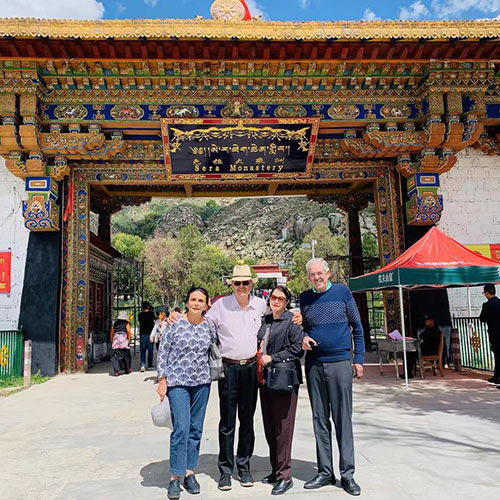
Mr. Varga
commented on
Lhasa Shigatse Mount Everest Small Group Touron Jun. 9th, 2024
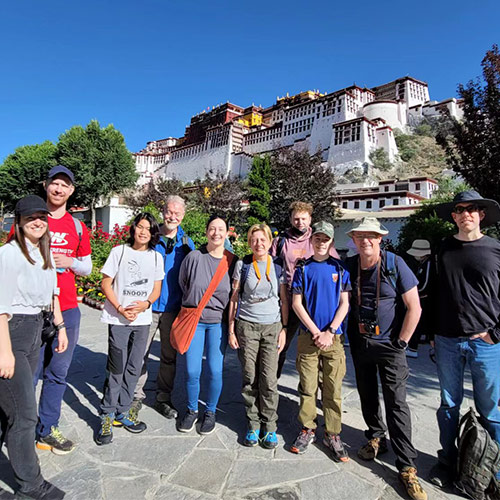
Mrs. Thomas
commented on
Lhasa Shigatse Mount Everest Small Group Touron Jul. 11st, 2023
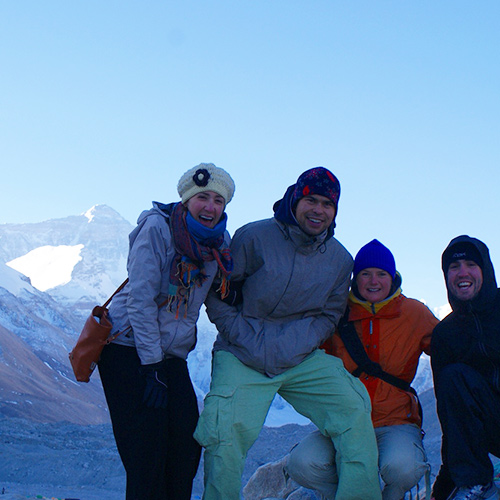
Mr. Schneider
commented on
Lhasa Shigatse Mount Everest Small Group Touron Mar.15th, 2022
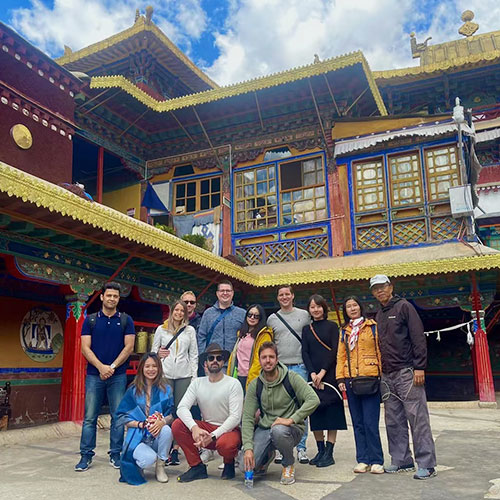
Mr. White
commented on
Lhasa Shigatse Mount Everest Small Group Touron Sept. 12nd, 2021
Mrs. Wong
commented on
Lhasa Shigatse Mount Everest Small Group Touron Jul. 9th, 2020
Mr. Shara
commented on
Kathmandu to Lhasa Overland Small Group Tour with EBCon May. 14th, 2025

Mrs. Harris
commented on
Kathmandu to Lhasa Overland Small Group Tour with EBCon Apr. 25th, 2025

Miss Helen
commented on
Kathmandu to Lhasa Overland Small Group Tour with EBCon Sep. 17th, 2024
Mr. Allen
commented on
Kathmandu to Lhasa Overland Small Group Tour with EBCon Aug.18th, 2024
Mr. Dubois
commented on
Kathmandu to Lhasa Overland Small Group Tour with EBCon Mar. 6th, 2024
Mrs. Gruber
commented on
Kathmandu to Lhasa Overland Small Group Tour with EBCon Jun. 10th, 2023

Mr. Krause
commented on
Kathmandu to Lhasa Overland Small Group Tour with EBCon Oct. 13th, 2022

Mr. Robinson
commented on
Kathmandu to Lhasa Overland Small Group Tour with EBCon Oct. 20th, 2021

Mr. Chiel
commented on
10 Days Kathmandu Gyirong Kailash Mansarovar Loop Touron Jun. 19th, 2025

Mr. Noir
commented on
10 Days Kathmandu Gyirong Kailash Mansarovar Loop Touron May. 25th, 2025
Mr. Binod
commented on
10 Days Kathmandu Gyirong Kailash Mansarovar Loop Touron Oct. 21st, 2024
Ms. Mitchell
commented on
10 Days Kathmandu Gyirong Kailash Mansarovar Loop Touron Oct. 20th, 2024

Mr. Moore
commented on
10 Days Kathmandu Gyirong Kailash Mansarovar Loop Touron Sept. 24th, 2024

Mr. Matthew Ward
commented on
10 Days Kathmandu Gyirong Kailash Mansarovar Loop Touron Aug. 15th, 2024
Mrs. Rossi
commented on
10 Days Kathmandu Gyirong Kailash Mansarovar Loop Touron Jun. 13th, 2023
Mr. Sharma
commented on
10 Days Kathmandu Gyirong Kailash Mansarovar Loop Touron Oct. 14th, 2022
Mr. Pierre
commented on
Lhasa to Everest Kailash and Mansarovar Small Group Touron May. 25th, 2025
Mr. Thompson
commented on
Lhasa to Everest Kailash and Mansarovar Small Group Touron Apr. 22nd, 2025
Mr. Smith
commented on
Lhasa to Everest Kailash and Mansarovar Small Group Touron Oct. 1st, 2024
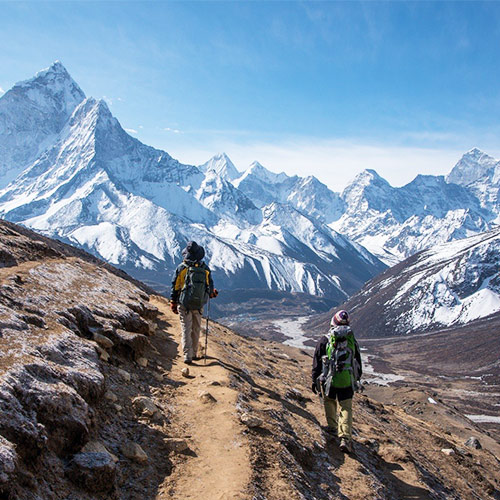
Mr. Jung
commented on
Lhasa to Everest Kailash and Mansarovar Small Group Touron Sept. 19th, 2023
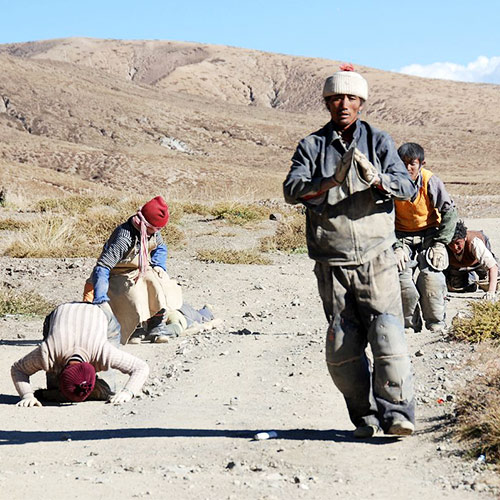
Mr. Yuan
commented on
Lhasa to Everest Kailash and Mansarovar Small Group Touron Aug. 11th, 2022

Mr. Morgan
commented on
Lhasa to Everest Kailash and Mansarovar Small Group Touron Jul. 8th, 2022

Ms. Vadgama
commented on
Lhasa to Everest Kailash and Mansarovar Small Group Touron May. 9th, 2021

Mr. Charu
commented on
Lhasa to Everest Kailash and Mansarovar Small Group Touron Apr. 9th, 2020
Chandra Kumark
commented on
16 Days Mount Kailash Charan Sparsh and Inner Travel Small Group Touron Jan. 2nd, 2025

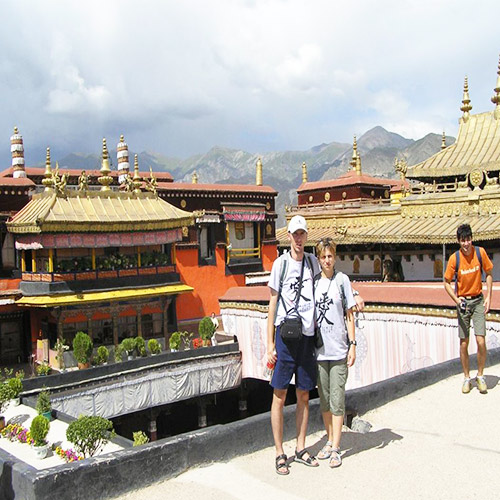
While Tibet boasts a wealth of alluring destinations and diverse route options, Lhasa remains the most popular choice for first-time visitors. Although concise, this 3 Days 2 Nights Lhasa City Impression Tour distills the very best of the Tibet travel experience; it allows ample time to acclimatize to the altitude while offering an in-depth exploration of iconic landmarks that epitomize Tibetan culture, such as the Potala Palace, Jokhang Temple, and Barkhor Street.
-
![bugong]()
![bugong]() Top Tibetan Culture TripPanoramic Lhasa City TourWorld Heritage Sites Visiting
Top Tibetan Culture TripPanoramic Lhasa City TourWorld Heritage Sites Visiting3 Days Lhasa City Impression Tour
Features:
Panoramic view of Lhasa
Step into Tibetan life in Lhasa's bustling streets
Visit world-class palaces and monasteriesGroup size: Min.1 pax
Tour price: free enquire >


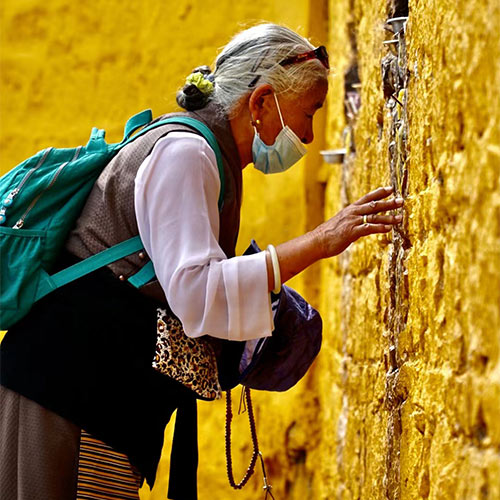
Mr. Jansen
commented on
3 Days Lhasa City Impression Touron May. 5th, 2024
Mrs. Ivanova
commented on
3 Days Lhasa City Impression Touron Mar. 4th, 2022
FAQs on Tibet Tour
The answer is yes, absolutely. Tibet has good public security, and its people are warm and honest, so traveling to Tibet is safe for tourists, especially when you're with a professional and responsible tour agency like Tibet Horizon. We prioritize the safety and well-being of our travelers by ensuring all necessary precautions are in place. This includes providing well-maintained vehicles, experienced drivers, and knowledgeable guides who are familiar with local conditions. Additionally, we adhere to all local regulations and health guidelines to ensure a secure travel experience.
2. How to get to Tibet?To reach Tibet, there are various options available.
Get to Tibet from Chinese Mainland
By Train: Several cities offer direct trains to Lhasa, including Beijing, Shanghai, Guangzhou, Chongqing, Chengdu, Xi'an, Lanzhou, and Xining. The Qinghai-Tibet Railway, in particular, is a popular choice, offering scenic views of the plateau.
By Flight: Direct flights to Lhasa are available from major cities like Chengdu, Chongqing, and Xining. Chengdu, for example, has the most frequent flights to Lhasa, with the shortest flight time being approximately 2 hours and 10 minutes.
By Road: Overland journeys can be made via the China National Highways G318 from Sichuan and G214 from Yunnan, or G219 from Xinjiang. These routes provide a more immersive experience of the diverse landscapes and cultures along the way.
Get to Tibet from Kathmandu, Nepal
By Flight: The only international flight to Lhasa is from Kathmandu, Nepal. The flight takes about 1 hour and 30 minutes, and it's a convenient option for travelers coming from South Asia.
By Road: Driving from Kathmandu to Tibet via Gyirong Port is a popular choice. You can easily reach the holy grounds of Kailash Mansarovar and then venture to EBC, Shigatse, and Lhasa.
3. How to book Tibet train/ flight tickets?Booking flights or train tickets to Tibet with foreign IDs and passports is now more accessible. For train travel, the Chinese Railway has introduced an online identity verification service for foreign passports, allowing passengers to complete the verification process through the 12306 website or app by filling the required information or submitting a photo of the passport information page. This service streamlines the ticket purchasing process for foreigners, as they no longer need to visit a railway station in person for identity verification. For air travel, foreigners can use their passports to book both domestic and international flights within China.
As a professional Tibet travel agency, we provide ticket booking services. We can guarantee you the Tibet train/ flight ticket and arrange a smooth and wonderful Tibet trip for you. Feel free to contact us for more details.
4. What is the best time to visit Tibet?The best time to visit Tibet is generally from April to June and from September to October. During these months, the weather is relatively stable, with clear skies and mild temperatures, making it ideal for enjoying the stunning views in Tibet. Also, you can experience the grand Saga Dawa Festival in May. In summer, the weather may be rainy, but tourists can witness the Shoton Festival. In winter, you can enjoy lower-cost transportation and accommodation and feel less crowded as there are fewer tourists. Also, Losar, the Tibetan New Year, often falls in February or March.
5. What permits are needed to travel to Tibet?To visit Tibet, foreign travelers typically need the following permits:
Tibet Travel Permit: This permit is issued by the Tibet Tourism Bureau (TTB) and is required for all foreign travelers visiting Tibet.
Aliens’ Travel Permit: Travelers traveling to partially restricted areas such as Ngari Prefecture need to obtain an Aliens’ Travel Permit via a Tibet Travel Agency (like Tibet Horizon).
Military Area Entry Permit: If you want to extend your trip to military-sensitive areas such as Mount Kailash, Lake Mansarovar, etc., or want to travel along the G318 Highway, you need to apply for a Military Area Entry Permit.
Our Tibet tour packages include a Tibet Travel Permit and all the necessary Tibet travel documents. If you book with us, we’ll help you apply for the permits needed to ensure a smooth and worry-free Tibet tour.
6. How to deal with possible altitude sickness?Traveling on the Tibet Plateau with an average altitude of over 4,000 meters, it’s common for some tourists to experience altitude sickness. The symptoms of altitude sickness can include headache, nausea, and dizziness.
To minimize the risk of altitude sickness, it is important to allow time to acclimate to high altitude and take precautions. You should drink plenty of water, eat light meals, and avoid alcohol or caffeine. It is also recommended to take a slow path in the first two days after entering Tibet, avoiding strenuous activities like running.
If you feel uncomfortable, tell your guide. We have prepared oxygen tanks in our vehicles. You can inhale oxygen and take medication when necessary. If symptoms of altitude sickness persist or worsen, we’ll help you to the hotel or hospital to seek medical attention immediately.
7. How many days do I need in Tibet?The duration of your Tibet tour can vary based on your interests and the regions you wish to visit. For a comprehensive experience, your Tibet tour may last for at least 8 days, allowing you to explore the cultural and natural highlights of Tibet, including Lhasa, Shigatse, Everest Base Camp, and Namtso Lake. For more adventurous trips to Ngari Prefecture, such as Mt. Kailash and Lake Mansarovar, the duration may be 10 days. If you have time constraints, shorter tours are also available. You can take our 4-day Lhasa city tour. But for a more in-depth experience, a longer tour is recommended.
8. How much does a Tibet tour cost?The cost of a Tibet tour depends on several factors, including the duration of the tour, the type of accommodation, the mode of transportation, and the specific services included. Our Tibet tour packages are designed to cater to a range of budgets, from budget-friendly to luxurious experiences. The cost also includes Tibet travel permits, accommodations, transportation, and guided tours. For the most accurate pricing, it's best to contact us with your specific travel plans, and we can provide a detailed quote based on your preferences and requirements.
9. What should I pack for a Tibet tour?Packing clothing in layers to adapt to Tibet's changing weather is suggested, including a warm jacket, fleece, and comfortable walking shoes. Don't forget sun protection such as sunglasses, sunscreen, a wide-brimmed hat, and lip balm, as UV radiation is much stronger at high altitude. It's also recommended to bring personal medications and items.
If you're planning a Tibet tour in winter, be sure to pack extra warm clothing, gloves, and a hat for sub-zero temperatures.
10. Is vegetarian food available in Tibet?Yes. Although traditional Tibetan cuisine features yak meat, vegetarian travelers can still enjoy a wide variety of meals throughout Tibet. In Lhasa and other major towns, many restaurants serve vegetable stir-fries, tofu dishes, noodles, fried rice, and momos. Western restaurants also offer vegetarian-friendly options. If you have specific dietary requirements, inform your travel agency or guide in advance, and they can help arrange suitable meals during your trip.