
 inquiry@tibettourism.com


.webp)


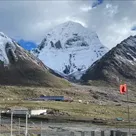
A 10-day Kathmandu to Kailash tour via Gyirong, Saga, and Lake Manasarovar, including the 3-day Kailash Kora, is an unforgettable Tibet journey.
- James Anderson from USA
joined with local tour guide
wrote on May.29, 2025
10-Day Kathmandu to Mount Kailash Overland Adventure: A Journey Through Faith and Himalayan Majesty
The 10-day trip from Kathmandu to Kailash passed by in the blink of an eye. When the wheels rolled over the folds of the Himalayas and the footsteps knocked on the ground at the foot of the sacred mountain, I realized that some scenery should be measured with the body and some beliefs should be felt while walking. These ten days are a geographical adventure across borders and also a spiritual journey to question the heart. From the fireworks world of Nepal to the sacred land of Tibet, every step is engraved with awe of nature, and every glance hides shock beyond language.
Day 1: Kathmandu to Gyirong
 The road from Kathmandu to Gyirong
The adventure kicked off in bustling Kathmandu, where the scent of cardamom tea and the clatter of prayer wheels filled the air. By mid-morning, we were on the road, zigzagging through Nepal's terraced hills. The 7-hour drive was a rollercoaster of emotions: one moment we were navigating potholed roads lined with rhododendron forests, and the next marveling at the first glimpses of snow-capped Himalayan peaks. As dusk fell, we crossed the border into Tibet's Gyirong Town, a lush, green haven (2,800m) starkly different from the arid plateau we would soon encounter. Our guide, Karma, chatted with us enthusiastically all the way and insisted that we should drink lots of water to prevent altitude sickness.
Day 2: Exploring Gyirong
 Spun prayer wheels with locals at Paba Temple
Gyirong was a revelation. Unlike the barren landscapes of western Tibet, this “valley of happiness” was cloaked in dense forests, where mist clung to pine trees and waterfalls whispered through mossy gorges. We spent the day hiking to Jipu Village, where traditional Tibetan homes nestled among terraced fields, and the air smelled of damp earth and wildflowers. At Paba Temple, a 1,300-year-old shrine perched on a cliff, we spun prayer wheels alongside local women in colorful robes. Sweaty but serene, we returned to town for momos and butter tea, savoring the last of Gyirong's tropical warmth.
Day 3: Gyirong to Saga--Into the High Plateau
 Pass by Mount Shishapangma
Leaving Gyirong's greenery behind, we climbed into the arid expanse of the Tibetan plateau. The road hugged cliffs, offering fleeting views of the Himalayas' western ridge. And then, suddenly, we saw Mount Shishapangma (8,027m) piercing the sky, its glaciers glowing like diamonds. Nearby, Peikucuo Lake shimmered like a sapphire, framed by golden grasslands where yaks grazed lazily. By evening, we reached Saga (4,500m), a windswept town with guesthouses and a palpable sense of remoteness. Dinner was stewed yak and tsampa (roasted barley flour). Hungry from a day of chasing the beauty of the Himalayas, we quickly finished the meal.
Day 4: Saga to Mansarovar Lake--The Sacred Arrival
 Kailash and Mansarovar
Today, the landscape turned otherworldly. We crossed the Mayum La Pass (5,211m), where prayer flags fluttered violently in the wind, and then we entered Ngari Prefecture, “the roof of the roof of the world.” En route, Gongzhu Lake sparkled like emerald, a mirror for distant peaks. But nothing prepared us for Lake Manasarovar. As we rounded a bend, its turquoise waters stretched to the horizon, flanked by Mount Kailash's imposing north face. Hindus believe bathing here purifies sins; Buddhists see it as the heart of the universe. We walked along the shore, silent except for the lap of waves and the occasional cry of a bar-headed goose. That night, we slept in tents by the lake, lulled by the stars and pilgrimage atmosphere.
Day 5: Lake Mansarovar to Darchen--The Threshold of Faith
 Darchen town
A short drive took us to Darchen (4,750m), the starting point for the Kailash kora. The town was a hive of activity: Tibetan pilgrims in fur-lined chubas, Indian sadhus in saffron robes, and trekkers adjusting backpacks outside tiny shops selling yak wool socks and energy bars. After checking into our guesthouse, we visited Darchen's small monastery, where monks chanted mantras and smoke offerings of juniper filled the air. Tenzin reminded us to hydrate and rest because tomorrow we would tackle the first day of hiking. Nervous excitement hummed in the group as we prepped headlamps and essential medicines.
Day 6: Kailash Kora Trekking Day 1--Darchen to Dirapuk Monastery (13km)
 View Mount Kailash from Dirapuk Monastery
At dawn, we boarded a scenic shuttle to Xiongse, the official start of the kora. The trail followed the Larsang Valley, with Kailash's south face towering ahead, its vertical cliffs striped with snow. We passed crumbling mani walls and fluttering lungta (windhorse) flags, each inscribed with prayers for peace. By midday, Dirapuk Monastery (4,970m) came into view, a cluster of white buildings at the base of Kailash's west face. After settling into our simple guesthouse (shared dorm beds and no showers), we wandered to the temple's prayer hall, where a golden Buddha gazed toward the mountain. The highlight? We watched the sunset at the “Golden Summit Viewpoint,” where Kailash's peak blushed pink as the world dimmed.
Day 7: Kailash Kora Trekking Day 2--Dirapuk to Zutulpuk (24km)
 Trek over the Drolma-la Pass
This was the day everyone talked about. We started before dawn, headlamps lighting the trail as we climbed toward Drolma La Pass (5,630m). The air was razor-thin, each breath a labor. By sunrise, we were at 5,430m, watching golden light spill over Kailash's northwest glaciers--pure magic. The final push to the pass was steep with loose gravel underfoot, but the sight of pilgrims prostrating themselves every few meters fueled our resolve. At the summit, colorful prayer flags snapped in the wind, and we tossed barley flour as an offering, whispering “Om Mani Padme Hum.” The descent was tricky with icy patches and switchbacks. Then Gauri Kund appeared, where legend says bathing washes away sins. We arrived at Zutulpuk Monastery (4,860m) after sunset, exhausted but elated, sharing stories over bowls of hot noodle soup.
Day 8: Kailash Kora Trekking Day 3--Zutulpuk to Darchen (12km)
The final leg was a gentle glide through valleys blooming with alpine flowers. We passed nomad tents and startled marmots, their whistles echoing across the plains. As Darchen reappeared on the horizon, a sense of completion washed over us--we truly completed the holy Kailash Kora. That afternoon, we drove back to Saga, retracing our steps through the Tibetan Plateau's stark beauty, swapping grins and sore muscle stories.
Day 9: Saga to Gyirong--Descending from the Divine
The return journey was a visual palette shift. As we left Saga, the arid plains gave way to lush forests and cascading waterfalls. We stopped with locals for butter tea in a tiny village, where children waved and dogs chased our truck. By evening, Gyirong's familiar humidity welcomed us back.
Day 10: Gyirong to Kathmandu--Back to Earth
The road back to Kathmandu was as bumpy as ever, but we saw it through new eyes--every pothole was a reminder of the rugged beauty we left behind. By dusk, we were back in Kathmandu, the scent of incense and motorbikes replacing the plateau's clean air. As I unpacked my gear, a prayer flag gifted by a pilgrim was lying in my bag, a quiet token of a journey that wasn't just about miles… but about letting a mountain rewrite my soul.
Tips for People Preparing for a Tibet Kailash Tour
Altitude Prep: Take it slow in Darchen--acclimatize with short walks and lots of water. Don't underestimate the power of altitude sickness; symptoms like headaches, nausea, and fatigue can strike suddenly. Consider bringing Diamox (acetazolamide) after consulting your doctor, and avoid strenuous activity on the first few days. If you feel unwell, descending to a lower altitude is often the best remedy.
Kora Essentials: You will need lightweight trekking poles, layers (fleece + windbreaker), and wet wipes for guesthouse stays. Also, a good pair of waterproof and comfortable hiking boots is important. Your feet will thank you on the rocky terrain. Pack high-energy snacks like nuts, dried fruits, and energy bars, as food options on the trail can be limited. Don't forget a headlamp for early morning starts and a reusable water bottle to refill.
Spiritual Respect: Dress modestly at temples; ask before photographing pilgrims. Remember that Mount Kailash is a sacred site for multiple religions, so please observe local customs. Avoid stepping on prayer flags or mani stones, and be mindful of your behavior in monasteries. Silence and reverence are key.
Health and Safety: Pack a comprehensive first aid kit including bandages, antiseptic wipes, blister pads, and pain relievers. Stay hydrated by drinking at least 3-4 liters of water per day, even if you don't feel thirsty. Be cautious with food and water hygiene. It's also a good idea to get travel insurance that covers high-altitude medical emergencies.
This journey to Mount Kailash was a trip of self-discovery, a test of my limits, and a profound encounter with various ancient cultures. It taught me that sometimes, the most extraordinary adventures are the ones challenging our perceptions, expanding our hearts, and leaving us forever changed. The mountain may be far away, but its spirit will continue to guide me, inspiring me to approach life with courage, humility, and an open heart. བཀྲ་ཤིས་བདེ་ལེགས་ (May you have good fortune), and may your journey, wherever it may take you, be as transformative as mine has been.


