
 inquiry@tibettourism.com


.webp)


Lhasa Apso: Tibetan Dog Breed, History, Origin & Facts


.webp) Content
ContentWhat is a Lhasa Apso? The Lhasa Apso is a small Tibetan dog breed with a long history in Tibet's monasteries and households. What does a Lhasa Apso look like? Known for its long, flowing coat, compact body, and alert expression, the Lhasa Apso reflects the Tibetan Plateau's rich cultural heritage and traditional life. Explore its history, origin, meaning, appearance, and cultural heritage to understand the enduring connection between this remarkable breed and the Tibetan Plateau.
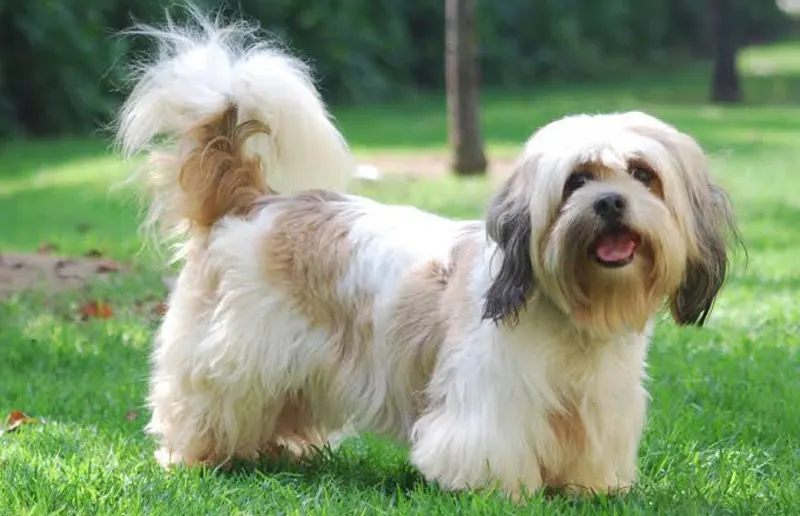 Lhasa Apso
Lhasa Apso Origin & History
The Lhasa Apso is an ancient Tibetan dog breed closely linked to Lhasa and Tibetan Buddhist culture. Its name and early history reflect the breed's strong connection with Tibet's monasteries, homes, and mountain communities. Understanding the origin and name of this Tibetan dog breed offers you a deeper appreciation of Lhasa’s rich cultural and spiritual heritage.
Where Did the Name Come From?
"Lhasa" refers to Tibet's sacred capital city, while "Apso" is believed to derive from the Tibetan Abso-yu-kye, meaning "bearded" or "goat-like." Together, the name highlights both its geographic homeland and its distinctively shaggy coat.
Where Did the Lhasa Apso Originate?
Originating over 2,000 years ago in the rugged Himalayan mountains, the Lhasa Apso was selectively bred by Tibetan nobility and Buddhist monks. Its keen hearing and alert nature made it a valued watchdog. The breed adapted well to Tibet's high-altitude environment and became part of everyday Tibetan life. Its long history offers a glimpse into the cultural heritage of the Tibetan Plateau.
Lhasa Apso Appearance & Characteristics
Compact yet sturdy, the Lhasa Apso stands out for its heavy, straight double coat that provides protection against the harsh Himalayan climate. Available in gold, cream, slate, black, or parti-color, the breed carries a heavily feathered tail curled over its back. Combined with dark, expressive eyes framed by facial hair, its proud posture naturally mirrors the revered Tibetan Snow Lion.
Lhasa Apso Temperament: Independent, Alert & Loyal
The Lhasa Apso has a confident personality shaped by its independent, alert, and loyal nature. Understanding its temperament can help you decide whether this Tibetan dog breed suits your family and lifestyle.
1) Is a Lhasa Apso Good for Families? Yes!
Highly loyal and deeply affectionate with their inner circle, Lhasa Apsos tend to be reserved around strangers. They fit well into quiet households that respect their independent nature.
2) Are Lhasa Apsos Easy to Train?
Their independent nature can make training challenging, so consistent and patient training works best. Their alert temperament also makes the Lhasa Apso a good watchdog despite its small size.
3) How Much Exercise Does a Lhasa Apso Need?
A Lhasa Apso needs regular but moderate exercise to stay healthy and active. Daily walks and short play sessions are usually enough for this small Tibetan dog breed. Lhasa Apso dogs also enjoy interactive games and indoor activities. Avoid excessive exercise, especially in hot weather, and allow plenty of time for rest. Regular exercise can support a Lhasa Apso's physical health and help prevent boredom.
Lhasa Apso Grooming & Care
The Lhasa Apso's long coat requires regular grooming and daily care. Proper brushing, bathing, and basic hygiene help keep this Tibetan dog breed healthy and comfortable.
Do Lhasa Apsos Shed?
Lhasa Apso dogs have a long double coat and typically shed less visibly than many other breeds. Loose hairs often remain caught in the dense coat rather than falling around the home. Regular brushing helps remove loose hair and keeps the coat healthy.
How to Groom a Lhasa Apso?
A Lhasa Apso needs regular brushing because its long coat can easily become tangled or matted. A full-length coat usually requires frequent brushing, along with regular bathing, nail trimming, and ear care. Many owners choose professional grooming to maintain the coat more easily.
Lhasa Apso Lifespan, Size & Health
The Lhasa Apso is a small dog breed with a relatively long lifespan and manageable care needs. Understanding its size, lifespan, and basic health needs can help owners provide better daily care.
1) How big do Lhasa Apsos get?
Lhasa Apsos are small dogs, usually standing about 25–28 cm (10–11 inches) tall at the shoulder. Most adults weigh around 5–8 kg (12–18 pounds). Their compact size made them well suited to traditional Tibetan homes and monasteries.
2) How long do Lhasa Apsos live?
Lhasa Apsos generally have a lifespan of around 12 to 15 years, although some can live longer with good care. A balanced diet, regular exercise, veterinary checkups, and proper grooming can support their health. Their relatively long lifespan is one reason the breed remains popular as a companion dog.
3) How Do You Keep a Lhasa Apso Healthy?
Regular veterinary checkups, a balanced diet, and proper dental and coat care can help keep a Lhasa Apso healthy. Daily exercise, good hygiene, and monitoring for changes in behavior or appetite also support its overall well-being.
Lhasa Apso and Tibetan Culture
For travelers exploring Tibet, encountering the Lhasa Apso is more than a simple animal sighting. It offers an authentic glimpse into the daily rhythm and living heritage of Lhasa. You can explore this heritage through the streets, monasteries, and traditional neighborhoods of Lhasa. These places offer a glimpse into the long relationship between Tibetan people, Buddhist culture, and local dogs.
Where to See Tibetan Dogs in Lhasa?
Barkhor Street: Barkhor Street surrounds Jokhang Temple in the heart of old Lhasa. Its narrow streets, traditional houses, and busy markets offer an authentic view of daily life. You may see local dogs near homes, shops, and quiet corners of the old city.
Traditional Teahouses & Monasteries: Traditional teahouses are an important part of everyday life in Lhasa. Monasteries and surrounding communities also reflect the close connection between people, animals, and Tibetan Buddhist traditions. Here, you will often find resident dogs resting quietly beside monks or sunbathing in courtyards. Such moments can add a personal touch to a cultural journey through Tibet.
How to Interact with Dogs in Tibet?
Respect local animals during your Tibet trip. Do not approach, touch, or feed a dog without the owner's permission. Give animals enough space and avoid sudden movements or loud noises. At monasteries and religious sites, follow local rules and avoid disturbing animals or worshippers. Respectful behavior helps preserve the welcoming character of Tibetan communities.
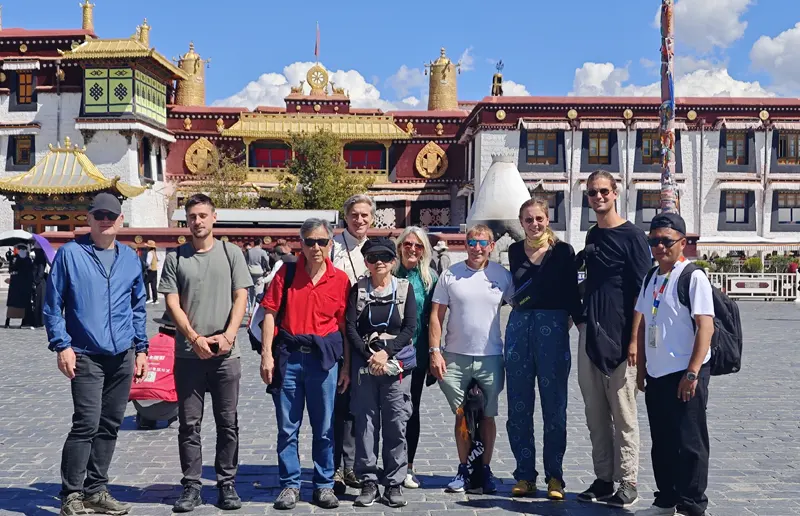 Lhasa Tour
FAQs about Lhasa Apso
1) What is a Lhasa Apso known for?
The Lhasa Apso is known for its long, flowing coat, alert personality, and loyal nature. This Tibetan dog breed
is also famous for its ancient roots in Tibet and its historical role as a companion and watchdog in Tibetan
monasteries and homes.
2) What are the disadvantages of a Lhasa Apso?
Lhasa Apso dogs can be independent and sometimes stubborn, so they may require patient training. Their long coat
also needs regular grooming to prevent tangles and mats. They can be wary of strangers and may not suit
travelers or families looking for a very easygoing dog.
3) Which is better, Lhasa Apso or Shih Tzu?
The better choice depends on your lifestyle and preferences. A Lhasa Apso is generally more independent and
alert, while a Shih Tzu is often more outgoing and companion-oriented. For travelers interested in Tibetan
heritage, the Lhasa Apso also has a particularly strong historical connection with Tibet.
Conclusion
The Lhasa Apso is far more than a beloved dog breed. It is a living symbol of Tibet's spiritual traditions, royal history, and enduring cultural heritage. The breed originated as a valued guardian in Tibetan monasteries. Today, local dogs can still be seen in the streets and communities of Lhasa. For travelers, the Lhasa Apso offers a unique connection to the history and culture of the Tibetan Plateau.
2 years exp.| 5.0
 | Reviews
Tell me about your travel plan or contact me via inquiry@tibettourism.com
Related Tibet Travel Guide and Advice

Most Popular Tibet Tour Packages
-
![Lhasa Everest Base Camp Kathmandu Overland Small Group Tour]() Small Group Tour
Small Group Tour7 Days Lhasa Everest Base Camp Kathmandu Overland Small Group Tour
Promo: Classic overland travel route from Lhasa to Kathmandu via Gyirong / Nyalam
Dates & Price
![rili]()
![xiala]()
-
![Lhasa Shigatse Mount Everest Small Group Tour]() Small Group Tour
Small Group Tour8 Days Lhasa Shigatse Mount Everest Small Group Tour
Promo: Once-in-a-lifetime chance to face the tallest mountain in the world
Dates & Price
![rili]()
![xiala]()
-
![Kathmandu to Lhasa Overland Small Group Tour with EBC]() Small Group Tour
Small Group Tour8 Days Kathmandu to Lhasa Overland Small Group Tour with EBC
Promo: Drive Across Himalaya Overland Tour with altitude rising slowly
Dates & Price
![rili]()
![xiala]()



.webp)


Please share your contact information, so we can send you the answer directly by email.

