
 inquiry@tibettourism.com


.webp)


Tibet Climate and Weather Map: Regional Features, Seasons & Top Attractions


.webp) Content
ContentTibet sits on the vast Qinghai-Tibet Plateau, where dramatic mountain landscapes meet diverse and unpredictable highland weather. Its climate is shaped by complex terrain, altitude, and atmospheric circulation, creating significant regional and seasonal variations. From the humid mountain climate in the south to the colder conditions of the northern plateau, Tibet offers distinct weather patterns across its regions. This guide explores the Tibet climate and weather map, regional climate features, seasonal changes, and weather conditions at major attractions to help you plan a safe and enjoyable Tibet tour.
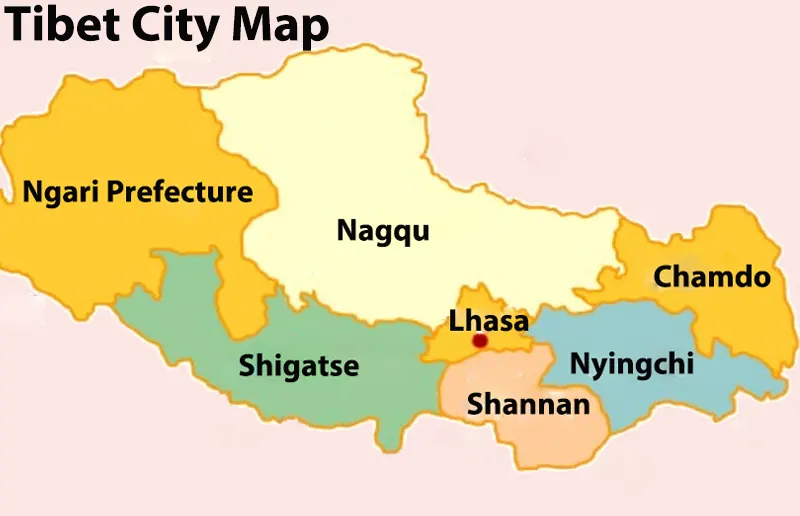
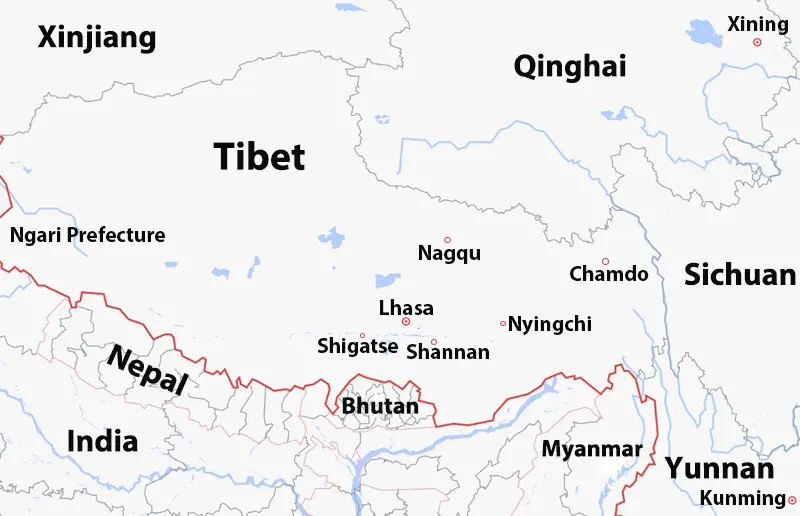
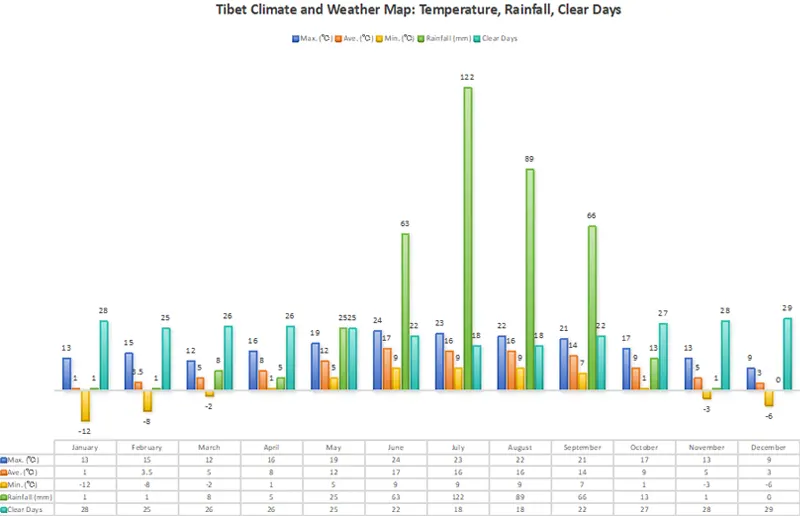 Tibet Climate and Weather Map
Understanding the Major Features of Tibet Weather and Climate
Tibet climate is shaped by high elevation, complex terrain, strong solar radiation, and seasonal monsoon activity. These factors create noticeable differences in temperature, rainfall, and weather conditions across the region.
1) High Altitude, Strong UV Radiation, and Low Oxygen Levels
Tibet’s high elevation results in thinner air, lower oxygen levels, and stronger ultraviolet (UV) radiation. Daytime sunlight can feel intense, even when temperatures are low. This combination of cold air and strong sunlight creates a sharp contrast between warmth in direct sunlight and chill in shaded areas.
2) Extreme Temperature Differences Between Day and Night
Tibet often experiences significant temperature changes between day and night. Sunny afternoons may feel warm, while evenings and early mornings can become very cold. Even in spring and autumn, daytime sunshine can make the weather feel mild, but temperatures drop rapidly after sunset. Temperatures also vary across different elevations and regions.
3) The Monsoon Influence: Dry Seasons vs. Rainy Seasons
Tibet's annual weather pattern is dictated by the Indian Ocean monsoon, dividing the year into a distinct dry season and rainy season:
Dry Season (October to May): Characterized by low humidity, clear skies, crisp mountain visibility, and minimal precipitation, making it the ideal window for mountain views and high-pass trekking.
Rainy Season (June to September): It brings increased rainfall, mostly in the form of overnight showers. The higher humidity supports vegetation growth. As a result, the valleys in southern and eastern Tibet become lush and green.
Tibet Weather by Region: Climate, Wind Speed & Daylight Hours
Tibet’s regional weather varies with elevation, terrain, and seasonal conditions. Understanding these differences in temperature, wind, and daylight hours can help you prepare for your Tibet tour.
1) Regional Temperature & Climate Variations Across the Tibetan Plateau
Tibet’s temperature and climate vary significantly across different elevations and regions. Lower valleys, such as those around Lhasa and Nyingchi, generally have milder conditions than the high plateau and mountain areas. Southern Tibet often experiences more seasonal rainfall, while northern and western regions tend to be colder and drier. These regional differences influence the best time to visit each destination.
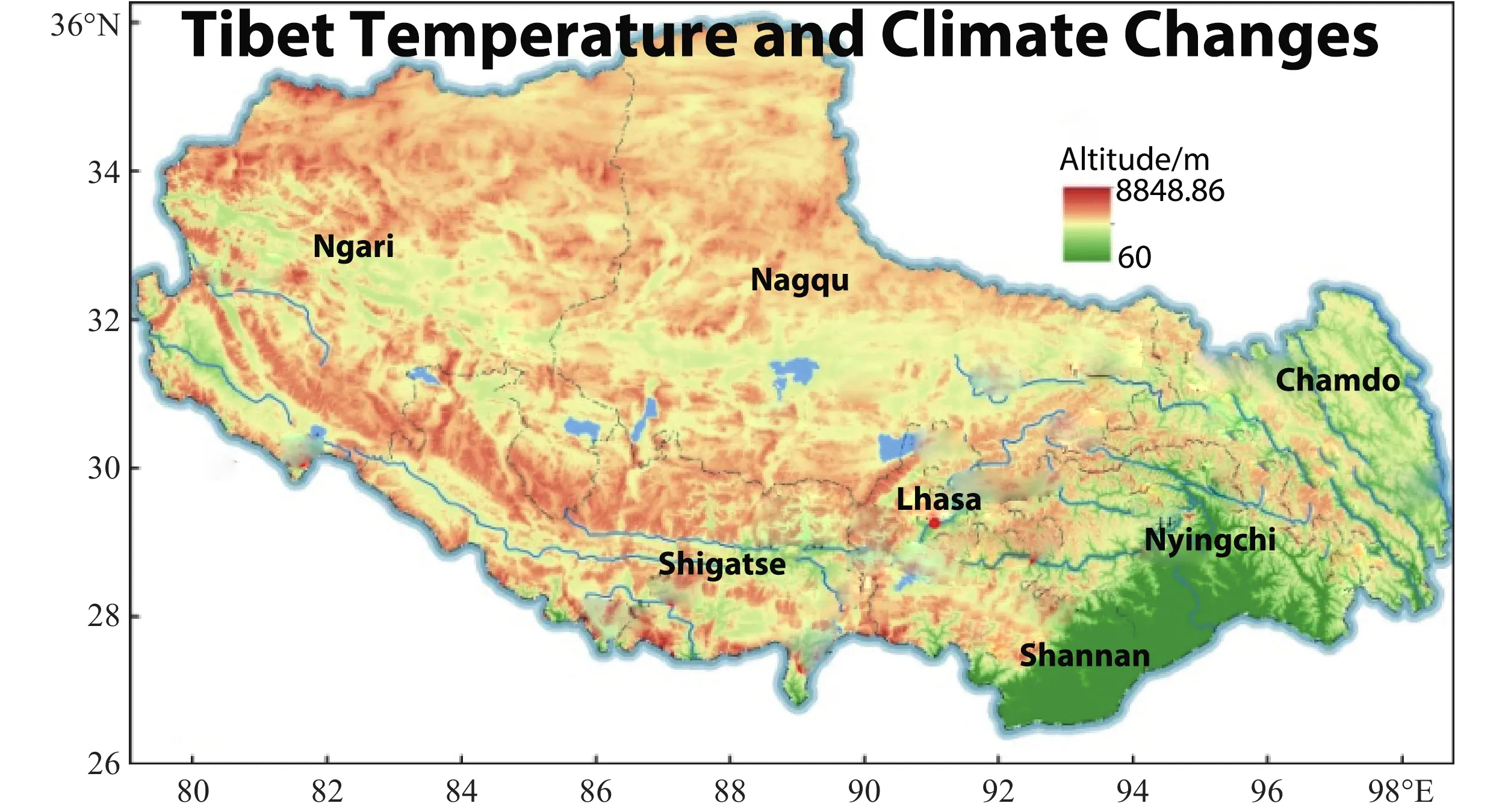 Temperature and Climate Changes Across Regions of Tibet
2) Regional Wind Patterns: Valleys, Open Plateaus & Mountain Passes
Wind conditions vary across Tibet’s valleys, open plateaus, and mountain passes. Sheltered valleys may experience lighter winds, while exposed plateaus and high mountain passes can have stronger gusts, especially in winter and during changing weather. Wind can also make high-altitude areas feel colder than the recorded temperature. Bring windproof layers when traveling through exposed areas.
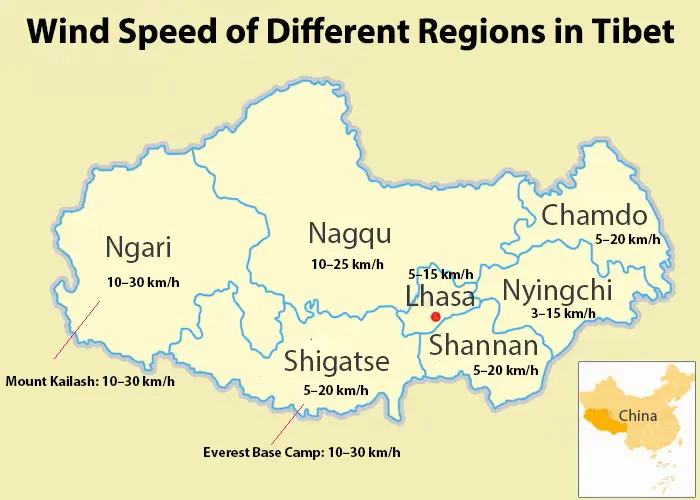 Wind Speed of Different Regions in Tibet
3) Daylight Hours & Sunshine Duration: Regional and Seasonal Variations
Tibet receives an extraordinary amount of solar radiation, averaging 3,000 to 3,400 hours of sunshine annually. Daylight hours fluctuate seasonally, ranging from approximately 10.5 hours in December to over 14 hours in June. Central and western regions enjoy bright, direct sunlight for over 8 hours a day year-round. However, eastern forested valleys receive slightly fewer sunshine hours due to cloud cover and monsoon precipitation.
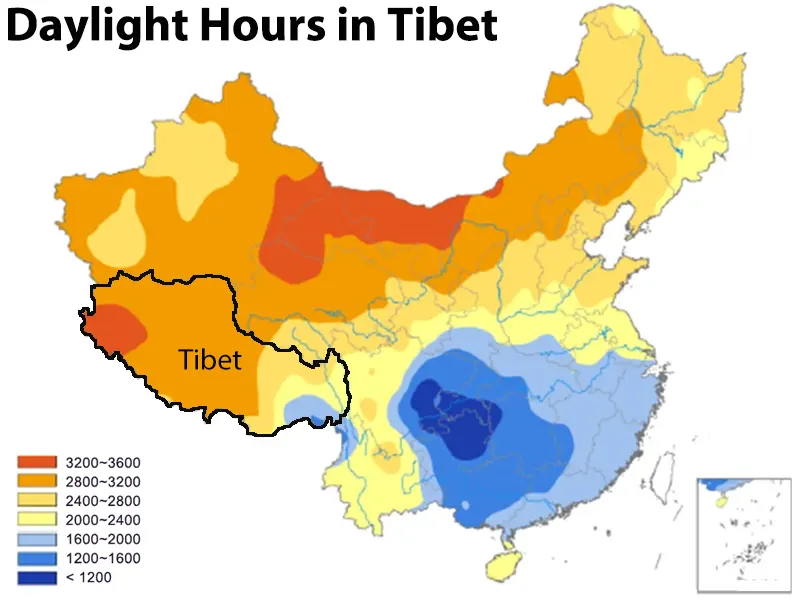 Daylight Hours in Tibet
Tibet Weather by Month: Temperature & Rainfall
Tibet experiences four distinct seasons, with noticeable differences in temperature. Spring and autumn are generally mild and dry, while summer is warmer and wetter, especially in southern and eastern Tibet. Winter is cold and dry, with large temperature differences between day and night.
Spring (March–May): Temperatures rise, with average daytime temperatures ranging from 8°C to 18°C.
Summer (June–August): The warmest and wettest season, with average temperatures of 12°C to 23°C.
Autumn (September–November): Clear and crisp weather, with average temperatures ranging from 5°C to 16°C.
Winter (December–February): Sunny but cold, with nighttime temperatures dropping sharply to -10°C to -15°C.
Because altitude and terrain vary widely, the Tibet weather can change significantly between regions. The following monthly table provides approximate temperature and rainfall patterns to help you plan your Tibet tour.
| Month | Max. (℃) | Ave. (℃) | Min. (℃) | Rainfall (mm) | Clear Day |
|---|---|---|---|---|---|
| January | 13 | 1 | -12 | 1 | 28 |
| February | 15 | 3.5 | -8 | 1 | 25 |
| March | 12 | 5 | -2 | 8 | 26 |
| April | 16 | 8 | 1 | 5 | 26 |
| May | 19 | 12 | 5 | 25 | 25 |
| June | 24 | 17 | 9 | 63 | 22 |
| July | 23 | 16 | 9 | 122 | 18 |
| August | 22 | 16 | 9 | 89 | 18 |
| September | 21 | 14 | 7 | 66 | 22 |
| October | 17 | 9 | 1 | 13 | 27 |
| November | 9 | 3 | -6 | 0 | 29 |
| Month | Max. (℃) | Ave. (℃) | Min. (℃) | Rainfall (mm) | Clear Day |
|---|---|---|---|---|---|
| January | 13 | 1 | -12 | 1 | 28 |
| February | 15 | 3.5 | -8 | 1 | 25 |
| March | 12 | 5 | -2 | 8 | 26 |
| April | 16 | 8 | 1 | 5 | 26 |
| May | 19 | 12 | 5 | 25 | 25 |
| June | 24 | 17 | 9 | 63 | 22 |
| July | 23 | 16 | 9 | 122 | 18 |
| August | 22 | 16 | 9 | 89 | 18 |
| September | 21 | 14 | 7 | 66 | 22 |
| October | 17 | 9 | 1 | 13 | 27 |
| November | 9 | 3 | -6 | 0 | 29 |
Weather & Climate at Top Tibetan Attractions
Tibet’s weather varies by altitude, region, and season. Understanding the climate at major attractions helps you prepare for your Tibet tour, plan outdoor activities, and manage changing road conditions.
1) Lhasa Weather: The Sun-Drenched Heart of Tibet
Lhasa, known as the “City of Sunshine,” enjoys a mild, high-altitude monsoon climate with over 3,000 hours of sunshine annually. Summers are mild and wetter, while winters are cold and dry, with significant day-night temperature differences. Pack sunscreen, layered clothing, and a warm jacket for cooler mornings and evenings during your Lhasa tour.
Weather in Lhasa:
Spring: -2℃-12℃
Summer: 9℃-22℃
Autumn: 7℃-19℃
Winter: -7℃-9℃
Major Attractions in Lhasa:
Potala Palace (the most iconic landmark in Tibet)
Jokhang Temple (the spiritual heart of Lhasa)
Barkhor Street (walk the Barkhor Kora around Jokhang Temple)
Sera Monastery (famous for its lively monk debates)
Drepung Monastery (one of the largest Gelug monasteries in Tibet)
Ganden Monastery (enjoy panoramic views of the Lhasa Valley)
Namtso Lake (enjoy stunning lake views at one of Tibet’s most sacred lakes)
2) Shigatse Weather: Cool Days and Clear Himalayan Views
Shigatse enjoys a cool, dry high-altitude climate with abundant sunshine and significant day-night temperature differences. Summers are mild with occasional rainfall, while winters are cold and dry. Spring and autumn often offer clear skies and pleasant conditions for sightseeing. Pack sunscreen, layered clothing, and a warm jacket for your Shigatse tour, especially when visiting EBC.
Weather in Shigatse:
Spring: -11℃-14℃
Summer: 4℃-24℃
Autumn: 0℃-21℃
Winter: -13℃-12℃
Major Attractions in Shigatse:
Pelkor Chode Monastery & Kumbum Stupa (famous for its multi-tiered architecture and vibrant murals)
Gawu La Pass (enjoy panoramic views of the Himalayan mountains)
Everest Base Camp (enjoy spectacular views of Mount Everest)
Tashilhunpo Monastery (the traditional seat of the Panchen Lamas)
Rongbuk Monastery (the highest monastery in the world, located near EBC)
Sakya Monastery (explore its unique Tibetan Buddhist architecture and history)
3) Nyingchi Weather: Mild Climate and Lush Mountain Landscapes
Nyingchi enjoys a relatively mild and humid climate compared with many other regions of Tibet. Lower valleys experience warmer temperatures, while mountain areas remain cooler. Spring brings blooming flowers, summer is wetter, and autumn often offers clear mountain views. Winters are relatively mild in lower areas but cold at higher elevations. Pack layered clothing, sunscreen, and a rain jacket for your Nyingchi tour.
Weather in Nyingchi:
Spring: -3℃-21℃
Summer: 7℃-28℃
Autumn: 7℃-26℃
Winter: -8℃-15℃
Major Attractions in Nyingchi:
Nyingchi Peach Blossom Village (Gala village surrounded by blooming wild peach trees in spring)
Lulang Forest (a breathtaking alpine meadow surrounded by dense pine and spruce forests)
Mount Namcha Barwa (one of Tibet's most iconic and revered snow-capped peaks)
Basum Tso Lake (a sacred green alpine lake with a historic island monastery)
Midui Glacier (one of China's most beautiful glaciers, famous for its grand icefalls)
Sejila Mountain Pass (a famous mountain pass offering panoramic views of the Himalayas and rhododendron forests)
4) Shannan Weather: Mild Valleys and High-Altitude Mountain Climate
Shannan (Lhokha), recognized as the birthplace of Tibetan civilization, features a temperate, high-altitude valley climate protected by the Himalayas. Thanks to its lower average elevation compared to western Tibet, Shannan enjoys milder winters and pleasantly warm summers. The region experiences significant daytime sunshine and notable day-night temperature fluctuations. Pack sunscreen, layered clothing, and a warm jacket for your Shannan tour.
Weather in Sannan:
Spring: -6℃-10℃
Summer: 10℃-22℃
Autumn: 8℃-20℃
Winter: -7℃-9℃
Major Attractions in Shannan:
Yamdrok Lake (enjoy stunning turquoise waters and mountain scenery)
Yumbulagang (the first palace in Tibetan history, perched dramatically on a hilltop)
Samye Monastery (the first Buddhist monastery built in Tibet, designed as a physical 3D mandala)
Trandruk Temple (one of Tibet's earliest Buddhist temples, housing the famous Pearl Thangka)
5) Ngari Weather: Cold, Dry Climate and Extreme High-Altitude Conditions
Ngari (Ali), located in remote western Tibet at an average elevation exceeding 4,500 meters, experiences an extreme alpine desert climate with severe cold, strong winds, intense UV radiation, and low oxygen levels. Summers offer mild daytime temperatures, while nights drop rapidly near or below freezing, and winter brings harsh, sub-zero conditions that block mountain passes. Pack heavy thermal wear, windproof down jackets, sturdy trekking boots, high-SPF sun protection, and lip balm for your trip to Ngari.
Weather in Ngari:
Spring: -11℃-12℃
Summer: 3℃-24℃
Autumn: -5℃-21℃
Winter: -26℃-6℃
Major Attractions in Ngari:
Mount Kailash (the ultimate sacred pilgrimage peak for Hindus, Buddhists, Jains, and Bonpos)
Lake Mansarovar (a holy high-altitude lake prized for its clear waters and spiritual importance)
Guge Kingdom Ruins (an ancient cliffside citadel preserving thousand-year-old murals and historic royal
architecture)
Zanda Earth Forest (discover unique landscapes shaped by erosion)
Pangong Tso Lake (explore high-altitude lakes and Himalayan scenery)
Shiquanhe Town (the administrative center and main logistics hub of Ngari Prefecture)
Conclusion
Understanding Tibet’s climate, regional weather, and seasonal changes helps you plan a safer and more enjoyable journey. From Lhasa’s sunny streets to Nyingchi’s lush landscapes and Ngari’s high-altitude mountains, each region offers unique travel experiences. Check local weather conditions, prepare suitable clothing, and choose the best season for your Tibet tour.
2 years exp.| 5.0
 | Reviews
Tell me about your travel plan or contact me via inquiry@tibettourism.com
Related Tibet Travel Guide and Advice


Most Popular Tibet Tour Packages
-
![Lhasa Everest Base Camp Kathmandu Overland Small Group Tour]() Small Group Tour
Small Group Tour7 Days Lhasa Everest Base Camp Kathmandu Overland Small Group Tour
Promo: Classic overland travel route from Lhasa to Kathmandu via Gyirong / Nyalam
Dates & Price
![rili]()
![xiala]()
-
![Lhasa Shigatse Mount Everest Small Group Tour]() Small Group Tour
Small Group Tour8 Days Lhasa Shigatse Mount Everest Small Group Tour
Promo: Once-in-a-lifetime chance to face the tallest mountain in the world
Dates & Price
![rili]()
![xiala]()
-
![Kathmandu to Lhasa Overland Small Group Tour with EBC]() Small Group Tour
Small Group Tour8 Days Kathmandu to Lhasa Overland Small Group Tour with EBC
Promo: Drive Across Himalaya Overland Tour with altitude rising slowly
Dates & Price
![rili]()
![xiala]()


.webp)


Please share your contact information, so we can send you the answer directly by email.

