
 inquiry@tibettourism.com








Horses in Tibet: Breeds, Characteristics, Culture & Horse Riding


 Content
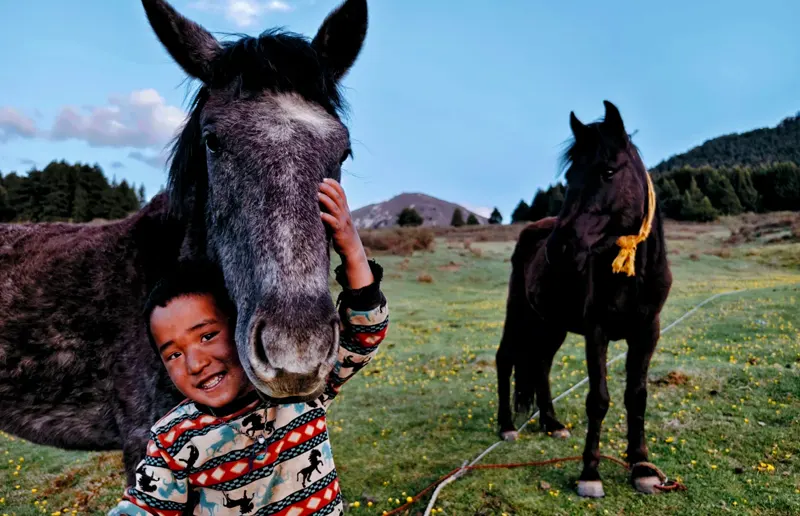
Horses have played an important role in life on the Tibetan Plateau for centuries. They have helped local people travel across grasslands, transport goods, and manage daily tasks in harsh high-altitude environments. Horses in Tibet are generally strong, sturdy, and well adapted to thin air, cold weather, and rugged terrain. Beyond their practical uses, they are deeply connected to Tibetan culture and traditions. Today, you can learn about their history, watch traditional horse racing festivals, and enjoy horseback riding across Tibet's beautiful grasslands.
 Horses in Tibet
Physical Characteristics & High-Altitude Adaptations of Tibetan Horses
Tibetan horses have physical features that help them thrive in the challenging environment of the Tibetan Plateau. Their compact bodies, strong legs, and thick coats make them well suited to mountain life.
1.1 Size, Strength, and Physical Features of Tibetan Horses
Unlike tall Western thoroughbreds, Tibetan horses are generally small to medium-sized. They have broad chests, strong legs, and thick winter coats that protect them from the cold. Despite their relatively small size, they can carry heavy loads over long distances. Tibetan horses are also sure-footed. Their strong hooves and good balance help them navigate steep slopes, rocky paths, and uneven mountain trails.
1.2 How Tibetan Horses Survive Extreme Altitude and Cold?
Living at elevations of 3,000 to over 4,000 meters, Tibetan horses are adapted to low-oxygen conditions. This allows them to remain active and travel across the high-altitude grasslands. Tibetan horses grow thick winter coats, manes, and tails to protect themselves from freezing temperatures and strong winds. They can also feed on sparse alpine grasses, allowing them to survive the plateau's harsh winters.
Major Horse Breeds and Regional Types in Tibet
The Tibetan Plateau is home to several indigenous horse breeds and regional types. Four notable examples are the Tibetan pony, Nangchen horse, Hequ horse, and Riwoche horse.
2.1 Tibetan Pony: The Hardy Plateau Horse
The Tibetan pony is one of the best-known indigenous horse types on the Tibetan Plateau. It has a compact body, sturdy legs, and good endurance, allowing it to travel across high-altitude grasslands and mountain trails. Traditionally, local herders have used these ponies for transportation, carrying goods, and daily farm work.
2.2 Nangchen Horse: A Famous Horse from Eastern Tibet
The Nangchen horse originates from the Nangchen area of present-day Yushu, Qinghai, in the traditional Kham region of eastern Tibet. Known for its speed, agility, and stamina, it was highly valued by local communities for riding and long-distance travel. European explorers also documented its distinctive qualities and reputation as a capable riding horse.
2.3 Hequ Horse: The Strong Horse of the Amdo Region
The Hequ horse originates from the grasslands of the northeastern Tibetan Plateau, particularly the traditional Amdo region. Larger than the Tibetan pony, it has a sturdy build and is commonly used for riding, carrying loads, and farm work. It has long served Tibetan and other pastoral communities in the region.
2.4 Riwoche Horse: A Rare Horse from Eastern Tibet
The Riwoche horse is a rare regional horse type associated with the Riwoche area of Chamdo in eastern Tibet. It attracted international attention after being documented by explorers in the 1990s. Its relatively small body and distinctive physical features have drawn interest from researchers and horse enthusiasts. Some observers have also compared its appearance with horses depicted in ancient cave paintings.
Where Tibetan Horses Live and How They Adapt to Plateau Life
Tibetan horses are closely connected to the plateau's grasslands and traditional nomadic lifestyle. Many live in open pastures alongside yaks and sheep, adapting to seasonal changes in the highland environment.
3.1 Where Do Tibetan Horses Live?
Tibetan horses can be found across the plateau, particularly in the Changtang grasslands of northern Tibet and the river valleys of Kham and Amdo. They also live near nomadic settlements and mountain pastures.
Many herds roam freely around seasonal nomadic camps rather than staying in enclosed pastures. They graze over wide areas during warmer months and move to more sheltered places as winter approaches.
3.2 How Do Local Herders Raise and Care for Horses?
Tibetan nomads, known as Drokpa, traditionally raise horses alongside yaks and sheep on the plateau's grasslands. Herders monitor their horses' health, manage breeding, and provide care when necessary.
Herders bring horses into camp when needed for seasonal migrations, transportation, or summer racing festivals. They also train them for riding and other daily tasks. This traditional practice remains part of pastoral life on the Tibetan Plateau.
Horses in Tibetan Culture, History & Buddhism
Horses have played an important role in Tibetan history and culture. They were once essential to regional trade and remain visible in traditional beliefs, craftsmanship, and festivals.
4.1 The Tea Horse Road: Horses in Ancient Tibetan Trade
The Ancient Tea Horse Road, known as Chama Gudao in Chinese, was a historic trade network linking Tibet with Sichuan and Yunnan. For centuries, horses and mules carried tea, salt, wool, and other goods across mountain passes and remote valleys. Tea from the Chinese Mainland was highly valued in Tibet, while Tibetan horses and local products were traded in return. Horses made it possible to transport goods across difficult mountain routes. The Tea Horse Road also encouraged trade and cultural exchange between Tibetan communities and neighboring regions, highlighting the importance of horses in Tibet's history.
4.2 Symbolism in Tibetan Buddhism: The Wind Horse (Lungta)
The Wind Horse, known as Lungta in Tibetan, is a symbol of good fortune, vitality, and positive energy in Tibetan beliefs. It often appears at the center of Tibetan prayer flags, surrounded by sacred symbols and mantras. According to local beliefs, the wind carries the prayers and blessings printed on these flags across the land, spreading peace and good fortune. The Wind Horse reflects the lasting influence of horses in Tibetan spiritual traditions.
4.3 Traditional Tibetan Saddles, Tack & Horsemanship
Traditional Tibetan saddles often feature carved wooden frames, silver or metal inlays, and colorful woven blankets. Their decorative patterns reflect local craftsmanship and may indicate the owner's social status. Traditional riding equipment also includes bridles, reins, and stirrups designed for use on mountain trails. Horse riding has long been an important skill among Tibetan nomads, helping them manage livestock, travel across grasslands, and take part in local festivals. Traditional saddles and riding techniques remain an important part of Tibetan cultural heritage.
Famous Horse Racing Festivals in Tibet
Horse racing is a popular traditional activity across the Tibetan Plateau. Local festivals bring communities together to celebrate Tibetan culture and showcase impressive riding skills.
5.1 Nagqu Horse Racing Festival (Northern Tibet)
The Nagqu Horse Racing Festival is one of the best-known traditional events in northern Tibet. Usually held in August on the Changtang grasslands, it attracts Tibetan herders from different areas. Riders dressed in colorful traditional clothing compete in horse races and showcase their riding skills. You can also experience local music, dance, and pastoral traditions.
5.2 Litang Horse Racing Festival (Kham Region)
The Litang Horse Racing Festival takes place in Litang County, Garze Tibetan Autonomous Prefecture, Sichuan Province, within the traditional Kham region. Usually held in August, the festival attracts Tibetan communities from nearby areas. Khampa riders showcase their horsemanship through exciting races and traditional riding performances, sometimes standing on moving horses. Colorful costumes, folk songs, and dancing add to the celebrations. The event offers you a glimpse into the horse-riding traditions of the Khampa people.
5.3 Gyantse Damar Festival (Shigatse City)
Dating back to the 14th century, the Damar Festival is one of Tibet's oldest traditional celebrations. It usually takes place in July or August, although the dates vary each year. Horse racing, archery, traditional sports, folk dancing, and singing are among its main activities. The festival offers you a chance to experience Gyantse's rich cultural heritage and traditional equestrian activities.
Note: Festival dates vary each year. Please confirm the current schedule before departure.
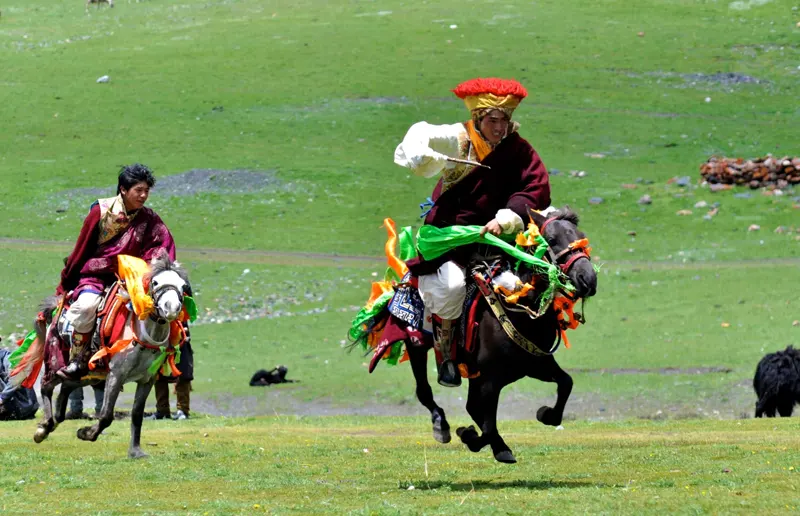 Horse Racing Festivals in Tibet
Horse Riding in Tibet: Best Places, Seasons, and Travel Tips
Horse riding offers a different way to explore Tibet's grasslands, forests, and mountain landscapes. The following locations, seasons, and practical tips can help you plan your experience.
6.1 Best Places for Horse Riding in Tibet
From peaceful forest trails to open grasslands and mountain routes, Tibet offers different riding experiences. Popular areas include:
1) Mysterious Forest in Linzhou County
The Mysterious Forest in Linzhou County, near Lhasa, is a good choice for a relaxing horseback ride. Its woodland trails, open grasslands, and waterways create a scenic setting for exploring on horseback. Local horse handlers can provide guidance, making it suitable for beginners.
2) Yamdrok Lake and the Southern Valleys
The areas around Yamdrok Lake and the southern valleys offer beautiful settings for short horseback rides. You can enjoy views of turquoise waters, rolling hills, and traditional Tibetan villages. Where local riding services are available, experienced handlers can accompany you.
3) Namtso Lake and the Northern Grasslands
The grasslands around Namtso Lake feature open plains, distant mountains, and grazing livestock. Short rides may be available through local herders or seasonal tourism services, depending on the location, weather, and local arrangements.
4) Mount Kailash Horse Riding Kora
Mount Kailash offers a unique high-altitude trekking experience in western Tibet. During the Kailash Kora, you can hire local horses and handlers to help with certain sections of the route. However, horses cannot carry riders across the steep Dolma La Pass (about 5,630 meters). They may help reduce walking distances on some gentler sections of the trail.
5) Eastern Tibet, Kham, and Amdo
The grasslands of Kham and Amdo are suitable for travelers interested in traditional nomadic culture and longer riding trips. With arrangements from experienced local operators, you may join guided rides or multi-day horseback treks through mountain valleys and remote settlements. These trips require good preparation and are best suited to travelers with some riding experience and reasonable fitness.
6.2 Best Time for Horse Riding in Tibet
The best time for horse riding in Tibet is generally from June to October. During this period, temperatures are milder, and grasslands are usually more accessible. However, weather conditions vary by region and altitude, so check local conditions before your Tibet trip.
| Season | Riding Conditions |
|---|---|
| Spring (April–May) | Cold weather may limit riding in some high-altitude areas. |
| Summer (June–August) | Generally suitable for grassland rides and outdoor activities. |
| Autumn (September–October) | Cooler weather and good opportunities for scenic rides. |
| Winter (November–March) | Very cold conditions make riding less suitable in many areas. |
6.3 Horse Riding Safety Tips and Altitude Precautions in Tibet
Horse riding in Tibet requires extra care because of the high altitude, strong sunlight, and changing weather. Even experienced riders should take time to adjust to the plateau environment.
1) Allow Time to Acclimatize
Avoid strenuous riding immediately after arriving in Tibet. Spend the first few days resting and acclimatizing to the altitude.
2) Choose Responsible Local Horse Handlers
Book through reputable local operators or experienced herders. Make sure the horses are healthy, properly equipped, and well cared for.
3) Wear Suitable Clothing and Riding Gear
Tibet's weather can change quickly, even in summer. Pack the following essentials:
Sun protection: Sunglasses, sunscreen, and a wide-brimmed hat.
Layered clothing: A warm jacket, breathable base layers, and windproof outerwear.
Footwear: Sturdy, comfortable shoes with good grip.
Riding gear: A properly fitted helmet, riding trousers, and gloves.
Water and snacks: Enough drinking water and light snacks for longer rides.
Conclusion
Horses have shaped life on the Tibetan Plateau for centuries, from traditional transportation and nomadic activities to cultural celebrations and horse racing festivals. Whether you want to learn about Tibetan horse breeds, explore their cultural significance, or enjoy a ride across scenic grasslands, discovering horses offers another way to experience Tibet's unique heritage and landscapes.
2 years exp.| 5.0
 | Reviews
Tell me about your travel plan or contact me via inquiry@tibettourism.com
Related Tibet Travel Guide and Advice
Most Popular Tibet Tour Packages
-
![Lhasa Shigatse Mount Everest Small Group Tour]() Small Group Tour
8 Days Lhasa Shigatse Mount Everest Small Group Tour
Promo: Once-in-a-lifetime chance to face the tallest mountain in the world
Dates & Price
![rili]()
![xiala]()
-
![Kathmandu to Lhasa Overland Small Group Tour with EBC]() Small Group Tour
8 Days Kathmandu to Lhasa Overland Small Group Tour with EBC
Promo: Drive Across Himalaya Overland Tour with altitude rising slowly
Dates & Price
![rili]()
![xiala]()
-
![Lhasa Everest Kailash Mansarovar Zhangmu Kathmandu Small Group Tour]() Small Group Tour
12 Days Lhasa Everest Kailash Mansarovar Zhangmu Kathmandu Small Group Tour
Promo: Uncover the spiritual and natural secrets hidden within Tibet
Dates & Price
![rili]()
![xiala]()




Please share your contact information, so we can send you the answer directly by email.

