
 inquiry@tibettourism.com


.webp)


A Pilgrim’s Guide: Navigating the Ngari Northern Route from Lhasa to Sacred Mount Kailash


.webp) Content
ContentEmbarking on the Ngari Northern Route from Lhasa to the sacred Mount Kailash is a journey of breathtaking contrasts, where vast, serene plateaus meet the rugged grandeur of the Himalayas, and where Tibetan culture, ancient monasteries, and natural wonders converge. This 1,300 km route traverses dramatic landscapes and spiritual landmarks, offering intrepid travelers a chance to explore Tibet's wild heart. The journey passes through awe-inspiring landscapes, including shimmering lakes, towering mountains, and ancient monasteries. This trip is ideal for adventurous travelers seeking both natural beauty and cultural richness.
Whether you're a pilgrim aiming to complete the sacred kora around Mount Kailash or a nature lover chasing the raw beauty of Tibet, this route provides an unforgettable experience. However, the high altitude and remote conditions mean careful planning is crucial. In this guide, we'll cover essential information on distance, road conditions, itinerary suggestions, and travel tips to ensure your journey is both safe and fulfilling.
1. Lhasa to Kailash Ngari Northern Route Distance and Road Conditions: 1,200km
The journey along the Ngari Northern Route from Lhasa to Mount Kailash is about 1,200 km, passing through some of Tibet's most scenic and culturally significant sites. Major stops include Namtso Lake, the largest saltwater lake in Tibet, and Serling Tso. After reaching Wenbu South Village, travelers continue toward Shiquanhe, and then onward to the ancient Guge Kingdom, visiting the Zanda Earth Forest and Tholing Monastery. Then you'll reach Darchen, the starting point for the three-day trek around Mount Kailash. The road conditions vary significantly, ranging from smooth paved highways to bumpy gravel paths and challenging off-road stretches. Some sections are well-maintained, while others can be rough due to high altitude and weather erosion.
For this journey, a 4WD vehicle is highly recommended. It can navigate both paved roads and the more rugged sections effectively. When hiring a vehicle, consider options like:
4WD SUVs: These provide comfort and stability on rough terrain. Expect to pay around $120-$180 per day for a well-maintained 4WD with an experienced driver.
Mini Vans or Group Buses: If traveling with a larger group, renting a mini van or bus can be economical. Prices typically range from $230 to $380 per day, depending on the vehicle's size and amenities.
To enhance your journey along the Ngari Northern Route to Mount Kailash, Tibet Horizon offers fully guided Kailash tours with experienced drivers and vehicles specially equipped for the region's rugged terrain. Our team ensures that each vehicle is prepared for high-altitude driving, providing a safe and comfortable experience as you traverse Tibet's breathtaking landscapes. This service not only guarantees your safety but also allows you to fully immerse yourself in the cultural landmarks and stunning scenery along the way, creating a more enriching and memorable journey.
 Ngari Northern Route Map
2. Lhasa to Kailash Ngari Northern Route Tour Duration: 10-20 Days
Embarking on the journey from Lhasa to Mount Kailash typically takes between 10 to 20 days. This timeframe allows travelers to fully appreciate the diverse landscapes, rich cultural experiences, and spiritual significance of the region. A well-planned itinerary begins in Lhasa, where travelers should spend at least one night to acclimatize and visit iconic sites like the Jokhang Temple and Potala Palace. Following this, a stay in Wenbu South Village is recommended to provide additional rest before the journey towards Kailash.
Acclimatization is crucial, especially for those planning to undertake the kora around Mount Kailash, which sits at an altitude exceeding 4,500 meters. To reduce the risk of altitude sickness, it's wise to allow extra days for your body to adjust. This might involve spending additional time at lower elevations, taking gradual ascents, and listening to your body's signals.
You should remain flexible with your plans, factoring in possible delays due to weather changes or road conditions. A well-prepared journey that accommodates potential adjustments ensures a safer and more enjoyable experience, allowing you to take in stunning landscapes and spiritual landmarks along the way.
With these considerations in mind, you can fully embrace the adventure, making the most of your journey from Lhasa to the sacred peaks of Mount Kailash.
3. Key Scenic Spots Along Ngari Northern Route from Lhasa to Kailash
From Lhasa to Kailash via Ngari northern route, you'll encounter some of Tibet's most iconic and spiritually significant landscapes. These attractions not only provide breathtaking views but also offer a glimpse into the rich cultural and spiritual heritage of Tibet.
Namtso Lake: Namtso Lake, one of the three sacred lakes in Tibet, is known for its crystal-clear turquoise waters and surrounding snow-capped mountains. Located at an altitude of over 4,700 meters, the lake is a significant pilgrimage site for Tibetan Buddhists, offering serene landscapes and stunning sunsets. Visitors often hike around the lake to appreciate its spiritual significance and unspoiled beauty.
 Namsto Lake
Serling Tso Lake: Serling Tso is the largest lake in Tibet, located in the Nagqu region, and is known for its rich biodiversity. The lake's vast expanse of water, surrounded by marshlands and rolling hills, is home to various bird species and wildlife, making it a paradise for nature enthusiasts. Its tranquility and remote setting offer a peaceful escape from the bustling cities.
Wenbu South Village: Wenbu South Village is a traditional Tibetan village that offers visitors a glimpse into authentic rural Tibetan life. The village is surrounded by breathtaking landscapes, including lush valleys and distant mountain peaks. Its cultural heritage, combined with the simple lifestyle of the locals, makes it a peaceful stopover on the Ngari Northern Route.
Zanda Earth Forest: The Zanda Earth Forest is a striking geological wonder featuring unique, natural formations resembling towering stone pillars and cliffs. Formed by centuries of erosion, this landscape resembles an ancient city of ruins, creating a dramatic and surreal experience for visitors. It is also near the historical Guge Kingdom, adding both natural and cultural significance to the area.
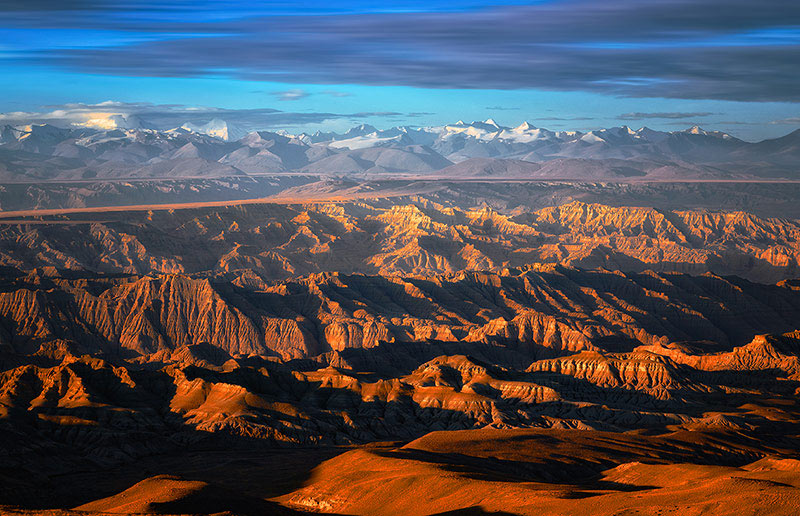 Zanda Earth Forest
Guge Kingdom: The Guge Kingdom, located near Zanda, is an ancient Tibetan kingdom that thrived over a thousand years ago. Today, the ruins of its temples, palaces, and caves offer a glimpse into its once-glorious past, with intricate murals and artifacts reflecting its rich cultural heritage. The kingdom's remote location and mysterious ruins make it a fascinating destination for history enthusiasts.
Tholing Monastery: Tholing Monastery, one of the oldest and most significant monasteries in western Tibet, was founded in the 10th century and was central to the spread of Buddhism in the region. The monastery boasts stunning murals and ancient relics, showcasing a unique blend of Indian and Tibetan artistic styles. Its isolated location adds to its mystical aura, making it a spiritual highlight for visitors to Ngari.
Mount Kailash: Considered the most sacred mountain in the world, Mount Kailash is revered by followers of multiple religions. The stunning views of this iconic peak and the surrounding landscape draw trekkers and pilgrims alike. The spiritual significance of the mountain makes it an essential stop on this journey.
Lake Mansarovar: This sacred lake near Mount Kailash is a destination for both Hindu and Buddhist pilgrims. Its serene beauty offers a moment of reflection and spiritual rejuvenation after the kora around Kailash. The sight of the lake against the backdrop of the Himalayas is truly mesmerizing.
4. Accommodation and Hotels in Darchen, the Base Camp of Kailash
When traveling the northern route of Mount Kailash, accommodation options range from basic guesthouses to more comfortable hotels, depending on your preferences and budget. In Darchen, the starting point for the Mount Kailash trek, the Himalaya Kailash Hotel is the best option available. This 4-star hotel offers a relatively luxurious stay, with spacious Tibetan-style rooms, indoor bathrooms, heating, and additional amenities such as Chinese and Western buffet restaurants, a café, and a sauna. However, you should book in advance, especially during peak pilgrimage season (April to October), as rooms are in high demand.
 Himalaya Kailash Hotel
Other accommodations in Darchen include more budget-friendly options such as Gaer Shuangfu Business Hotel and Ali Jinyanan Hotel, which provide clean and basic lodging but without the level of comfort found in higher-end options. Along the trekking route itself, guesthouses at Drirapuk Monastery and Zutulpuk Monastery offer simple dormitory-style accommodations, shared by several people, with no access to showers or private bathrooms. These options are suitable for those seeking to immerse themselves fully in the pilgrimage experience.
5. Visas and Permits for Lhasa to Kailash Tour via Ngari Northern Route
Traveling to Ngari requires several essential documents. Here's what you need:
Foreign Travelers: Passport, Chinese Visa, Tibet Travel Permit, Aliens' Travel Permit, and Military Area Entry Permit.
Taiwanese Compatriots: Taiwan Compatriot Card, Tibet Travel Permit, Military Area Entry Permit, and Border Permit.
Hong Kong/Macao Residents: Home Return Permit and Border Permit.
All the Tibet Permits can be only obtained via a licensed travel agency like Tibet Horizon. We typically handle these permits as part of Tibet tour packages. Ensure you have all the necessary documents before your trip, as they will be checked at the airport and during your stay in Tibet.
6. Best Time to Travel from Lhasa to Kailash via Ngari Northern Route
The best time to travel the Ngari Northern Route is from April to October, offering visitors a range of experiences depending on the month they choose. During this period, the weather is more stable, and road conditions are optimal for travel.
April to June is an excellent window for those seeking clear skies and relatively mild temperatures. This period, especially in May, provides perfect conditions for photography, as the landscapes are vibrant, and snow-capped mountains create dramatic backdrops. If you're lucky, you may even catch early spring flowers blooming in the highlands, adding pops of color to the arid scenery. You'll likely encounter fewer tourists compared to the later months, making it a peaceful and immersive experience. Wildlife enthusiasts may also spot rare Tibetan species like the black-necked crane during this time.
From July to September, the temperatures rise, attracting more visitors to this iconic route. However, this is also the monsoon season, bringing occasional rain that can make certain parts of the journey challenging. Despite the risk of rain, the warmer weather is ideal for those who prefer milder conditions, making long treks more comfortable. During these months, festivals and cultural celebrations often take place, giving travelers a unique opportunity to engage with Tibetan culture. For example, the Saga Dawa Festival in June is an important religious celebration around Mount Kailash that draws many pilgrims.
By September and October, the shoulder season begins, offering another excellent opportunity to travel. The monsoon has passed, and the weather remains pleasant, while the tourist crowds start to thin out. Visiting during this time can provide a more serene experience, allowing for reflective moments while walking around sacred sites like Mount Kailash and Lake Mansarovar.
Ultimately, traveling between April and October allows you to enjoy the full beauty along the Ngari Northern Route, but each season brings its unique experiences. Whether it's the solitude of early spring or the cultural vibrancy of summer, these moments will leave you with lasting memories of Tibet's vast and spiritual landscapes.
7. Final Travel Tips and Packing Advice for Ngari Kailash Tour
For the final travel tips and packing advice when traveling the Ngari Northern Route to Kailash, a well-prepared packing list and awareness of the unique conditions will ensure a smooth journey through this remote and sacred region.
Packing Essentials: Ngari's high-altitude climate demands careful preparation. Layered clothing is vital for adjusting to fluctuating temperatures' pack warm thermal layers, windproof jackets, and waterproof gear. The intense sunlight at high altitudes makes sun protection a priority, so bring a high-SPF sunscreen, sunglasses, and a wide-brimmed hat. Don't forget lip balm and moisturizer to combat the dry air. Make sure to carry cash, as many rural areas do not accept credit cards.
Health Considerations: Acclimatization is key when trekking in high-altitude regions like Ngari. Spend the first few days gradually ascending to avoid altitude sickness. Carry portable oxygen for emergencies, and stay well-hydrated. It's recommended to pack a small first-aid kit, including medication for altitude sickness, pain relievers, and basic wound care supplies. Ensure you have snacks like nuts or energy bars for long stretches between settlements.
Safety and Cultural Awareness: Always travel with an experienced guide who is familiar with the local terrain and culture. In remote areas like Mount Kailash and Lake Mansarovar, it's essential to respect local customs, especially when visiting religious sites. Maintain a respectful demeanor, and follow Tibetan etiquette, such as walking clockwise around sacred monuments and avoiding pointing your feet toward religious items or people. Additionally, it's important to have comprehensive travel insurance that includes coverage for high-altitude trekking and medical evacuations, as healthcare facilities in the area are limited.
 Sunset at Mount Kailash
Conclusion
The Ngari Northern Route from Lhasa to Mount Kailash is more than just a scenic journey—it's a deeply spiritual and culturally rich adventure. Spanning 7 to 10 days, the route reveals some of Tibet's most awe-inspiring landscapes, including sacred sites like Lake Mansarovar and the remote Guge Kingdom. Travelers can experience Tibetan culture up close, with visits to ancient monasteries and breathtaking natural wonders. Though the road can be challenging, the trip rewards with stunning vistas and profound moments of solitude. With careful planning for permits and accommodations, this expedition offers an unforgettable encounter with Tibet's spiritual and geographical heart.
22 years exp.| 5.0
 | Reviews
Tell me about your travel plan or contact me via inquiry@tibettourism.com
Tibet Kailash Travel Guide and Advice


Most Popular Tibet Kailash Tour Packages
-
![Lhasa to Everest Kailash and Mansarovar Small Group Tour]() Small Group Tour
Small Group Tour15 Days Tibet Mount Kailash and Lake Mansarovar Small Group Tour
Promo: Western Tibet tour around Mount Kailash
Dates & Price
![rili]()
![xiala]()
-
![Lhasa Everest Kailash Mansarovar Guge Kingdom Full Moon Small Group Tour]() Small Group Tour
Small Group Tour17 Days Lhasa Everest Kailash Mansarovar Guge Kingdom Full Moon Small Group Tour
Promo: Explore western Tibetan spirituality and culture around the sacred Mount Kailash
Dates & Price
![rili]()
![xiala]()


Please share your contact information, so we can send you the answer directly by email.

