
 inquiry@tibettourism.com


.webp)


Nepal to Kailash Road Travel: How to Plan a Kailash Overland Tour from Nepal


.webp) Content
ContentInstead of flying from Kathmandu to Mt. Gang Rinpoche via Lhasa, driving from Kathmandu to Kailash Manasarovar via Gyirong is another excellent way to embark on the Himalayan adventure to the ancient culture and breathtaking scenery. So, how do you plan a Kailash Overland tour? Here we will introduce you to the overland route from Nepal to Kailash, highlights along the way, travel documents, and other key information to help you plan your journey easily.
Figure out Nepal to Kailash Distance by Road: 820 km
Located in Ngari of northwest Tibet, Mount Kailash stands at 6,638 meters. It's considered the world's most holy mountain, drawing pilgrims from around the globe for its profound cultural and religious significance. The distance from Kathmandu, the capital of Nepal, to the Chinese border county of Gyirong is approximately 120 kilometers, and from Gyirong town to Mount Kailash is about 700 kilometers. Therefore, the total distance from Kathmandu to Mount Kailash is about 820 kilometers.
 Kailash Mansarovar New Route Map from Kathmandu via Gyirong
Navigate Nepal Gyirong Kailash Road Travel Route and Highlights
The road to Kailash from Kathmandu is as much a part of the experience as the destination itself. Here's how you can make your way from Nepal to the holy Mount Kailash.
Kathmandu to Gyirong Port (120 km)
Leaving Kathmandu, you can opt for a local bus that will take you on a roughly six-hour ride for about $11. Or, if you book your trip with Tibet Horizon, we can arrange a private vehicle for you. Once you've passed through Gyirong Port, our guide and driver will escort you to your hotel in Gyirong Valley.
 Gyirong Port
Gyirong Port, with an elevation of 2,800 meters, is the only international gateway for tourists traveling between Nepal and Tibet. You can spend a day exploring the raw beauty of Gyirong and acclimate to the altitude. Here, you’ll find Paba Monastery, an ancient monastery where you can see the Sambu statue brought by the Chizun Princess when she married Srongtsen Gampo. Additionally, Jipu Village is also a popular tourist spot where you can see the majestic Jifu Canyon and Jifu Bridge connecting the village with the outside world.
Gyirong to Mount Kailash (700 km)
After that, the road trip continues to Saga Town, a key stop before your Kailash adventure. Here, you can recharge with a good meal at one of the local restaurants and get some rest. From Saga, you'll have a long drive ahead to Lake Manasarovar. Along the drive, you will appreciate stunning landscapes as follows:
-Mount Shishapangma, the 14th highest peak in the world, stands at 8,012 meters, offering a formidable challenge to climbers and a breathtaking spectacle to all who gaze upon it.
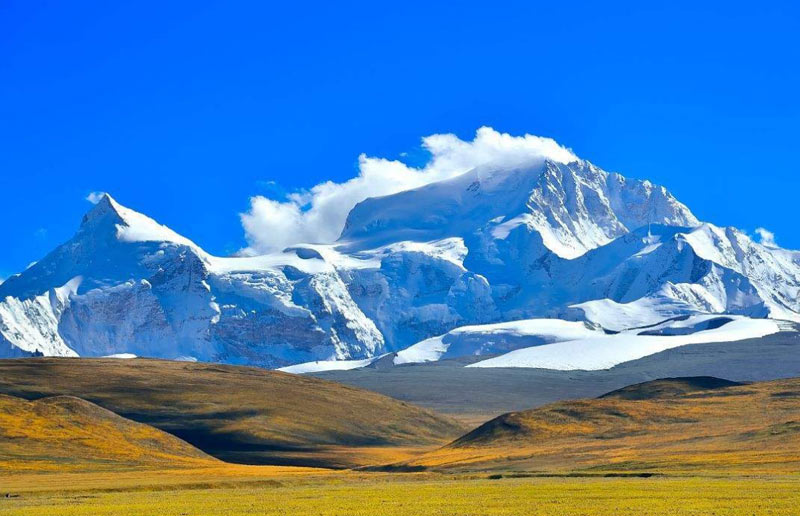 Mount Shishapangma
-Pelkhu Tso Lake, at an elevation of 4,590 meters, is a pristine and picturesque lake situated in the Shigatse area of Tibet. It spans over 300 square kilometers and is renowned for its clear blue waters and the surrounding mountain scenery, including the reflection of Mount Shishapangma.
Moving on, the serene holy lake comes into sight.
-Lake Manasarovar, known as one of the world's highest freshwater lakes, is nestled at an altitude of 4,590 meters in the Ngari Prefecture of Tibet, near the southern foot of Mount Kailash. Famous for its crystal-clear, glimmering blue waters and spiritual significance to many religious believers, it is said to wash away one's sins.
 Mount Kailash and Lake Manasarovar
The view of the Manasarovar Lake, together with Mt. Kailash at a distance, is awe-inspiring. By the peaceful and tranquil lakeside, you can find inner peace through meditation, letting its calm water purity your mind. You can also soak in hot springs or take a foot bath, which is a great way for you to relax after a long journey.
After staying overnight near Lake Manasarovar, you’ll head to Darchen and prepare for the Kailash Kora.
-Mount Kailash, regarded as the holy mountain, holds immense spiritual significance for four major religions: Hinduism, Buddhism, Jainism, and Bon. Its imposing presence and spiritual aura make it a must-visit destination. Whether you're a pilgrim seeking spiritual enlightenment or an adventurer in search of a unique experience, Mount Kailash will leave you with a lasting impression.
-Kailash Kora, the act of circumambulating Mount Gang Rinpoche, is a sacred pilgrimage that many undertake, believing it brings good fortune and spiritual merit. This journey around the mountain, which spans approximately 54 kilometers, is traditionally done on foot and takes about 3 or 4 days to complete. It is a spiritual odyssey that connects one with nature and the divine, especially for those seeking spiritual connection and enlightenment.
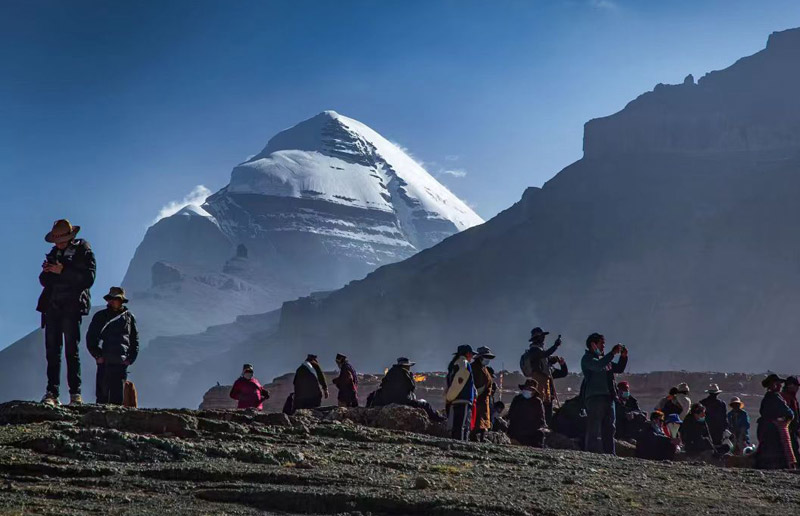 Mount Kailash Kora
Notice: During your 4-day Kailash trek, you have the chance to stay at two of the five monasteries close to Mount Kailash. But be aware that these monasteries can get quite crowded during the peak season, so booking 10-day Kathmandu to Mount Kailash Pilgrimage Tour earlier is a smart choice.
Prepare Visa and Permits for Nepal to Kailash Overland Tour
Chinese Group Visa
The Chinese Group Visa ensures that you can legally cross the border from Nepal to Tibet and begin your journey to Mount Kailash. This visa can only be obtained through the Chinese Embassy in Kathmandu. Fortunately, with a local office in Kathmandu, we are ready to guide you through the application process for your Chinese Group Visa.
Tibet Travel Permit
The Tibet Travel Permit is an essential document for foreign tourists traveling to the Tibet Autonomous Region. This permit is issued by the local tourism authorities and serves as your gateway to the enchanting landscapes and destinations of Tibet. It provides information about your travel itinerary, including the places you plan to visit and the duration of your stay. Make sure to apply for this permit in advance through a reliable travel agency like Tibet Horizon.
Aliens’ Travel Permit
The Aliens’ Travel Permit provides permission to move around specific regions within Tibet and is essential for your journey to Mount Kailash. It can be arranged by a licensed travel agency like Tibet Horizon by submitting the necessary documents, including the destinations, travel dates, and your personal information.
Military Area Entry Permit and Foreign Affairs Permit
When passing through military areas or regions with special diplomatic considerations, the Military Area Entry Permit and Foreign Affairs Permit are required. Obtaining these permits can be a complex process, so it’s advisable to work with a professional travel agency. We have experience in handling these permits for more than 8 years and are glad to guide you through the application process.
Choose Best Month to Travel from Nepal to Kailash by Road
In fact, you can only trek Mt. Kailash from May to October of a year due to the harsh weather. The optimal months for a Kailash trek are May, June, September, and October. During these times, you can witness the azure skies and enjoy crisp air, with average temperatures hovering around 8 to 9 degrees Celsius. July and August, which are part of the monsoon season, account for a great portion of the annual precipitation. But persistent heavy rain is not common in this region. It is advisable to check the weather forecast for the upcoming week before your arrival.
The most fortunate time to go on a trip to Mt. Kailash is during the Year of the Horse in the Chinese zodiac. The local Tibetans believe that making a pilgrimage around Mt. Kailash in the Year of the Horse multiplies the blessings you receive 13 times, and it's said that any wishes you make are more likely to come true.
The Saga Dawa Festival, which usually takes place around the 15th day of April on the Tibetan calendar, is also an auspicious time. Saga Dawa is a significant day as it marks the birth, enlightenment, and nirvana of Buddha Sakyamuni. On this day, Tibetans get together trekking around Mt. Kailash. Joining our 16-Day Lhasa Everest Kailash Manasarovar Saga Dawa Festival Tour will be an unforgettable experience for you.
Find Hotels to Stay in Nepal to Kailash Overland Tour
Hotels and accommodation are crucial in ensuring a comfortable Kailash road travel from Nepal. Here's a brief introduction to the hotels you can expect in Gyirong and Darchen.
Hotels in Gyirong
The town boasts one four-star hotel and three three-star hotels catering to different budgets and preferences.
Four-Star Hotel in Gyirong: Qomolangzong Hotel is an ideal choice for those seeking a more upscale experience. With its high-quality service and amenities like air conditioners, microwave, mini bar, and free soft drink, it ensures a restful stay before the challenging trek ahead.
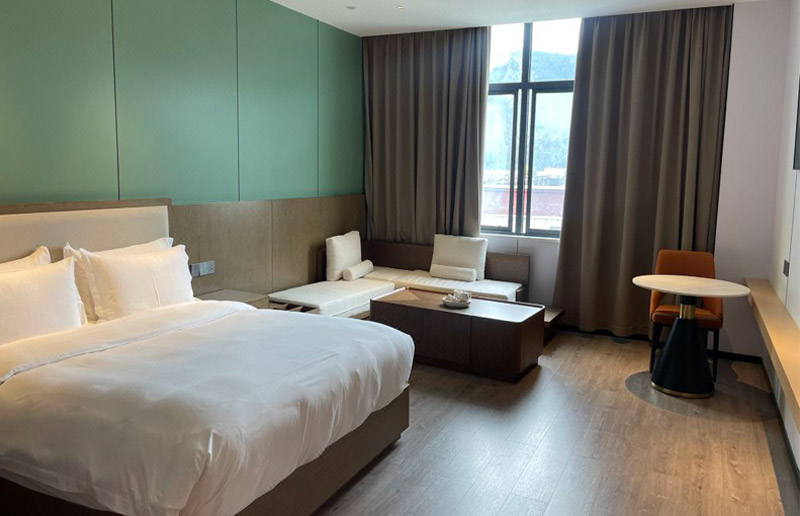 Qomolangzong Hotel is the only 4-star hotel in Gyirong.
Three-Star Hotels in Gyirong: These hotels provide good infrastructure and beautiful views at a more budget-friendly rate. They are well-equipped to offer a pleasant environment to rest and prepare for the journey.
Hotels in Darchen
Darchen serves as the base camp for the Mount Kailash trek, and thus, offers a variety of accommodation options to suit different needs.
The Himalayan Kailash Hotel: This is the premier choice in Darchen, a 4-star hotel with 114 rooms. It is known for its beautiful surrounding environment and Tibetan-style architecture. The hotel's restaurant offers a special flavorful breakfast, allowing you to experience authentic Tibetan cuisine.
 Himalayan Kailash Hotel
Purang Kailash Castle Hotel: This hotel stands out for its oxygen-enriched rooms, which are beneficial for you to alleviate the effects of altitude sickness. It offers a variety of room types, including loft view rooms and Goddess Peak view rooms, ensuring a comfortable stay.
Other Options: There are also other hotels like Jingruihonghao Hotel and Kailash View Hotel, offering decent infrastructure at a more affordable rate.
Enjoy Local Foods in Kailash Overland Tour from Nepal
When traveling from Nepal to Kailash by road, experiencing local cuisine is a worth expecting part of the journey. Here's an introduction to the local foods you can enjoy.
Local Foods in Nepal
Nepalese cuisine is diverse and flavorful, with influences from its neighbors, India and Tibet. Some of the local foods to enjoy in Nepal include:
Dal Bhat: As a national dish of Nepal, Dal Bhat consists of lentil soup (dal) served over rice (bhat), often accompanied by vegetables or meat curries. It's a filling and nutritious meal.
Momos: These are steamed or fried dumplings filled with meat or vegetables, similar to Chinese dumplings but with a unique Nepalese flavor. They are often served with a spicy dipping sauce.
Sel Roti: The preparation of this traditional food involves making a rice batter using rice flour, sugar, ghee, and water, and pouring the batter into hot oil in a circular motion. Sel Roti is soft, sweet, crispy, and fluffy and served with tea, or with vegetables or pickles.
Pani Puri: It is a pocket made of fried wheat batter filled with onions, mashed potatoes, and chickpeas. This is a famous street food in Nepal.
Local Foods in Kailash
As you travel towards Mount Kailash, the local cuisine becomes more influenced by Tibetan traditions. Here are some foods you might encounter:
Tsampa: A staple in Tibetan cuisine, tsampa is roasted barley flour that is often mixed with butter tea to form a dough. It's a high-energy food that is easy to carry on long treks.
Yak Meat: Yak is a common source of meat in the region, often used in stews or grilled dishes. It's a good source of protein for trekkers.
Butter Tea: A traditional Tibetan drink made from tea leaves, yak butter, and salt. It's a comforting and warming beverage, especially at high altitudes.
Sweet Tea: It’s a typical Tibetan flavor beverage that combines black tea with milk and sugar, offering a creamy and sweet taste. It's a cultural staple and a sign of hospitality, often enjoyed in social settings.
Noodle Dishes: Simple noodle dishes like thukpa are also popular in the Kailash region, providing a warm and filling meal.
Pack for Kailash Overland Tour from Nepal
When you plan a Nepal Kailash overland tour, packing the right stuff is important. Here are some must-haves for your bag:
Clothing: It’s advisable to bring thermal clothes for warmth during the colder evenings, sunglasses and a sun hat for sun protection, a wind/waterproof light jacket for unpredictable weather conditions, durable shoes for hiking around Mount Kailash, and of course, socks and underwear for daily use.
Emergency Kit: Just in case, it's smart to pack some medicines for altitude sickness, including painkillers, medicines for colds and carsickness, multivitamins, etc. Besides, bandages and disinfectant cream are also important especially when you’re in remote places.
Food and Drink Supplies: Bring along some non-perishable snacks and energy bars to replenish your strength, and a refillable water bottle to keep yourself hydrated throughout your trip.
Travel Charger and Portable Battery: As charging options may be limited, packing a travel charger and a portable battery is important to ensure your gadgets and devices stay powered up.
Conclusion
Planning a Kailash overland tour from Nepal is an undertaking that requires careful consideration, but the rewards are immeasurable. With this guide as your compass, you're one step closer to embarking on the Nepal to Kailash journey that immerses you in stunning scenery and diverse cultures. Contact us to start your journey towards spiritual enlightenment.
22 years exp.| 5.0
 | Reviews
Tell me about your travel plan or contact me via inquiry@tibettourism.com
Tibet Kailash Travel Guide and Advice


Most Popular Tibet Kailash Tour Packages
-
![Lhasa to Everest Kailash and Mansarovar Small Group Tour]() Small Group Tour
Small Group Tour15 Days Tibet Mount Kailash and Lake Mansarovar Small Group Tour
Promo: Western Tibet tour around Mount Kailash
Dates & Price
![rili]()
![xiala]()
-
![Lhasa Everest Kailash Mansarovar Guge Kingdom Full Moon Small Group Tour]() Small Group Tour
Small Group Tour17 Days Lhasa Everest Kailash Mansarovar Guge Kingdom Full Moon Small Group Tour
Promo: Explore western Tibetan spirituality and culture around the sacred Mount Kailash
Dates & Price
![rili]()
![xiala]()


Please share your contact information, so we can send you the answer directly by email.

