
 inquiry@tibettourism.com






How Many Base Camps Are on Everest? Nepal & Tibet Explained


 Content
Mount Everest, known as Sagarmatha in Nepali and Qomolangma in Tibetan, is the world's highest mountain. It has two main base camps: the North Base Camp in Tibet and the South Base Camp in Nepal. They differ in location, altitude, accessibility, and travel experience. Understanding these differences will help you choose the best Everest Base Camp tour for your trip.
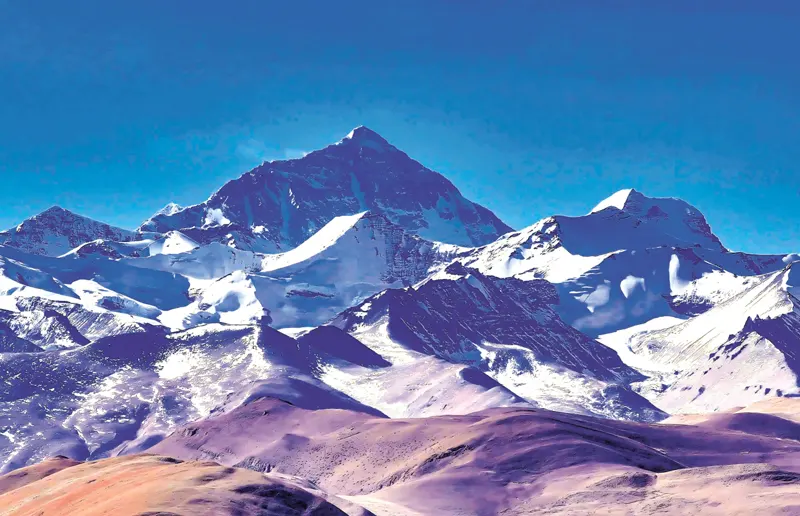 Mount Everest
How Many Base Camps Are on Mount Everest?
Mount Everest has two main base camps: the South Base Camp in Nepal and the North Base Camp in Tibet, China. Both provide access to Everest, but they differ in location, altitude, and how travelers reach them. Beyond these two main camps, professional mountaineers also use advanced base camps and higher-altitude camps during summit expeditions.
| Feature | South Base Camp (Nepal) | North Base Camp (Tibet) |
|---|---|---|
| Location | Khumbu Region, Nepal | Tingri County, Tibet, China |
| Side of Everest | South | North |
| Elevation | About 5,364 m (17,598 ft) | About 5,150–5,200 m (16,900–17,060 ft) |
| How to Reach | Multi-day trek from Lukla | Overland journey from Lhasa |
| Main Highlight | Khumbu Glacier and surrounding Himalayan peaks | Direct views of Everest's North Face |
Everest North Base Camp in Tibet, China
1) Location & Elevation of North Everest Base Camp
Location: Tingri County, Shigatse City, Tibet Autonomous Region, China.
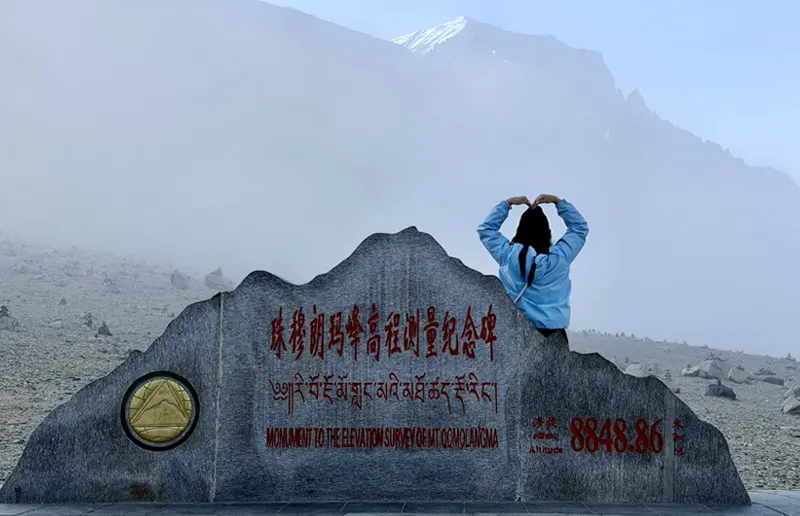
Elevation: 5,200 meters (16,900 feet) above sea level.
Key Landmark: Situated adjacent to Rongbuk Monastery, the highest Buddhist monastery in the world.
2) Views and Experience at Everest North Base Camp
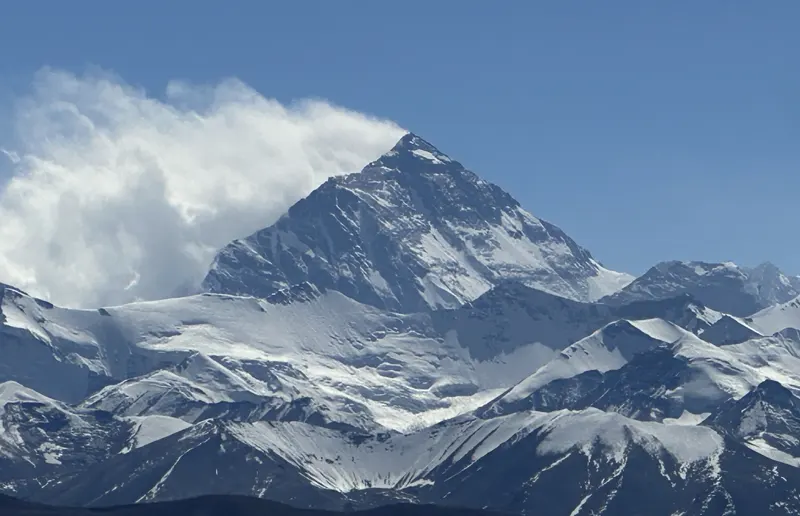
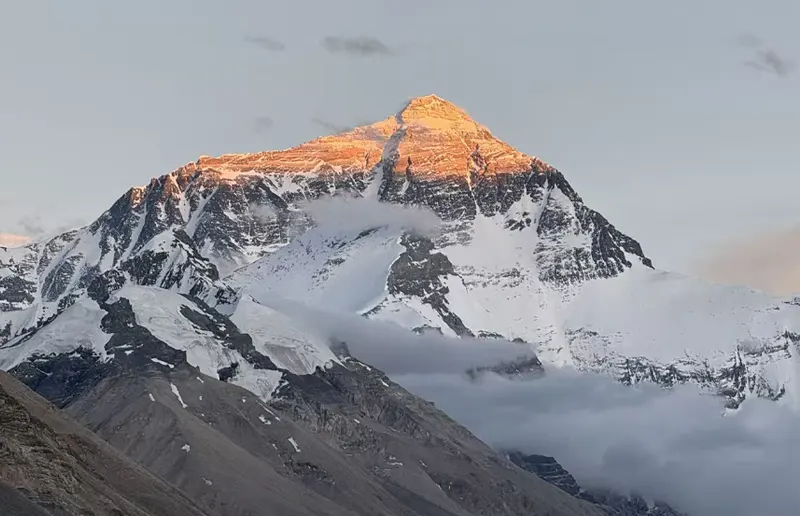
The North Base Camp area offers direct views of Mount Everest's impressive North Face. On clear days, you can admire its pyramid-shaped summit from near Rongbuk Monastery. The vast plateau and dramatic Himalayan scenery make this destination popular with photographers and mountain enthusiasts.
3) How to Get to North Everest Base Camp
Most travelers reach Everest Base Camp from Lhasa by road along the G318 National Highway, also known as the Friendship Highway. The journey passes through traditional Tibetan towns, high mountain passes, and vast plateau scenery. Unlike the Nepal route, this overland journey does not require a multi-day trek.
For adventure lovers, trekking from Old Tingri to Everest Base Camp is an alternative. This route offers a more immersive experience of the Himalayan landscape and requires good physical fitness and proper preparation for high-altitude conditions.
4) Accommodation Near North Everest Base Camp
Accommodation options near Everest North Base Camp include EBC guesthouse and Rongbuk hotel. Guesthouses offer a simple local experience, while nearby hotels provide more comfort. Facilities can be basic at this altitude, so you should prepare for cold temperatures and limited amenities.
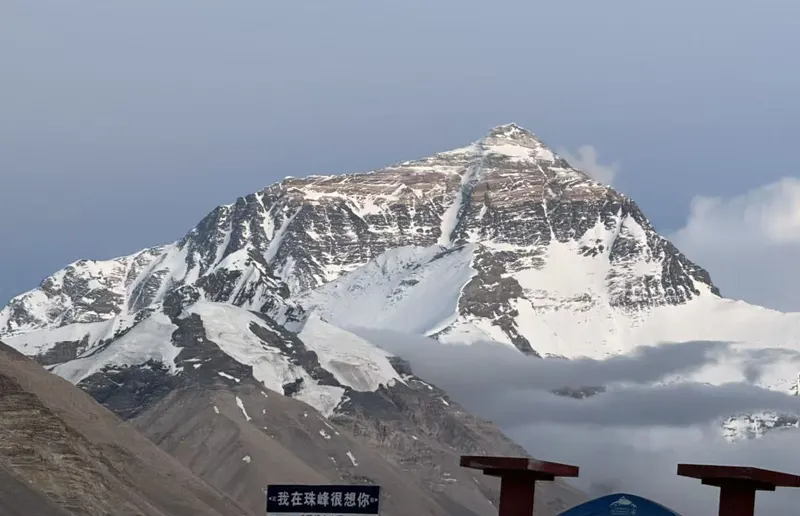 North Everest Base Camp
Everest South Base Camp in Nepal
1) Location and Elevation of South Everest Base Camp
Location: Khumbu Region, Sagarmatha National Park, Solukhumbu District, Eastern Nepal.
Elevation: 5,364 meters (17,598 feet) above sea level.
Terrain: Rugged alpine valley transitioning into glaciated moraine terrain.
2) Views and Experience at Everest South Base Camp
Located beside the Khumbu Glacier, South Everest Base Camp offers a close-up view of the Khumbu Icefall and surrounding Himalayan peaks. However, Mount Everest's summit is partly obscured by Mount Nuptse from the camp itself. Many trekkers visit nearby viewpoints, such as Kala Patthar, for a clearer panoramic view of Everest's summit.
3) How to Get to South Everest Base Camp
Most trekkers take a flight from Kathmandu to Lukla and then follow a multi-day trail to Everest South Base Camp. The round-trip trek typically takes 8–12 days, depending on the itinerary and acclimatization schedule.
Along the way, trekkers pass through Sherpa villages such as Namche Bazaar and visit Tengboche Monastery. The route offers mountain views, suspension bridges, and opportunities to experience local Himalayan culture.
4) Accommodation and Sherpa Teahouse Culture
Along the trekking route, you stay in local teahouses offering simple rooms and warm meals. These stops also provide opportunities to experience Sherpa culture and visit local monasteries. Accommodation at the base camp itself is primarily used by climbing expeditions, so ordinary trekkers generally stay in teahouses along the trail.
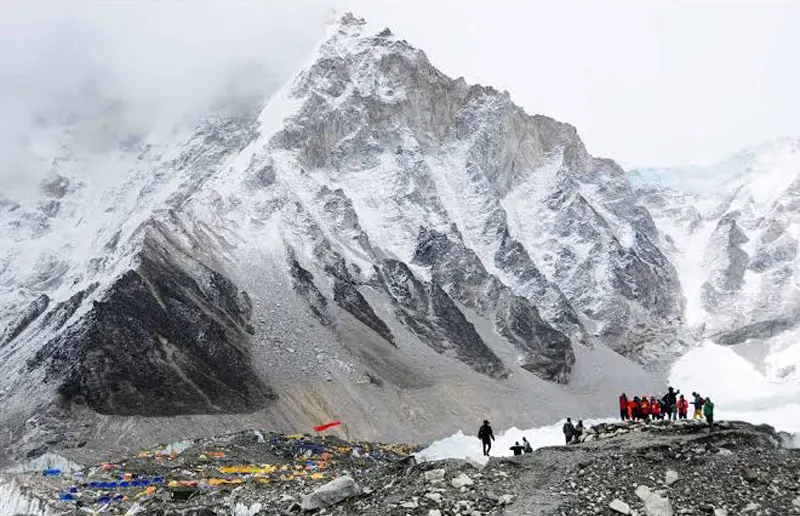 South Everest Base Camp
How Many Climbing Camps Are on Everest?
The two main base camps are not the only camps on Mount Everest. Climbers approaching from the north and south sides use a series of higher-altitude camps along their routes.
Six Camps on Everest's Northern Climbing Route (Tibet)
The northern climbing route to Mount Everest starts from the North Base Camp in Tibet and continues toward the summit through several higher camps. Each camp provides a place for climbers to rest, acclimatize, and prepare for the next stage of the ascent. However, the exact camp names, locations, and arrangements may vary by expedition and route conditions.
Base Camp: Located near 5,200 m (16,900 ft), it serves as the main staging area for climbing expeditions.
Intermediate Camp: At around 5,800 meters, Intermediate Camp is the first stop after Base Camp, reached via a 4
km climb that takes 6–7 hours.
Advanced Base Camp (ABC): At approximately 6,400 m (21,000 ft), it supports acclimatization and preparations for
higher climbs.
Camp I: Located at around 7,000 m (22,966 ft), it marks the next stage of the ascent above ABC.
Camp II: Situated at approximately 7,500 m (24,606 ft), it provides a temporary resting point in the upper
climbing zone.
Camp III: Located at roughly 8,300 m (27,231 ft), it serves as a high-altitude staging point before climbers
continue toward the summit.
Notice: These higher camps are used for technical mountaineering, not ordinary sightseeing. Most visitors to Tibet’s North Base Camp do not venture beyond the base camp to reach them.
Five Camps on Everest's Southern Climbing Route (Nepal)
The southern climbing route begins at the South Base Camp in Nepal and continues through four higher camps toward the summit. Each camp serves as a staging point for acclimatization and the next stage of the ascent.
Base Camp: At approximately 5,364 m (17,598 ft), it serves as the main hub for climbers and expedition teams.
Camp I: Located at around 6,065 m (19,900 ft), it lies beyond the Khumbu Icefall.
Camp II: At approximately 6,400 m (21,000 ft), it sits in the Western Cwm and serves as an important
acclimatization and supply point.
Camp III: Located at roughly 7,200 m (23,622 ft), it lies on the steep Lhotse Face.
Camp IV: At approximately 7,900 m (25,919 ft), it sits on the South Col and serves as the final major staging
point before the summit push.
Everest North Base Camp vs. South Base Camp
The North and South Base Camps offer different travel experiences in terms of accessibility, scenery, and overall cost. Compare their travel requirements, best visiting seasons, and key features to choose the route that best suits your needs.
1) Accessibility and Fitness Level
Nepal: Reaching the South Base Camp usually requires an 8–12-day round-trip trek from Lukla. The route involves steep trails and significant elevation gains, so good fitness and proper acclimatization are essential.
Tibet: You can reach the North Base Camp visitor area by road from Lhasa without a multi-day trek. However, the journey crosses high-altitude terrain, so gradual acclimatization remains important.
2) Mountain Views and Scenery
Nepal: The South Base Camp offers views of the Khumbu Glacier, Khumbu Icefall, and surrounding Himalayan peaks. For a clearer view of Everest's summit, many trekkers visit Kala Patthar.
Tibet: The North Base Camp visitor area offers direct views of Everest's North Face and its pyramid-shaped summit on clear days. It is particularly appealing to travelers seeking mountain scenery without a demanding multi-day trek.
3) Visas, Permits, and Travel Requirements
Nepal: Most foreign visitors need a Nepal Tourist Visa, which may be obtained on arrival if eligible. You also need the applicable trekking permits, including the Sagarmatha National Park Entry Permit. Additional local requirements may apply depending on the route and current regulations.
Tibet: Foreign travelers generally need a valid Chinese Visa or must qualify for an applicable visa-free policy. You also need a Tibet Travel Permit and must travel with a licensed travel agency and guide. Travel arrangements should be confirmed with the agency before departure.
4) Best Time to Visit Everest Base Camp
Spring and autumn are popular seasons for visiting both sides of Mount Everest, but weather conditions vary.
Spring (March–May): Warmer temperatures and improving weather make this a popular season for trekking in Nepal and visiting Everest North Base Camp in Tibet. Late spring is especially important for climbers attempting to summit Everest.
Autumn (September–November): Clear skies and generally stable weather offer excellent trekking and sightseeing opportunities. October is a popular month for both routes.
In Nepal, spring and autumn are ideal for multi-day trekking. In Tibet, these seasons offer favorable conditions for scenic overland travel and mountain photography. Temperatures can still drop sharply at high elevations, especially at night.
5) Cost and Budget: Nepal vs. Tibet Everest Base Camp
The total cost of an Everest Base Camp trip depends on the season, trip duration, accommodation, transportation, and level of service.
Nepal: The South Everest Base Camp trek can be arranged independently where permitted or through a guided trekking package. Costs typically include flights to Lukla, accommodation, meals, permits, guides, and porters. Independent arrangements may offer flexibility, while guided packages provide more support and simplify logistics.
Tibet: Visiting North Everest Base Camp usually involves an organized tour. The price generally covers a private or group vehicle, accommodation, a guide, required permits, and the planned itinerary. Private tours offer greater flexibility but usually cost more per person than small-group tours.
Compare the total trip cost and check whether transportation, accommodation, meals, permits, and guide services are included.
Which Everest Base Camp Should You Choose?
Choosing between Everest Base Camp in Nepal and Tibet depends on your interests, fitness level, and travel style. Both offer unforgettable views of Mount Everest, but the experiences are very different.
Choose Nepal South Base Camp if you want to:
Enjoy a multi-day Himalayan trekking adventure.
Experience Sherpa culture, traditional villages, and local teahouses.
Explore mountain trails and glacial landscapes on foot.
Choose Tibet North Base Camp if you want to:
Enjoy direct views of Everest's North Face.
Visit the North Base Camp visitor area by road rather than undertaking a multi-day trek.
Combine your Everest visit with cultural attractions in Lhasa.
Both destinations involve high altitude and require careful planning. The best choice depends on your preferred travel style, physical fitness, budget, and the time you have available.
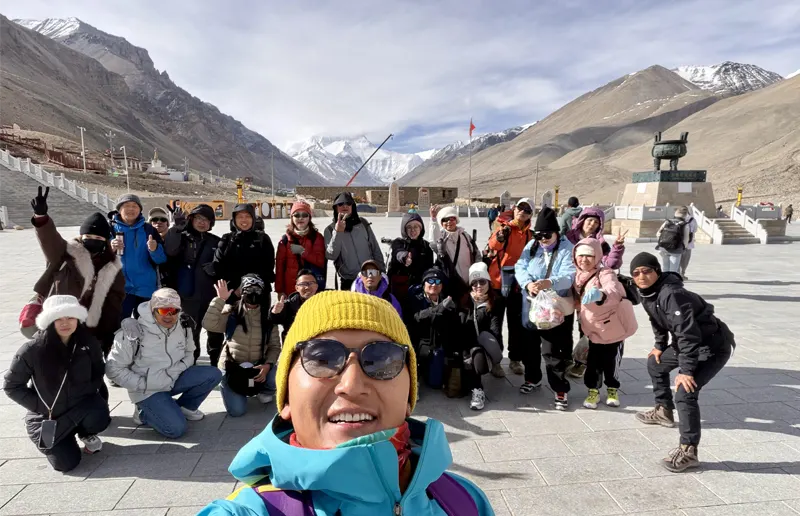 Tibet North Base Camp Tour
FAQs about Everest Base Camp in Tibet & Nepal
1) Can I visit both Everest Base Camps on the same trip?
No, you need to plan separate travel arrangements for Nepal and Tibet. You must meet the visa and permit
requirements for each destination. Allow enough time for international travel, border procedures, and
acclimatization.
2) Is altitude sickness worse on the Tibet or Nepal side?
Altitude sickness can affect you on both sides of Mount Everest. Tibet's North Base Camp is about 5,200 meters,
while Nepal's South Base Camp is about 5,364 meters. The risk depends on your ascent rate, acclimatization, and
individual health, not just elevation. Spend enough time adjusting to the altitude and seek medical help if
symptoms worsen.
3) Can I reach Everest Base Camp without trekking?
You can reach the designated North Base Camp in Tibet by road, subject to current access rules. In Nepal,
reaching the South Base Camp usually requires a multi-day trek from Lukla.
4) Are the climbing camps open to ordinary tourists?
Higher-altitude camps are used for mountaineering expeditions rather than regular sightseeing. Visiting the North
Base Camp in Tibet does not require joining a climbing expedition.
Conclusion
Mount Everest has two main base camps: the North Base Camp in Tibet and the South Base Camp in Nepal. Nepal offers a classic Himalayan trekking experience, while Tibet provides road access to the North Base Camp and direct views of Everest's North Face. Consider your fitness level, budget, schedule, and travel preferences when choosing the best route for your trip.
2 years exp.| 5.0
 | Reviews
Tell me about your travel plan or contact me via inquiry@tibettourism.com
Tibet Shigatse Travel Guide and Advice

Most Popular Tibet Tour Packages
-
![Lhasa Shigatse Mount Everest Small Group Tour]() Small Group Tour
8 Days Lhasa Shigatse Mount Everest Small Group Tour
Promo: Once-in-a-lifetime chance to face the tallest mountain in the world
Dates & Price
![rili]()
![xiala]()
-
![Lhasa Shigatse Everest Base Camp Namtso Small Group Tour]() Small Group Tour
9 Days Lhasa Shigatse Everest Base Camp Namtso Small Group Tour
Promo: Unveil the profound spirituality and natural beauty that lie within the heart of Tibet.
Dates & Price
![rili]()
![xiala]()
-
![Lhasa to Everest Kailash and Mansarovar Small Group Tour]() Small Group Tour
15 Days Tibet Mount Kailash and Lake Mansarovar Small Group Tour
Promo: Western Tibet tour around Mount Kailash
Dates & Price
![rili]()
![xiala]()




Please share your contact information, so we can send you the answer directly by email.

