
 inquiry@tibettourism.com


.webp)


Tibetan Sweet Tea: Taste, Culture, and Best Teahouses in Lhasa


.webp) Content
ContentTibetan sweet tea is one of the must-try Tibetan drinks and an important part of daily life in Lhasa. More than a simple beverage, it offers a sensory gateway to the city's slow-paced lifestyle. From its distinctive flavor to its deep cultural significance, Tibetan sweet tea provides a fascinating glimpse into Tibetan culture. Sweet tea houses in Lhasa are the best places to experience this beloved drink and connect with local Tibetan life. Continue reading this guide to enjoy a wonderful Tibet culture tour.
 Tibetan Sweet Tea
What Is Tibetan Sweet Tea: Taste, Ingredients, and History
Tibetan sweet tea is called “Cha Ngamo” in Tibetan. It’s a classic Tibetan drink that you shouldn’t miss during your Tibet tour. To understand why it matters, it helps to look at its taste, ingredients, and history. The sweet tea reflects local culture, social traditions, and the relaxed atmosphere of Tibetan teahouses. Let’s dive into what makes this iconic Himalayan brew so special.
1) What is Tibetan Sweet Tea Made of?
Traditional Tibetan sweet tea is made from three simple ingredients: black tea, milk, and sugar. The black tea is brewed for several hours to create a rich base, which is then mixed with milk and sugar. The result is a creamy and refreshing drink that is widely enjoyed throughout Tibet. Today, Tibetan sweet tea remains a staple beverage in homes and teahouses across Lhasa.
2) What Does Tibetan Sweet Tea Taste Like?
Think of Tibetan sweet tea as the Himalayan cousin to Indian Masala Chai or Hong Kong’s silk-stocking milk tea, but with a unique, rustic simplicity. Tibetan sweet tea has a smooth, creamy, and slightly sweet taste. The combination of black tea and milk creates a similar milk tea flavor, while the long brewing process gives it a richer aroma. Many travelers find Tibetan sweet tea both comforting and refreshing after exploring Lhasa.
3) The History of Tibetan Sweet Tea
The story of Cha Ngamo is heavily tied to global trade and cultural exchange along the ancient Tea Horse Road. During this era, black tea, sugar, and milk became more widely available in Tibet through trade routes connecting Tibet with India and neighboring regions. Over time, local people adapted these ingredients to create Tibetan sweet tea, which gradually became a popular everyday drink. Today, it is an important part of Tibetan food culture.
Tibetan Sweet Tea Culture in Lhasa
For both locals and tourists, experiencing Tibetan sweet tea culture is one of the best ways to understand the local lifestyle and traditions.
Why Tibetans Drink Tibet Sweet Tea?
Tibetan sweet tea is enjoyed for its comforting taste and social value. Many Tibetans start their day with a cup of sweet tea and continue drinking it throughout the day. This combination provides warmth and energy, especially during cold seasons. More importantly, drinking Tibetan sweet tea is a daily tradition that brings people together and encourages conversation among family members, friends, and neighbors.
The Role of Lhasa Local Sweet Teahouses in Daily Life
Local sweet teahouses are an essential part of life in Lhasa. They serve as community gathering places where people meet, socialize, exchange news, and take a break from their daily routines. Some residents visit their favorite teahouse daily and spend hours chatting over cups of Tibetan sweet tea. It is the epicenter of Lhasa's famous, unhurried lifestyle. For travelers, these traditional teahouses offer a unique opportunity to observe local life, experience Tibetan hospitality, and connect with the authentic culture of Lhasa.
Where to Drink Sweet Tea: The Best Sweet Tea Houses in Lhasa
Lhasa is home to many traditional sweet teahouses where locals gather to relax, socialize, and enjoy Tibetan sweet tea. To experience local Tibetan culture, the following sweet tea houses are an absolute must-visit.
1) Guang Ming Gang Qiong Sweet Teahouse
Guang Ming Gang Qiong Sweet Teahouse is the most famous sweet teahouse in Lhasa. It is the ultimate spot for people-watching near the Jokhang Temple. You can enjoy affordable Tibetan sweet tea while experiencing the vibrant atmosphere of traditional Tibetan social life. It is a must-visit destination for anyone interested in Tibetan tea culture.
Tips: With no waiters to greet you at the entrance, you help yourself to a teacup and find a seat.
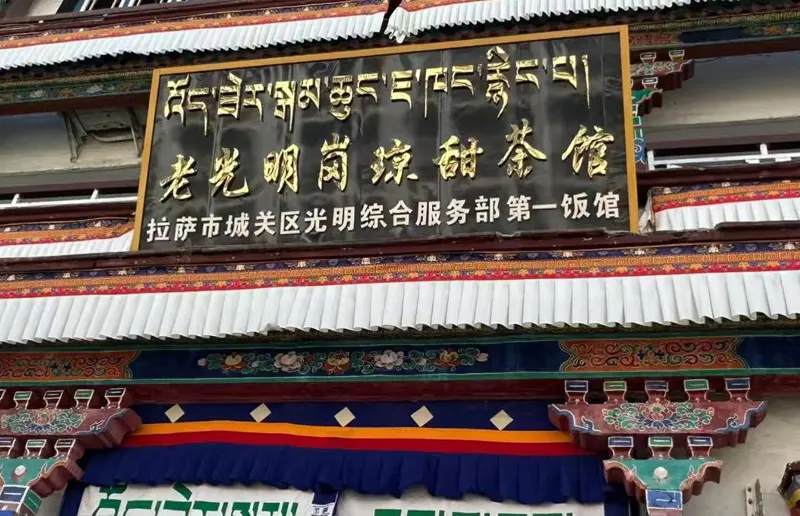 Guang Ming Gang Qiong Sweet Teahouse
2) Tsamkhung Nunnery (Cang Gusi Nunnery)
Unlike the bustling Guang Ming Gang Qiong Sweet Teahouse, Tsamkhung Nunnery is a great choice for someone who prefers peace. Surrounded by a quiet religious setting, it offers a unique opportunity to enjoy Tibetan sweet tea while experiencing Tibetan Buddhist culture.
Tips: No ticket is required if you're only visiting for the sweet tea.
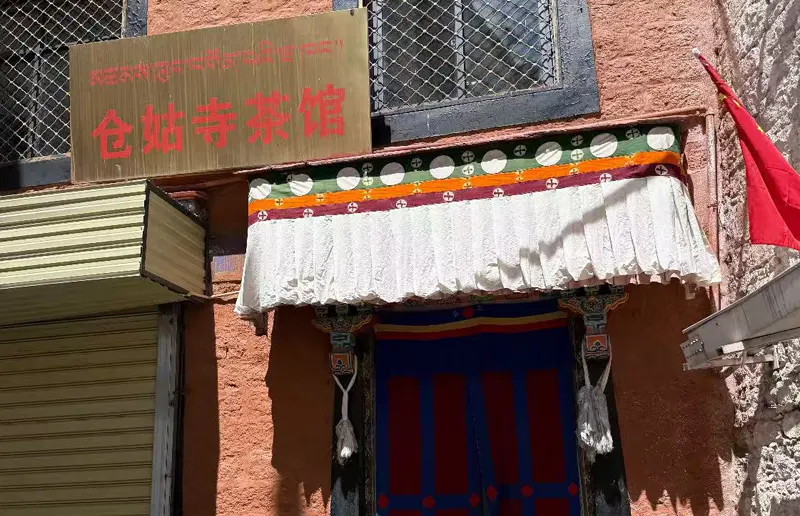 Tsamkhung Nunnery (Cang Gusi Nunnery)
3) Luo Qu Sweet Tea House
Luo Qu Sweet Tea House is a popular neighborhood teahouse favored by residents. It is known for its traditional Tibetan sweet tea and welcoming atmosphere. Less touristy than others, it is the perfect place to chat with locals and enjoy a rich, well-brewed cup of tea.
Tips: The smallest pot of sweet tea costs only 5 RMB.
 Luo Qu Sweet Tea House
4) Shan Dong Sweet Tea House
Located in a cave near the famous Potala Palace, this hidden gem is cool in summer and warm in winter, offering great tea alongside affordable local snacks.
Tips: After visiting the Potala Palace, you can come here to take a short break.
 Shan Dong Sweet Tea House
5) Ni Ma Tea House
Known for its high-quality milk tea and authentic Tibetan chura (cheese crumbs), it provides a genuine taste of daily life in Lhasa. The sweet tea is freshly prepared and served in a relaxed setting. The tea house also serves traditional Tibetan noodles, providing a true taste of Tibetan cuisine.
Tips: Locals usually visit Ni Ma Tea House after lunch or in the late afternoon.
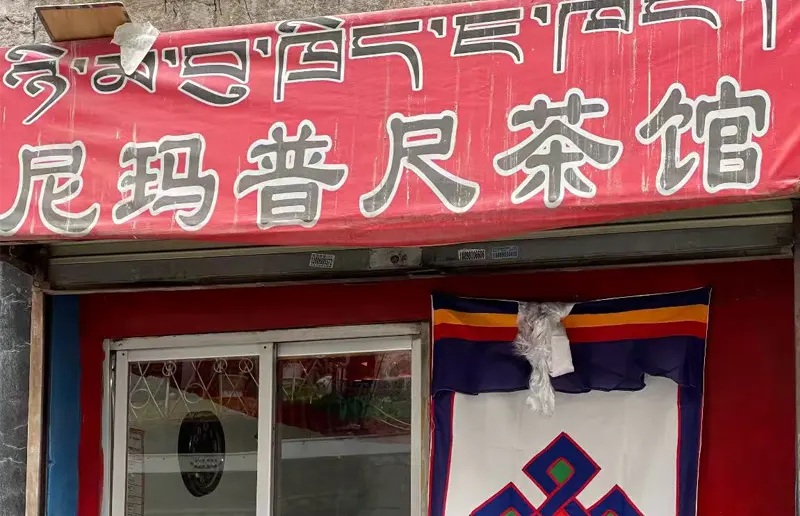 Ni Ma Tea House
Tibetan Sweet Tea vs. Butter Tea: What's the Difference?
While both are staple beverages in Tibet, Sweet Tea and Butter Tea offer completely distinct flavors, ingredients, and cultural experiences. You can refer to the comparison table below.
| Feature | Tibetan Sweet Tea | Tibetan Butter Tea |
|---|---|---|
| Local Name | Cha Ngamo | Po Cha |
| Taste | Sweet, creamy, smooth | Salty, rich, buttery |
| Key Ingredients | Black tea, yak/cow milk, sugar | Pu-erh brick tea, yak butter, salt |
| Popular Location | Lhasa tea house | Homes, monasteries, nomad tents |
| Cultural Role | Social gatherings and relaxation | Daily nutrition and hospitality |
| Feature | Tibetan Sweet Tea | Tibetan Butter Tea |
|---|---|---|
| Local Name | Cha Ngamo | Po Cha |
| Taste | Sweet, creamy, smooth | Salty, rich, buttery |
| Key Ingredients | Black tea, yak/cow milk, sugar | Pu-erh brick tea, yak butter, salt |
| Popular Location | Lhasa tea house | Homes, monasteries, nomad tents |
| Cultural Role | Social gatherings and relaxation | Daily nutrition and hospitality |
How to Experience a Lhasa Teahouse Like a Local
Understanding a few local customs can help you enjoy a more authentic Tibetan sweet tea house experience and connect with Tibetan culture.
1) How to Find a Seat in a Crowded Teahouse?
Popular sweet tea houses in Lhasa are often crowded, especially during the afternoon. Don't be surprised if all tables appear full. It is common practice to share a table with strangers, and local people are generally welcoming to tourists. Simply look for an empty seat and politely ask if it is available.
2) How to Order Sweet Tea in Lhasa?
To order like a local, you should understand the "glass and coin" system. In many traditional Tibetan sweet tea houses, waiters continuously refill glasses of the sweet tea. Customers often place coins beside their glasses to indicate how many cups they have consumed. When you are ready to leave, the staff will count the glasses or collect the coins to settle the bill. This simple system has been used in local teahouses for generations and remains part of the authentic Tibetan sweet tea experience.
3) Insider Tips for Enjoying Your Teahouse Experience
Bring Cash: Digital payments are common, but cash is still often used for sweet tea refills.
Go Big with a Thermos: If you are visiting with a small group or plan to stay for more than an hour, avoid buying by the glass. Go to the counter and order a full thermos of sweet tea for the table.
Respect the Pace: Do not rush. Locals spend entire mornings or afternoons sipping tea. Chat with your companions, and let yourself slow down to the rhythm of Lhasa.
Practical Tips about Tibetan Sweet Tea for First-Time Visitors
Most teahouses are affordable, welcoming, and easy to visit, even for first-time travelers. Understanding the menu, prices, and local customs can help you enjoy Tibetan sweet tea with confidence and make the most of your teahouse experience.
Menu Choices, Prices, and What to Expect for the Tibetan Sweet Tea
Lhasa local tea houses offer a simple but incredibly satisfying menu of local comfort foods. Prices are highly budget-friendly, making it one of the most affordable ways to dine in the city.
| Menu Item | Price Range (approx.) |
|---|---|
| Sweet Tea by the Glass | 1–2 RMB |
| Sweet Tea by the Thermos | 10–20 RMB |
| Menu Item | Price Range (approx.) |
|---|---|
| Sweet Tea by the Glass | 1–2 RMB |
| Sweet Tea by the Thermos | 10–20 RMB |
Food Safety and Hygiene Guidelines for Tourists Choosing a Sweet Tea House in Lhasa
Most established teahouses in Lhasa maintain good food safety standards and serve freshly prepared Tibetan sweet tea. Choose a busy teahouse with high foot traffic, as the food and drinks there are usually prepared and served quickly. If you have a sensitive stomach, avoid unfamiliar foods during your first few days as your body adjusts to the high altitude. By taking these simple precautions, you can safely enjoy Tibetan sweet tea and local Tibetan cuisine during your visit to Lhasa.
Conclusion
Sipping Tibetan sweet tea is more than just a culinary experience; it is an immersive gateway into Lhasa’s vibrant soul and slow-paced lifestyle. From its smooth, sweet taste to the lively atmosphere of local teahouses, every cup offers a unique cultural experience. Whether you visit a famous sweet teahouse or a neighborhood favorite, enjoying Tibetan sweet tea is one of the best ways to connect with the authentic spirit of Tibet.
2 years exp.| 5.0
 | Reviews
Tell me about your travel plan or contact me via inquiry@tibettourism.com
Related Tibet Travel Guide and Advice


Most Popular Tibet Tour Packages
-
![9 Days Lhasa Mount Everest Base Camp Namtso Join-in Group Tour]() Real Join-in Group Tour
Real Join-in Group Tour9 Days Lhasa Mount Everest Base Camp Namtso Join-in Group Tour
Promo: Classic trails to discover natural and cultural splendors of Tibet
Dates & Price (More Traveler, Lower Price)
![rili]()
![xiala]()


Please share your contact information, so we can send you the answer directly by email.

