
 inquiry@tibettourism.com


.webp)


Lhasa Altitude: Elevation, Height in Feet & Travel Guide


.webp) Content
ContentLhasa sits at about 3,650 m above sea level, making its high-altitude environment an important consideration for any Tibet trip. The Lhasa altitude varies slightly across the city and surrounding areas, while nearby mountains rise much higher. Lhasa is the main gateway to Tibet’s major destinations. It is also a popular travel hub and an ideal acclimatization stop. Spend a few days here adjusting to the high altitude before heading to places such as Everest Base Camp, Mount Kailash, and Lake Namtso. In this guide, we’ll cover essential information about Lhasa’s altitude to help you better prepare for your Tibet tour.
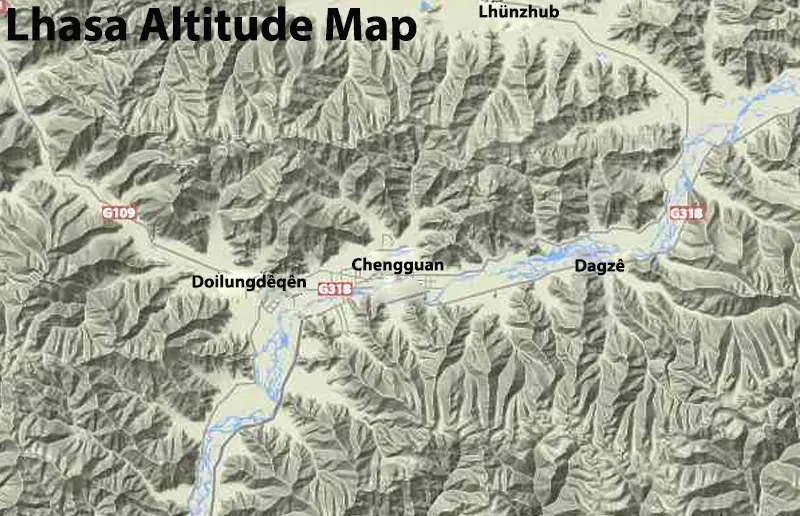 Lhasa Altitude Map
Exact Lhasa Altitude & Elevation Breakdown
Lhasa sits at an elevation of about 3,650 m (11,975 feet) above sea level. This high elevation is one of the first things travelers should consider when planning a Lhasa tour. The thin air can affect breathing, sleep, and energy levels, especially during the first few days.
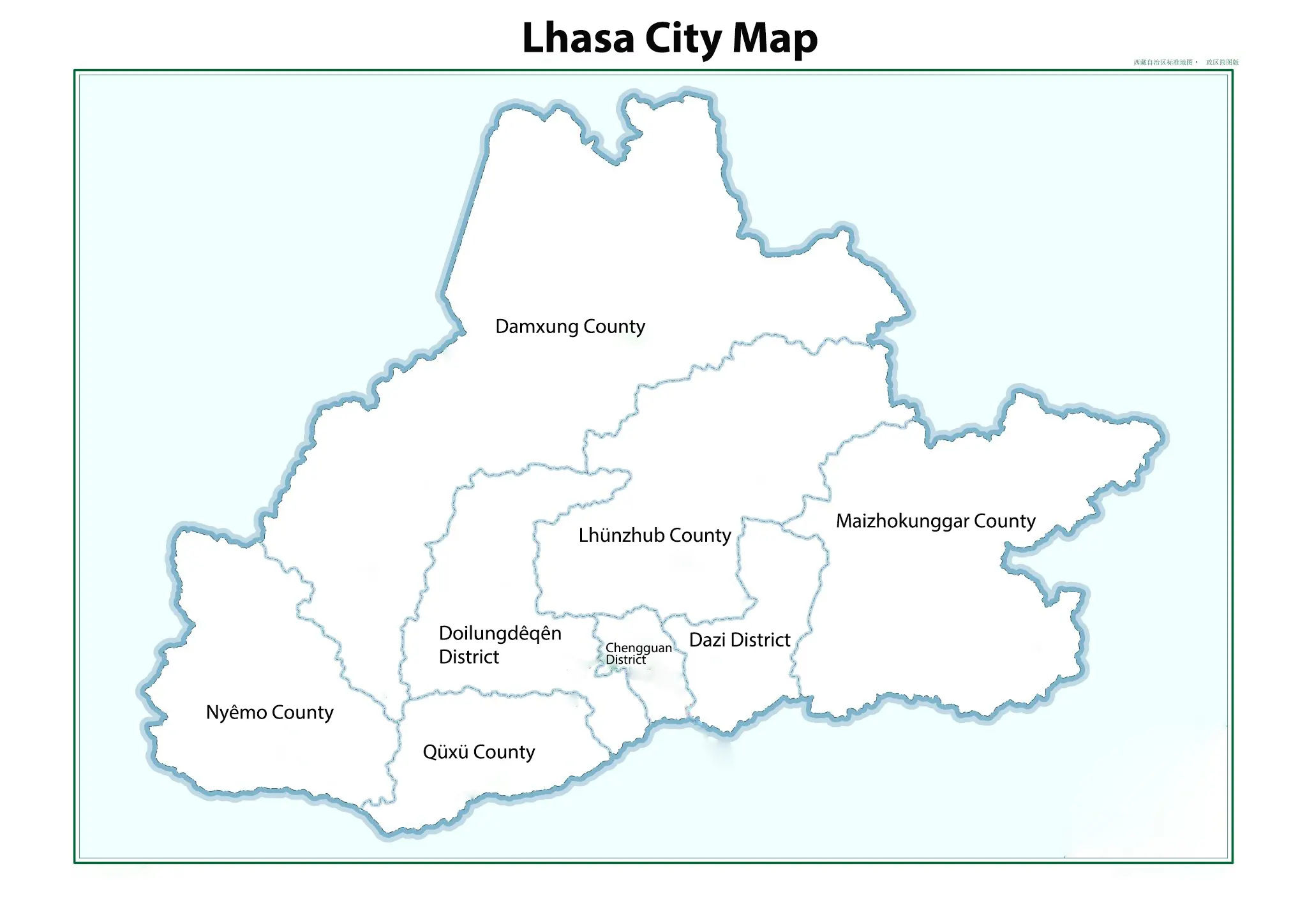
Altitude & Elevation of Lhasa’s Districts and Counties
Lhasa’s districts and counties sit at different elevations, so altitude can vary significantly across the region. The table below compares the exact altitude and elevation of Lhasa’s main districts and counties to help you understand the differences before traveling.
| District / County | Approx. Altitude | Region Type | Highlights |
|---|---|---|---|
| Chengguan District | 3,650–3,660 m (11,975 ft) |
Urban Valley | Potala Palace, Jokhang Temple, Barkhor Street, Sera Monastery, and Drepung Monastery |
| Doilungdêqên District | 3,650 m (11,975 ft) | Suburban Valley | Tsurphu Monastery, Lhasa Railway Station, and Western Cultural Scenic Area |
| Dagzê District | 3,770 m (12,369 ft) | Valley | Ganden Monastery and Drak Yerpa Hermitage |
| Qüxü County | 3,590 m (11,778 ft) | River Basin | Yarlung Tsangpo & Lhasa River Confluence and Mount Nyangbran |
| Maizhokunggar County | 3,800 m (12,467 ft) | Mountainous Valley | Drigung Til Monastery and Tidrum Hot Springs |
| Lhünzhub County | 4,100 m (13,451 ft) | High Mountain Plateau | Reting Monastery and Black-Necked Crane Nature Reserve |
| Damxung County | 4,200 m (13,779 ft) | High Alpine Grassland | Lake Namtso, Mount Nyenchen Tanglha, and Yangpachen Hot Springs |
| Nyêmo County | 3,800 m (12,467 ft) | Mountainous Basin | Ancient Incense & Paper Workshops and Tunmi Sambhota Memorial |
| District / County | Approx. Altitude | Region Type | Highlights |
|---|---|---|---|
| Chengguan District | 3,650–3,660 m (11,975 ft) |
Urban Valley | Potala Palace, Jokhang Temple, Barkhor Street, Sera Monastery, and Drepung Monastery |
| Doilungdêqên District | 3,650 m (11,975 ft) | Suburban Valley | Tsurphu Monastery, Lhasa Railway Station, and Western Cultural Scenic Area |
| Dagzê District | 3,770 m (12,369 ft) | Valley | Ganden Monastery and Drak Yerpa Hermitage |
| Qüxü County | 3,590 m (11,778 ft) | River Basin | Yarlung Tsangpo & Lhasa River Confluence and Mount Nyangbran |
| Maizhokunggar County | 3,800 m (12,467 ft) | Mountainous Valley | Drigung Til Monastery and Tidrum Hot Springs |
| Lhünzhub County | 4,100 m (13,451 ft) | High Mountain Plateau | Reting Monastery and Black-Necked Crane Nature Reserve |
| Damxung County | 4,200 m (13,779 ft) | High Alpine Grassland | Lake Namtso, Mount Nyenchen Tanglha, and Yangpachen Hot Springs |
| Nyêmo County | 3,800 m (12,467 ft) | Mountainous Basin | Ancient Incense & Paper Workshops and Tunmi Sambhota Memorial |
Note: Elevation can vary significantly within each district or county because of differences in terrain. These figures refer to the main urban or county-seat areas rather than the highest surrounding mountains.
Is Lhasa Considered High Altitude?
Yes. Lhasa is considered a high-altitude destination, and its elevation is high enough for visitors to experience altitude-related symptoms.
There is no single universal medical definition for altitude levels. A commonly used classification considers 1,500–3,500 m (4,900–11,500 ft) high altitude and 3,500–5,500 m (11,500–18,000 ft) very high altitude. Since Lhasa is around 3,650 m, it falls into the very high altitude range.
What to Expect at Lhasa’s High Altitude
Traveling to Lhasa means entering a high-altitude environment with lower air pressure and reduced oxygen levels. Understanding the effects of Lhasa elevation can help you prepare for the trip and acclimatize more comfortably.
1) Oxygen Levels and Air Pressure at 12,000 Feet
Lhasa sits at nearly 12,000 feet above sea level, where atmospheric pressure is much lower than at sea level. The air contains about the same percentage of oxygen, but each breath provides less oxygen because of the lower air pressure. Additionally, the thin atmosphere results in stronger solar UV radiation and lower humidity, leading to faster dehydration. As a result, the body needs time to adjust to the Lhasa altitude.
2) Common Symptoms of Altitude Sickness (AMS) in Lhasa
Acute Mountain Sickness (AMS) can affect travelers who arrive in Lhasa quickly from low elevations. Common symptoms include:
Headaches: A common symptom of acute mountain sickness.
Fatigue and Dizziness: Feeling easily exhausted or lightheaded during light walking.
Sleep Disturbances: Difficulty falling asleep, frequent waking, or vivid dreams caused by altered breathing
patterns.
Loss of Appetite & Mild Nausea: Reduced appetite or mild stomach discomfort.
Shortness of Breath: Accelerated breathing during simple physical activities, such as climbing stairs.
Symptoms often appear within 6–24 hours after reaching a high altitude and may be strongest during the first 24–48 hours. Mild symptoms usually improve as the body adjusts to the Lhasa elevation. If symptoms become severe or continue to worsen, stop ascending and seek medical attention.
3) How Long Does It Take to Acclimatize to Lhasa’s Altitude?
Many travelers spend 2–3 days in Lhasa to begin acclimatizing before visiting higher destinations. After spending a few days at around 3,650 m, many visitors can gradually adjust to the elevation. This acclimatization period is especially important before traveling to Everest Base Camp, Mount Kailash, or other destinations above 5,000 m.
Lhasa Altitude Acclimatization Guide: How to Stay Safe
Adjusting to the Lhasa altitude takes time, especially for travelers arriving from low elevations. The first few days are the most important for acclimatization. Knowing what to expect, preparing basic medical supplies, and recognizing warning signs can help you manage the Lhasa elevation safely.
1) The First 24 Hours in Lhasa: What to Expect
The first 24 hours are usually the most important part of adjusting to Lhasa’s altitude. Taking it easy during your first day reduces physical stress and accelerates acclimatization:
Rest Immediately: Go straight to your hotel upon arrival and avoid heavy walking, exertion, or excitement.
Avoid Showers and Baths: Skip showering or washing your hair on night one to prevent catching a cold or expanding
blood vessels, which can worsen headaches.
Stay Hydrated: Drink water regularly to stay hydrated, especially in Lhasa’s dry climate.
Eat Light Meals: Stick to high-carbohydrate, easily digestible foods, and refrain from overeating to lessen the
load on your digestive system.
2) Medication and Medical Preparation
Basic medical preparation is useful when traveling to Lhasa’s high altitude. Some travelers discuss medicines such as acetazolamide (Diamox) with a doctor before the trip. Do not take altitude medication without professional medical advice.
Pack your regular medicines and a basic first-aid kit. It is also helpful to carry enough personal medication for the entire Tibet trip. Lhasa has hospitals, clinics, and pharmacies, while medical services may be more limited in remote areas.
When to Seek Medical Help for Altitude Sickness?
Mild acute mountain sickness (AMS) symptoms can be common at the Lhasa elevation. However, severe or worsening symptoms require medical attention.
Seek medical help if you experience severe headache, repeated vomiting, difficulty walking, confusion, chest tightness, or serious breathing problems. Don’t continue ascending when symptoms are getting worse. For severe symptoms, descend to a lower altitude as soon as possible and seek professional medical care.
High-Altitude Sightseeing: Altitude Levels of Popular Lhasa Attractions
Most attractions in central Lhasa are close to the elevation of Lhasa, so sightseeing there usually involves only small changes in altitude. However, some popular itineraries for trips around Lhasa head to areas at higher altitudes. Knowing how each destination compares with Lhasa altitude can help you understand what to expect.
| Attraction | Approx. Altitude | Introduction |
|---|---|---|
| Potala Palace | 3,700 m | Stair climbing can feel tiring |
| Jokhang Temple | 3,650 m | Little altitude change; walking may feel tiring |
| Barkhor Street | 3,650 m | Relatively flat; easy to explore slowly |
| Norbulingka | 3,650 m | Similar to central Lhasa; easy to explore |
| Sera Monastery | 3,700 m | Slightly higher; walking may feel tiring |
| Drepung Monastery | 3,800 m | Higher than central Lhasa; take it slowly |
| Ganden Monastery | 3,800 m | Higher elevation; thin air is more noticeable |
| Drak Yerpa Monastery | 4,400 m | Much higher; light activity can feel harder |
| Namtso Lake | 4,718 m | Much thinner air; light activity can feel harder |
| Attraction | Approx. Altitude | Introduction |
|---|---|---|
| Potala Palace | 3,700 m | Stair climbing can feel tiring |
| Jokhang Temple | 3,650 m | Little altitude change; walking may feel tiring |
| Barkhor Street | 3,650 m | Relatively flat; easy to explore slowly |
| Norbulingka | 3,650 m | Similar to central Lhasa; easy to explore |
| Sera Monastery | 3,700 m | Slightly higher; walking may feel tiring |
| Drepung Monastery | 3,800 m | Higher than central Lhasa; take it slowly |
| Ganden Monastery | 3,800 m | Higher elevation; thin air is more noticeable |
| Drak Yerpa Monastery | 4,400 m | Much higher; light activity can feel harder |
| Namtso Lake | 4,718 m | Much thinner air; light activity can feel harder |
Overall, the Lhasa elevation is relatively moderate compared with these destinations. Central Lhasa attractions have little altitude variation, while trips to Yamdrok Lake, Lake Namtso, and Ganden Monastery reach higher elevations where the thin air is more noticeable. Recommended routes are as follows:
>>4-Day Lhasa Small Group Tour
>>5-Day Lhasa Namtso Lake Small Group Tour
>>5-Day Lhasa Ganden Monastery Drak Yerpa Small Group Tour
How Does Lhasa’s Altitude Compare to Other Major Cities?
Lhasa is much higher than major gateway cities in the Chinese Mainland and Kathmandu but significantly lower than the extreme elevations of western Tibet. Comparing Lhasa’s elevation to other domestic and international cities helps travelers gauge their acclimatization needs.
1) Altitude Comparison of Major Tibet Destinations
| Destination | Approx. Altitude |
|---|---|
| Nyingchi | 3,000 m |
| Shigatse | 3,860 m |
| Yamdrok Lake | 4,441 m |
| Namtso Lake | 4,718 m |
| Everest Base Camp | 5,200 m |
| Gyantse | 3,977 m |
| Tingri | 4,300 m |
| Saga | 4,640 m |
| Darchen | 4,670 m |
| Mount Kailash | above 5,000 m |
| Lake Mansarovar | 4,590 m |
| Guge Kingdom | 3,889 m |
| Gyirong | 2,774 m |
| Destination | Approx. Altitude |
|---|---|
| Nyingchi | 3,000 m |
| Shigatse | 3,860 m |
| Yamdrok Lake | 4,441 m |
| Namtso Lake | 4,718 m |
| Everest Base Camp | 5,200 m |
| Gyantse | 3,977 m |
| Tingri | 4,300 m |
| Saga | 4,640 m |
| Darchen | 4,670 m |
| Mount Kailash | above 5,000 m |
| Lake Mansarovar | 4,590 m |
| Guge Kingdom | 3,889 m |
| Gyirong | 2,774 m |
2) Lhasa's Altitude Compared with Popular Gateway Cities
| Gateway City | Approx. Altitude |
|---|---|
| Shanghai | 4 m |
| Beijing | 44 m |
| Chengdu | 500 m |
| Xining | 2,275 m |
| Kathmandu | 1,400 m |
| Gateway City | Approx. Altitude |
|---|---|
| Shanghai | 4 m |
| Beijing | 44 m |
| Chengdu | 500 m |
| Xining | 2,275 m |
| Kathmandu | 1,400 m |
3) Comparison of Lhasa with Other High-Altitude Cities
| City | Approx. Altitude |
|---|---|
| La Paz, Bolivia | 3,640 m |
| Cusco, Peru | 3,399 m |
| Quito, Ecuador | 2,850 m |
| City | Approx. Altitude |
|---|---|
| La Paz, Bolivia | 3,640 m |
| Cusco, Peru | 3,399 m |
| Quito, Ecuador | 2,850 m |
FAQs about Lhasa Elevation
1) How much oxygen is there at Lhasa's altitude?
At about 3,650 m, atmospheric pressure is significantly lower than at sea level, so each breath delivers less
oxygen to the body. This makes the Lhasa altitude noticeably different for first-time visitors.
2) Is Lhasa's altitude difficult for first-time visitors?
The Lhasa elevation can feel challenging at first, but most healthy travelers can adjust to the altitude with
proper planning. Mild altitude sickness symptoms, such as headache, fatigue, dizziness, or shortness of breath,
may occur during the first 24–48 hours. These symptoms often improve as the body adjusts to the high altitude.
3) Can elderly travelers safely visit Lhasa at 3,650 m?
Many older travelers can visit Lhasa at 3,650 m, but they should consider age and overall health. It is best to
get medical advice before traveling, especially if you have heart or lung conditions. A slower pace and access
to supplemental oxygen can provide additional support at high altitude.
4) Is taking a train to Lhasa better for altitude acclimatization than flying?
Taking the train to Lhasa offers a longer transition to Tibet, but it does not guarantee better physiological
acclimatization. The journey can still provide a more gradual travel experience than flying directly to Lhasa.
5) Do hotels in Lhasa provide oxygen?
Many higher-end hotels in Lhasa provide oxygen concentrators or bottled oxygen, but facilities vary by hotel.
Some accommodations may offer oxygen in rooms or common areas, while others provide it on request. It is best to
confirm oxygen availability before booking your hotel in Lhasa.
.webp "Lhasa Tour") Jokhang Temple in Lhasa
Jokhang Temple in LhasaConclusion
Understanding the Lhasa elevation, changes in altitude, and the effects of thin air can help you plan a safer and more comfortable Lhasa trip. Spend enough time in Lhasa to adjust before heading to higher destinations such as Everest Base Camp or Mount Kailash.
10 years exp.| 5.0
 | Reviews
Tell me about your travel plan or contact me via inquiry@tibettourism.com
Related Tibet Travel Guide and Advice


Most Popular Tibet Tour Packages
-
![Lhasa Everest Base Camp Kathmandu Overland Small Group Tour]() Small Group Tour
Small Group Tour7 Days Lhasa Everest Base Camp Kathmandu Overland Small Group Tour
Promo: Classic overland travel route from Lhasa to Kathmandu via Gyirong / Nyalam
Dates & Price
![rili]()
![xiala]()
-
![Lhasa Shigatse Mount Everest Small Group Tour]() Small Group Tour
Small Group Tour8 Days Lhasa Shigatse Mount Everest Small Group Tour
Promo: Once-in-a-lifetime chance to face the tallest mountain in the world
Dates & Price
![rili]()
![xiala]()
-
![Lhasa Shigatse and Namtso Lake Small Group Tour]() Shared Group Tour
Shared Group Tour8 Days Lhasa Shigatse and Namtso Lake Small Group Tour
Promo: Central Tibetan Buddhism cultural tour and the sacred Namtso
Dates & Price
![rili]()
![xiala]()


.webp)


Please share your contact information, so we can send you the answer directly by email.

