
 inquiry@tibettourism.com


.webp)


Everest Base Camp Temperature in January


.webp) Content
ContentVisiting Everest Base Camp in January means experiencing the harshest winter conditions of the Himalayas. It is the coldest month of the year, with temperatures dropping below freezing both day and night. The air is dry and the winds are biting, while the thin atmosphere adds to the challenges of the high-altitude environment.
Despite the harsh weather, January offers some of the year’s clearest mountain vistas and a truly pure trekking experience. With few other travelers on the trail, it is an ideal destination for adventure seekers, photographers, and winter enthusiasts. This guide will help you understand local conditions, prepare thoroughly, and decide whether a winter trip to Everest Base Camp is right for you.
Everest Base Camp Temperature in January Overview
January is the peak of winter at Everest Base Camp, with temperatures remaining below freezing throughout the day. The combination of high altitude, thin air, and the powerful monsoon winds of the Himalayas makes this the coldest time of year, creating a trekking environment that is as harsh as it is visually spectacular.
Daytime Temperatures at Everest Base Camp
In January, daytime temperatures at Mount Everest Base Camp typically range from -10°C to -20°C, depending on sunlight and wind conditions. Although the sun can provide brief moments of warmth, the extreme altitude ensures that the overall environment remains bitterly cold.
A key factor is the temperature difference between areas exposed to the sun and those in the shade. While direct sunlight can make conditions feel somewhat more comfortable, temperatures drop and the cold feels much more intense the moment one steps into the shade or clouds obscure the sun.
Another critical factor is the wind chill effect. At this altitude, even moderate winds can significantly lower the perceived temperature, making an actual reading of -10°C feel like -20°C or lower. This occurs because the wind strips away the thin layer of warm air surrounding the body, accelerating heat loss; consequently, wearing windproof clothing is essential.
Nighttime Temperatures at Everest Base Camp
On January nights, temperatures at Everest Base Camp drop dramatically and often reach -25°C to -30°C or lower, making it an extreme cold-weather challenge for trekkers. The combination of high altitude (over 5,000 meters), clear skies, and dry air causes rapid heat loss after sunset, leading to a sharp drop in temperature within just a few hours.
Unlike daytime conditions, there is no sunlight to provide warmth, and the dry air makes the cold feel even more biting. Even inside a tent or a basic teahouse, temperatures can hover near or below freezing, especially on windy nights. This is why high-quality insulated sleeping bags and proper layering are absolutely essential for anyone staying overnight in the Everest region during January.
Weather Conditions at Everest Base Camp in January
January is one of the coldest months of winter at Everest Base Camp. The region has a generally stable climate with a long dry season and little cloud cover, typical characteristics of winter in the Himalayas. Unlike other seasons, January receives very little rainfall, and the ground is often covered in snow and ice, creating a magnificent winter landscape around Everest.
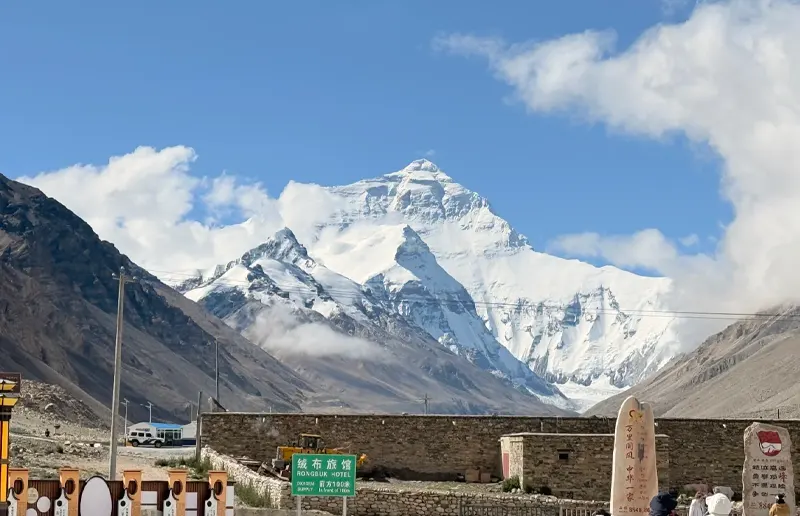
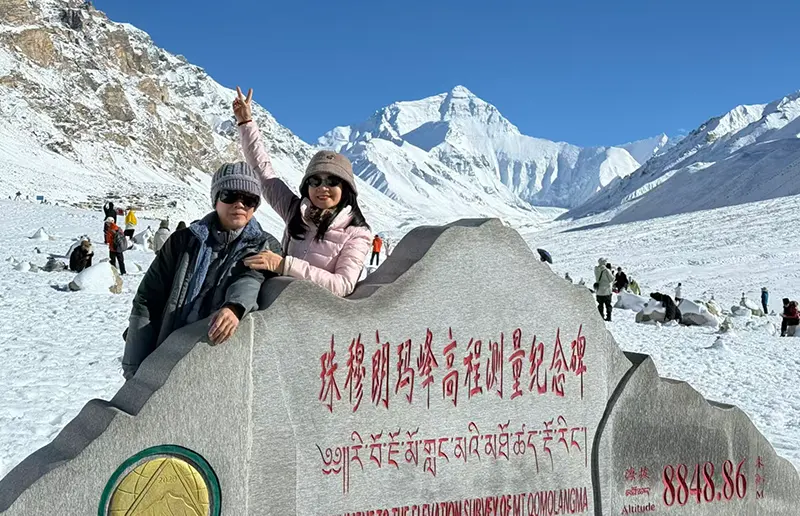 Mount Everest is usually covered in snow in January
Despite the harsh weather, the stable winter climate also means fewer sudden changes in weather compared to other times of the year. This makes January a unique period to experience the Everest region, with a calm and remote atmosphere that is rarely found during the busier trekking seasons. Travelers can expect cold but relatively predictable conditions, and being prepared for low temperatures, strong winds, and high altitudes is crucial.
Is January a Good Time to Visit Everest Base Camp?
Visiting Everest Base Camp in January is a polarizing choice; it offers breathtaking scenery, but entails the most challenging trekking conditions of the year. Whether this qualifies as a "good time" depends largely on your travel experience, tolerance for extreme cold, and overall expectations.
Advantages of January Everest Base Camp Trip
One major advantage of visiting Everest Base Camp in January is the exceptional visibility. The dry winter air and clear blue skies often reveal breathtaking views of Mount Everest and the surrounding Himalayan peaks. The snow-capped scenery, dramatic interplay of light and shadow, and pristine natural landscapes also create ideal conditions for winter photography.
Another benefit is the opportunity to enjoy a peaceful trekking experience away from the crowds. Compared to the bustling spring and autumn seasons, visitor numbers drop significantly in January, allowing travelers to quietly appreciate the serene beauty of the Himalayas and forge a deeper connection with the mountains. For those seeking solitude and a unique winter adventure, the quiet trails and tranquil atmosphere hold immense appeal.
Challenges of January Everest Base Camp Trip
Travelers planning a trip to Everest Base Camp should carefully consider the challenges associated with visiting in January before setting out. The primary challenge is the extreme cold: daytime temperatures remain well below freezing, while nighttime temperatures often drop below -25°C. Compounded by strong winds, the wind-chill factor makes the temperature feel significantly colder than the actual reading. Thus, appropriate winter gear, such as insulating layers, windproof outer shells, and high-quality cold-weather accessories, is essential to maintain body heat.
Another challenge is the increased physical demand of winter trekking. Low temperatures and high altitude can make acclimatization more difficult, leading to heightened fatigue and more pronounced symptoms of altitude sickness. Additionally, snow-covered and icy trails can be slippery, requiring extra caution while hiking. Therefore, a carefully designed itinerary and the assistance of an experienced travel agency will help ensure a smoother and safer winter journey.
Packing List for Everest Base Camp in January
Properly packing your gear is a crucial step in preparing for a January trip to Everest Base Camp. Given the freezing temperatures, strong winds, and high-altitude environment, travelers need to bring reliable winter gear to ensure warmth, protection, and comfort throughout the journey.
Essential Clothing for Everest Base Camp in January
Adopting a sensible layering system is key to staying comfortable in the winter environment of Everest Base Camp. Because temperatures can shift rapidly between sunny spots and areas exposed to strong winds, layering allows travelers to flexibly adjust their clothing based on weather conditions and activity levels.
Essential items include: thermal base layers to retain body heat; a fleece or insulating mid-layer for added warmth; and a high-quality down jacket to withstand the extreme cold near the base camp. Windproof and waterproof outer layers are also crucial for protection against strong winds and sudden weather changes. Additionally, warm hiking trousers and thick thermal socks should be packed to ensure comfort for the lower body during extended outdoor activities.
Winter Accessories for an Everest Base Camp Trek
Small accessories play an important role in protecting exposed areas from freezing temperatures and harsh sunlight. Warm gloves, a thermal hat, and a scarf can help prevent heat loss from the hands, head, and neck, while a balaclava is useful during windy conditions.
Although January is cold, the sunlight at high altitude is extremely strong, especially when reflected by snow. Therefore, travelers should bring UV-protection sunglasses and high-SPF sunscreen to protect their eyes and skin. Lip balm and moisturizer are also recommended, as the dry Himalayan air can quickly cause cracked lips and dry skin.
Trekking Gear and Sleeping Equipment for Everest Base Camp in Winter
Snow and ice can make sections of the Everest Base Camp route slippery in January, so choosing the right trekking equipment is important. Waterproof insulated trekking boots with good grip are highly recommended, along with trekking poles to provide extra stability on uneven or icy trails. Depending on the actual trail conditions, microspikes or other traction devices may also be useful.
A warm sleeping system is equally important, especially for travelers staying overnight near Everest Base Camp. A sleeping bag rated for temperatures around -20°C or lower is strongly recommended, as nighttime temperatures can drop dramatically. Other useful items include a headlamp, reusable water bottle or thermos, personal medication, and basic first-aid supplies.
Conclusion
A trip to Everest Base Camp in January offers a unique winter adventure, allowing travelers to enjoy breathtaking mountain scenery, clear skies, and a tranquil atmosphere away from the crowds. While the extreme cold, high altitude, and rugged trekking routes require careful preparation, the rewards will be unforgettable for travelers seeking a more serene Himalayan experience.
For those planning an Everest Base Camp trip in January, proper equipment, gradual acclimatization training, and reliable travel arrangements are essential. With the help of experienced Tibetan travel agencies like Tibetan Horizon, international travelers can better navigate the challenges of high-altitude winter travel and fully appreciate Everest's beauty during its purest season.
5 years exp.| 5.0
 | Reviews
Tell me about your travel plan or contact me via inquiry@tibettourism.com
Tibet Everest Travel Guide and Advice
Most Popular Tibet Everest Tour Packages
-
![8 Days Lhasa Yamdrok Mount Everest Base Camp Join-in Group Tour]() Real Join-in Group Tour
Real Join-in Group Tour8 Days Lhasa Yamdrok Mount Everest Base Camp Join-in Group Tour
Promo: Comprehensive Trip to Discover Tibet’s Magic
Dates & Price (More Traveler, Lower Price)
![rili]()
![xiala]()
-
![9 Days Lhasa Mount Everest Base Camp Namtso Join-in Group Tour]() Real Join-in Group Tour
Real Join-in Group Tour9 Days Lhasa Mount Everest Base Camp Namtso Join-in Group Tour
Promo: Classic trails to discover natural and cultural splendors of Tibet
Dates & Price (More Traveler, Lower Price)
![rili]()
![xiala]()


Please share your contact information, so we can send you the answer directly by email.

